


Table of Contents
- What Is an SSL Certificate?
- How SSL Certificates Secure Your Website
- Boosting SEO and Website Performance with SSL
- Building Trust and Credibility with Visitors
- Choosing the Right SSL Certificate for Your Business
- Conclusion
1. What Is an SSL Certificate?
An SSL (Secure Sockets Layer) certificate is a digital security measure that encrypts data between a user’s browser and a website’s server. It ensures that sensitive information, such as login credentials, credit card details, and personal data, is transmitted securely. Websites with SSL display a padlock icon in the address bar and use “HTTPS” instead of “HTTP,” indicating a secure connection.
SSL certificates use encryption protocols to prevent unauthorized access and data breaches. They are issued by trusted Certificate Authorities (CAs) and validate the authenticity of a website. Without an SSL certificate, websites are vulnerable to cyber threats such as man-in-the-middle attacks, data interception, and phishing scams.
2. How SSL Certificates Secure Your Website
SSL certificates function by encrypting data exchanged between users and web servers. Encryption converts plaintext data into unreadable code, making it nearly impossible for hackers to steal or manipulate information.
Additionally, SSL provides authentication, ensuring that users interact with the intended website rather than a fraudulent one. This is especially important for e-commerce, banking, and any platform handling sensitive transactions.
Key security benefits of SSL certificates include:
- Data Encryption: Protects user information from cyber threats.
- Authentication: Verifies the legitimacy of a website.
- Protection Against Phishing: Helps prevent attackers from creating fake versions of your website.
- Compliance with Security Standards: Meets industry regulations such as PCI DSS for online payments.
3. Boosting SEO and Website Performance with SSL
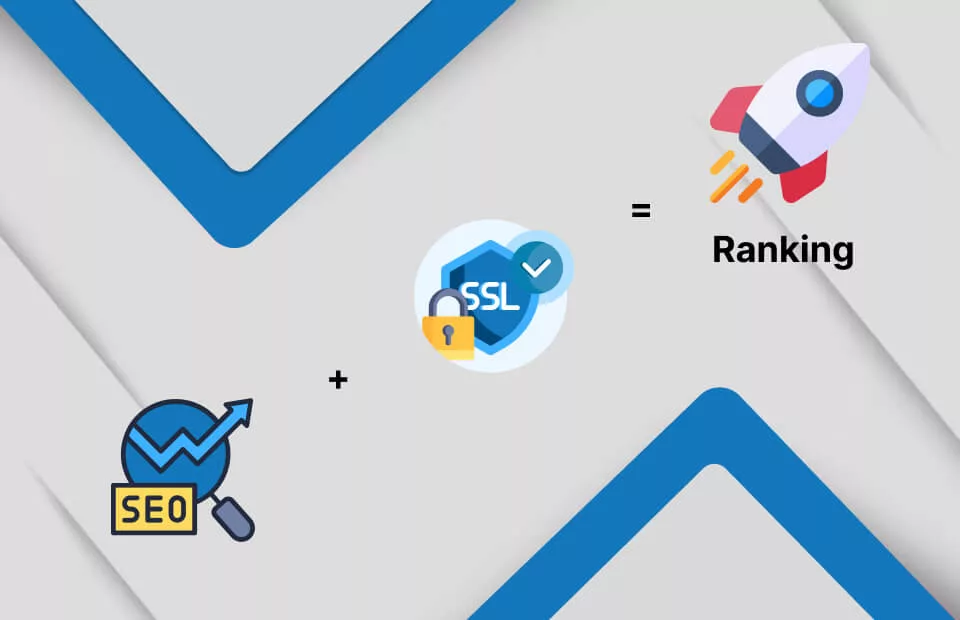
Google prioritizes secure websites in search rankings, making SSL certificates a key factor in SEO. Websites with HTTPS receive ranking benefits, improving their visibility in search engine results.
Beyond rankings, SSL also enhances website performance through advanced protocols like HTTP/2, which reduces loading times and improves user experience. Faster, more secure websites retain visitors longer, reducing bounce rates and increasing conversions.
Without an SSL certificate, browsers display warnings such as “Not Secure,” discouraging visitors and impacting trust. Implementing SSL not only strengthens security but also contributes to search engine optimization and better overall site performance.
4. Building Trust and Credibility with Visitors
A secure website reassures visitors that their data is protected, increasing user confidence. Many users hesitate to enter personal details on sites without SSL, fearing data breaches or identity theft.
Businesses that invest in SSL gain credibility and demonstrate commitment to cybersecurity. Websites with SSL certificates display trust indicators such as:
- Padlock Icon: Signals a secure connection.
- HTTPS Prefix: Confirms encrypted communication.
- Trust Seals: Many SSL providers offer visual security badges.
For online businesses, SSL certificates are non-negotiable. They enhance reputation, encourage transactions, and reduce the risk of abandoned carts due to security concerns.

5. Choosing the Right SSL Certificate for Your Business
There are different types of SSL certificates based on validation levels and domain coverage:
- Domain Validation (DV) SSL: Basic encryption and domain verification, suitable for blogs and personal websites.
- Organization Validation (OV) SSL: Includes business verification, ideal for small to medium businesses.
- Extended Validation (EV) SSL: Provides the highest level of security and displays the business name in the browser bar, perfect for enterprises and e-commerce.
- Wildcard SSL: Secures a domain and all its subdomains.
- Multi-Domain SSL: Covers multiple domains under a single certificate.
Selecting the right SSL depends on your website’s needs, business type, and security requirements. Investing in the appropriate SSL ensures optimal protection and credibility.
6. Conclusion
SSL certificates are essential for website security, user trust, and search engine ranking. They encrypt data, prevent cyber threats, and establish credibility. Whether you run a blog, an online store, or a corporate website, having SSL is a necessity in today’s digital landscape.
Implementing SSL not only protects sensitive information but also improves SEO, boosts performance, and enhances user confidence. To secure your website and build trust with visitors, investing in an SSL certificate is a critical step.






Comments 0
Sign in to join the conversation.
No comments yet. Be the first to say something.