


Table of Contents
- Introduction to Edge Computing
- How Edge Computing Differs from Traditional Hosting
- Key Benefits of Edge Computing in Web Hosting
- Security Enhancements with Edge Computing
- The Future of Hosting with Edge Computing
1. Introduction to Edge Computing
Edge computing is an advanced IT architecture that brings data processing closer to the end user by utilizing distributed nodes instead of centralized servers. Traditional web hosting relies on large, remote data centers, but edge computing distributes processing power across multiple geographically dispersed locations.
- How It Works: Instead of sending all data to a centralized cloud, edge computing processes information locally before relaying it to the cloud.
- Use Cases: Edge computing is widely used in CDNs (Content Delivery Networks), IoT (Internet of Things), and video streaming services to enhance performance.
By reducing network congestion and improving response times, edge computing is redefining the future of web hosting.

2. How Edge Computing Differs from Traditional Hosting
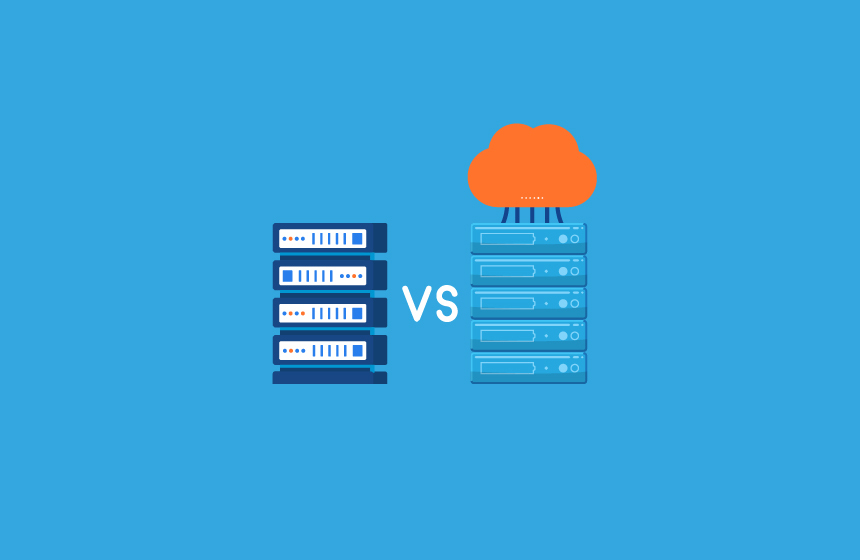
Edge computing offers a fundamentally different approach to data processing and website hosting compared to traditional cloud-based solutions.
| Feature | Traditional Hosting | Edge Computing |
|---|---|---|
| Data Processing Location | Centralized Data Centers | Distributed Edge Nodes |
| Latency | Higher due to distance | Lower due to proximity |
| Bandwidth Usage | Higher due to constant cloud interaction | Lower as data is processed locally |
| Security Risks | Centralized attack surface | Distributed, reducing single points of failure |
| Scalability | Limited by server location | High due to decentralized infrastructure |
By decentralizing workloads, edge hosting improves performance, enhances security, and reduces operational costs.
3. Key Benefits of Edge Computing in Web Hosting
Edge computing introduces numerous advantages to web hosting, making it a game-changer for businesses.
1. Faster Load Times
- Reduced Latency: Data is processed closer to the user, reducing delays.
- Efficient Caching: Frequently accessed content is stored locally for instant retrieval.
2. Scalability for High Traffic Websites
- Edge hosting dynamically distributes workloads, ensuring smooth performance during traffic surges.
- Popular platforms like Netflix, Cloudflare, and AWS CloudFront leverage edge computing for scalability.
3. Reduced Bandwidth Costs
- Less reliance on central data centers reduces data transfer expenses.
- Edge nodes optimize data transmission, minimizing unnecessary network congestion.
4. Improved Reliability
- Decentralized infrastructure ensures websites remain accessible even if one node fails.
- Automatic rerouting capabilities help maintain uptime and business continuity.
By leveraging these benefits, businesses can deliver superior web experiences with minimal latency.

4. Security Enhancements with Edge Computing
Security is a top priority in hosting, and edge computing introduces multiple security improvements compared to traditional cloud hosting.
- DDoS Mitigation: Edge nodes filter and block malicious traffic before it reaches the main server.
- Enhanced Encryption: AI-driven security measures encrypt data at the edge, ensuring safe transactions.
- Reduced Attack Surface: By decentralizing data storage and processing, hackers have fewer vulnerabilities to exploit.
- Real-Time Threat Detection: AI-powered security monitors suspicious activity instantly, preventing breaches.
Edge computing fortifies web hosting infrastructure, providing businesses with resilient and secure hosting solutions.

5. The Future of Hosting with Edge Computing
Edge computing is set to revolutionize web hosting, cloud services, and digital experiences in the coming years.
- 5G and Edge Hosting Integration: As 5G networks expand, edge hosting will become even faster and more efficient.
- AI-Powered Edge Hosting: AI-driven automation will enhance server optimization and cybersecurity.
- Serverless Hosting Models: Businesses will adopt serverless edge computing to further reduce costs and infrastructure dependencies.
- Increased Adoption by Enterprises: More companies will shift towards edge hosting for better performance and security.
As technology advances, edge computing will become the gold standard for high-speed, low-latency web hosting.






Comments 0
Sign in to join the conversation.
No comments yet. Be the first to say something.