


Table of Contents
- Introduction
- What Makes an Appliance Eco-Friendly?
- The Benefits of Eco-Friendly Appliances
- Emerging Trends in Sustainable Home Tech
- Challenges and Limitations of Green Appliances
- Are Eco-Friendly Appliances the Future?
- Conclusion
1. Introduction
Eco-friendly appliances are rapidly gaining popularity as homeowners seek ways to reduce energy consumption, cut costs, and adopt more sustainable lifestyles. With advancements in technology, modern appliances are designed to use less electricity, water, and raw materials without compromising performance.
As climate concerns grow and governments push for energy-efficient solutions, the home appliance industry is evolving to meet new demands. But are these appliances truly the future of home technology, or are they just a passing trend?
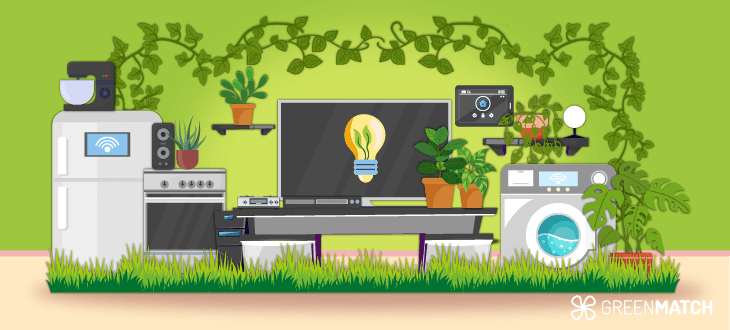
2. What Makes an Appliance Eco-Friendly?
An appliance is considered eco-friendly when it is designed to minimize environmental impact throughout its lifecycle, from production to disposal. Key factors that define green appliances include:
- Energy Efficiency: Uses less electricity or gas, reducing greenhouse gas emissions.
- Water Conservation: Appliances like dishwashers and washing machines use advanced technology to reduce water wastage.
- Sustainable Materials: Many manufacturers are using recycled or biodegradable materials to reduce environmental impact.
- Smart Technology: AI-driven sensors and automation optimize energy use based on real-time demand.
- Eco-Friendly Refrigerants: Many modern refrigerators use low-global-warming-potential (GWP) refrigerants that reduce harm to the ozone layer.
By integrating these features, eco-friendly appliances significantly lower carbon footprints while enhancing convenience for homeowners.
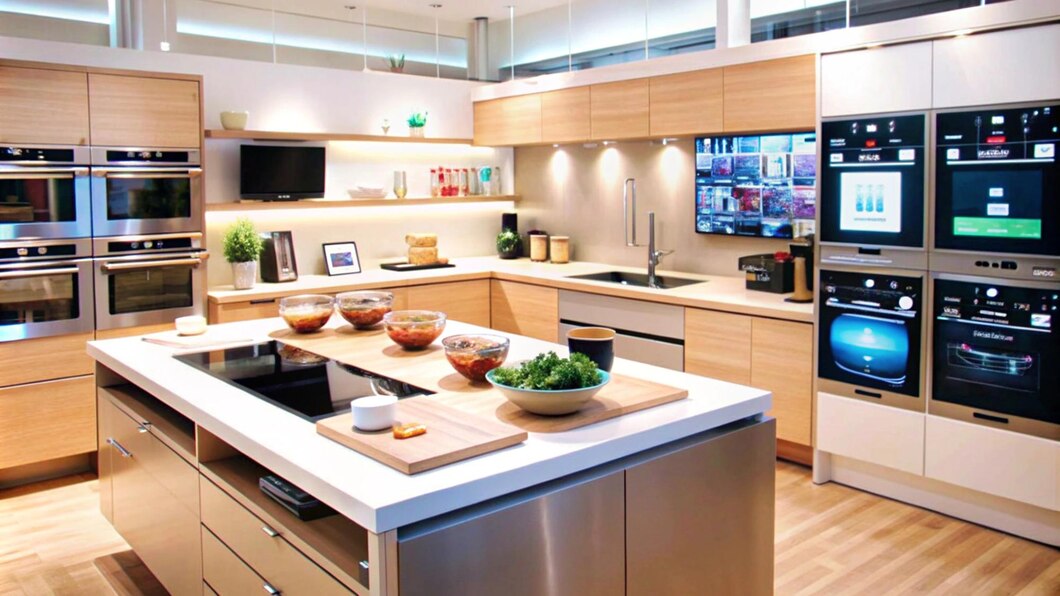
3. The Benefits of Eco-Friendly Appliances
Switching to energy-efficient and eco-friendly appliances provides numerous advantages, including:
- Lower Utility Bills: Reduced electricity and water usage leads to significant savings over time.
- Reduced Environmental Impact: Lower energy consumption means fewer carbon emissions and reduced reliance on fossil fuels.
- Longer Lifespan: Many eco-friendly appliances are built with durability in mind, reducing the frequency of replacements.
- Tax Incentives & Rebates: Many governments offer financial incentives for purchasing ENERGY STAR-certified or high-efficiency appliances.
- Healthier Living Environment: Appliances with better filtration systems (e.g., air purifiers, refrigerators with antimicrobial technology) improve indoor air quality and reduce harmful emissions.
These benefits make green appliances a smart investment for both the planet and homeowners looking to cut long-term costs.
4. Emerging Trends in Sustainable Home Tech
The home appliance industry is continuously innovating to create more eco-friendly solutions. Some of the most promising trends include:
- Smart Home Integration: AI-powered appliances can learn user habits and adjust energy consumption accordingly.
- Solar-Powered Appliances: Refrigerators, air conditioners, and even washing machines are now being designed to run on solar energy.
- Heat Pump Technology: Found in dryers, water heaters, and HVAC systems, heat pumps use significantly less energy than traditional heating methods.
- Water Recycling Systems: Some high-end washing machines and dishwashers now feature built-in water recycling to minimize waste.
- Biodegradable & Recyclable Components: Manufacturers are prioritizing sustainable materials to reduce waste.
These advancements indicate a shift toward a more sustainable and energy-efficient future in home technology.

5. Challenges and Limitations of Green Appliances
Despite their benefits, eco-friendly appliances still face several challenges, including:
- Higher Upfront Costs: Energy-efficient models often come with a premium price tag, which can deter budget-conscious buyers.
- Limited Availability: Some eco-friendly options, like solar-powered appliances, are not yet widely available in all markets.
- Complex Maintenance: Advanced technology requires specialized maintenance, which can be costly.
- Consumer Awareness: Many homeowners are still unaware of the long-term savings and benefits of sustainable appliances.
While these challenges exist, increasing demand and technological advancements are gradually addressing these barriers, making green appliances more accessible and affordable.

6. Are Eco-Friendly Appliances the Future?
Given the push for sustainable living, the growing adoption of eco-friendly appliances indicates they are more than just a trend. Key factors driving their future include:
- Government Regulations: Stricter energy efficiency laws and bans on harmful refrigerants will accelerate the adoption of green appliances.
- Rising Energy Costs: As utility bills increase, more consumers will seek energy-efficient alternatives to save money.
- Technological Breakthroughs: Continued advancements in AI, solar energy, and smart home integration will further enhance efficiency.
- Consumer Demand: A shift toward sustainability-conscious purchasing habits will encourage manufacturers to invest more in eco-friendly technology.
While traditional appliances will still be available, the shift toward sustainable living makes eco-friendly appliances an essential part of the future of home tech.
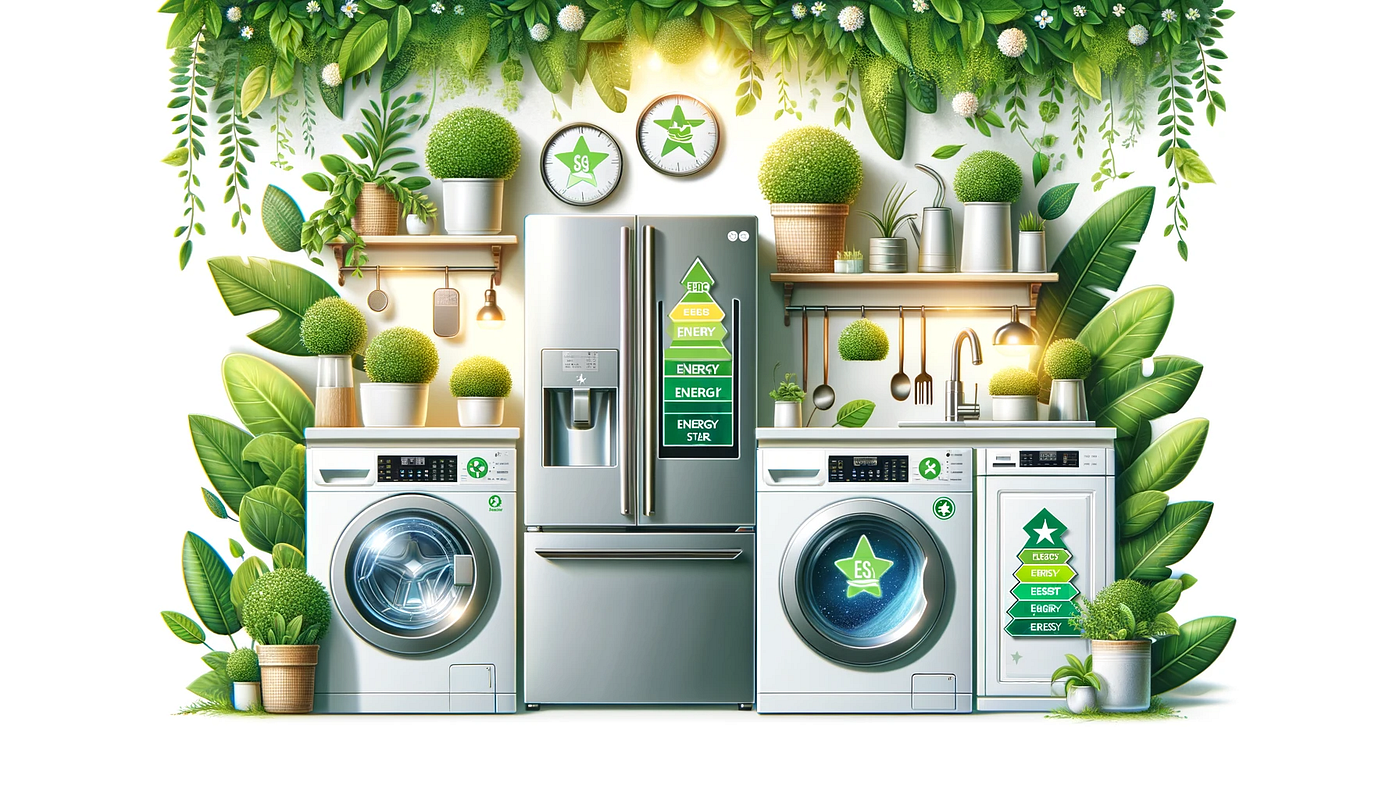
7. Conclusion
Eco-friendly appliances are no longer a niche market—they are rapidly becoming the standard in modern home technology. With numerous benefits, from cost savings to reduced environmental impact, they offer a smart, sustainable alternative to traditional appliances.
Although challenges like high initial costs and limited availability exist, continuous technological improvements and government incentives are making these appliances more accessible. As energy efficiency becomes a priority for households worldwide, eco-friendly appliances are well-positioned to dominate the future of home tech.
Investing in these innovations today not only saves money but also helps create a greener, more sustainable world for future generations.

Comments 0
Sign in to join the conversation.
No comments yet. Be the first to say something.