

Table of Contents
- Introduction
- How Energy-Efficient Appliances Work
- Financial Benefits: Lowering Utility Costs
- Environmental Impact: Reducing Your Carbon Footprint
- Choosing the Right Energy-Efficient Appliances
- Best Practices for Maximizing Efficiency
- Conclusion
1. Introduction
Energy-efficient appliances are designed to use less electricity, water, or gas while maintaining or improving performance. With rising energy costs and increasing awareness of climate change, making the switch to efficient appliances is a smart financial and environmental decision. From refrigerators and washing machines to HVAC systems and lighting, modern advancements in technology have made energy-saving appliances more accessible and cost-effective than ever.
By understanding how these appliances work, their benefits, and how to choose the best models for your home, you can make informed decisions that contribute to a more sustainable future while saving money.

2. How Energy-Efficient Appliances Work
Energy-efficient appliances reduce waste by optimizing power usage. They achieve this through several key mechanisms:
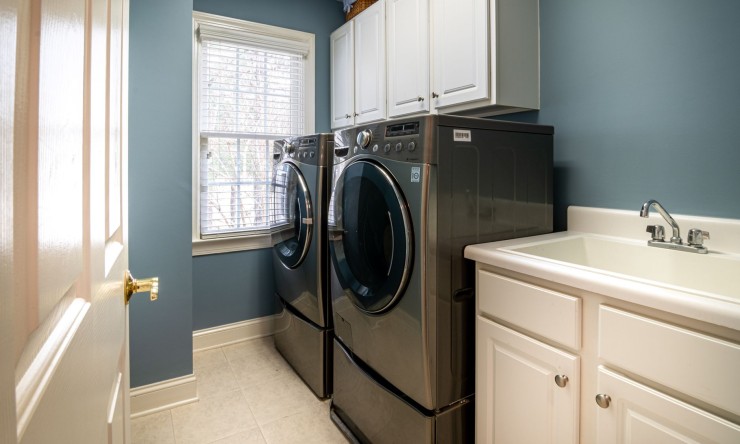
- Advanced Technology: Modern refrigerators use improved insulation and compressors that consume less electricity. Washing machines regulate water levels based on load size.
- Smart Sensors: Many appliances come with sensors that adjust energy consumption based on real-time needs. For example, dishwashers with soil sensors use only as much water and energy as necessary.
- Heat Pump Technology: Heat pump dryers and HVAC systems transfer heat instead of generating it, significantly reducing electricity usage.
- Inverter Motors: Found in washing machines and refrigerators, these motors adjust speed based on demand, reducing unnecessary energy consumption.
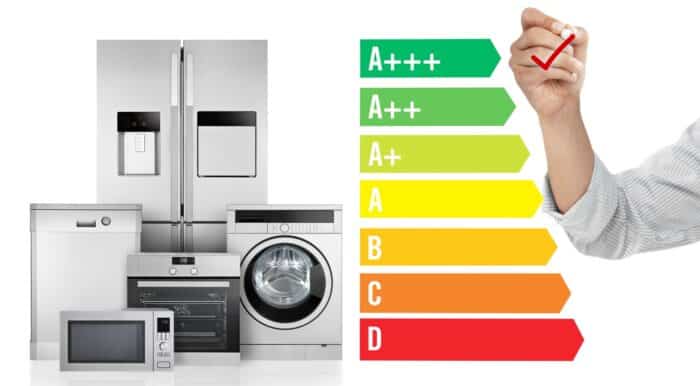
Investing in appliances with ENERGY STAR or similar energy efficiency certifications ensures maximum savings while maintaining optimal performance.
3. Financial Benefits: Lowering Utility Costs
One of the biggest advantages of energy-efficient appliances is cost savings. While these appliances often have a higher upfront cost, they significantly reduce monthly electricity and water bills.
- Refrigerators: Energy-efficient models consume up to 40% less electricity than older units, translating to annual savings of $100 or more.
- Washing Machines: High-efficiency models use up to 50% less water, reducing both water and electricity bills.
- HVAC Systems: Upgrading to an energy-efficient heating and cooling system can cut annual energy costs by 20-30%.
- LED Lighting: Switching from incandescent bulbs to LEDs reduces lighting costs by 75-80% and extends bulb lifespan.
Additionally, many governments and utility companies offer rebates or tax credits for purchasing energy-efficient appliances, further offsetting the initial investment.

4. Environmental Impact: Reducing Your Carbon Footprint
Energy-efficient appliances help reduce carbon emissions by consuming less power, which decreases reliance on fossil fuels. Here’s how:
- Lower Electricity Consumption: Since power plants burn fossil fuels to generate electricity, reducing electricity usage leads to lower greenhouse gas emissions.
- Water Conservation: High-efficiency washing machines and dishwashers reduce water waste, helping to conserve freshwater resources.
- Refrigerant Improvements: Modern refrigerators use eco-friendly refrigerants with lower global warming potential (GWP).
- Sustainable Manufacturing: Many energy-efficient appliances are made from recycled materials and are designed to be more easily recycled at the end of their lifespan.
By making eco-conscious choices, households can significantly reduce their carbon footprint while enjoying long-term savings.

5. Choosing the Right Energy-Efficient Appliances
When shopping for energy-efficient appliances, consider the following factors:
- ENERGY STAR Certification: Look for the ENERGY STAR label, which ensures compliance with government energy-saving standards.
- Energy Guide Labels: These labels provide estimated annual energy consumption and cost, helping you compare different models.
- Size and Capacity: Choose appliances that match your household’s needs—oversized units waste energy, while undersized ones may be overworked.
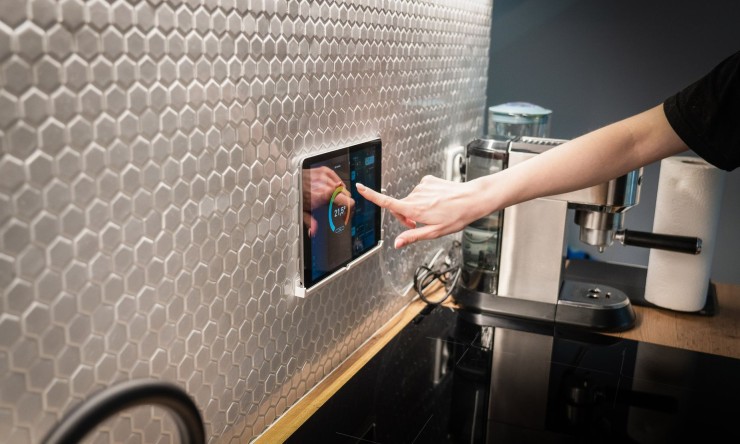
- Smart Features: Appliances with programmable settings and smart connectivity help optimize energy use based on daily routines.
- Long-Term Savings vs. Upfront Cost: While energy-efficient models may cost more initially, their reduced operating costs provide greater savings over time.
6. Best Practices for Maximizing Efficiency
Even after purchasing energy-efficient appliances, optimizing their usage further reduces energy waste. Follow these tips:
- Refrigerators & Freezers: Keep them full but not overcrowded to improve airflow. Regularly clean condenser coils for better efficiency.
- Washing Machines: Use cold water settings whenever possible and always wash full loads.
- Dishwashers: Skip pre-rinsing dishes and use the air-dry setting instead of heat drying.
- Ovens & Stoves: Use lids on pots to retain heat, and consider using smaller appliances like microwaves for cooking smaller meals.
- HVAC Systems: Change air filters regularly, use programmable thermostats, and seal windows and doors to prevent energy loss.
By incorporating these best practices, you can extend the lifespan of your appliances while reducing both costs and environmental impact.

7. Conclusion
Investing in energy-efficient appliances is one of the most effective ways to lower utility bills, reduce environmental impact, and enhance home comfort. While the upfront costs may be higher, the long-term benefits—ranging from financial savings to a reduced carbon footprint—make them a worthwhile investment.
By choosing ENERGY STAR-certified models, optimizing appliance usage, and taking advantage of rebates or incentives, homeowners can make a significant difference both financially and environmentally. Making small, conscious changes today leads to a more sustainable and cost-effective future.



Comments 0
Sign in to join the conversation.
No comments yet. Be the first to say something.