

Table of Contents
- Introduction
- Performance and Cooking Efficiency
- Cost and Energy Consumption
- Safety Considerations
- Maintenance and Durability
- Environmental Impact
- Conclusion
1. Introduction
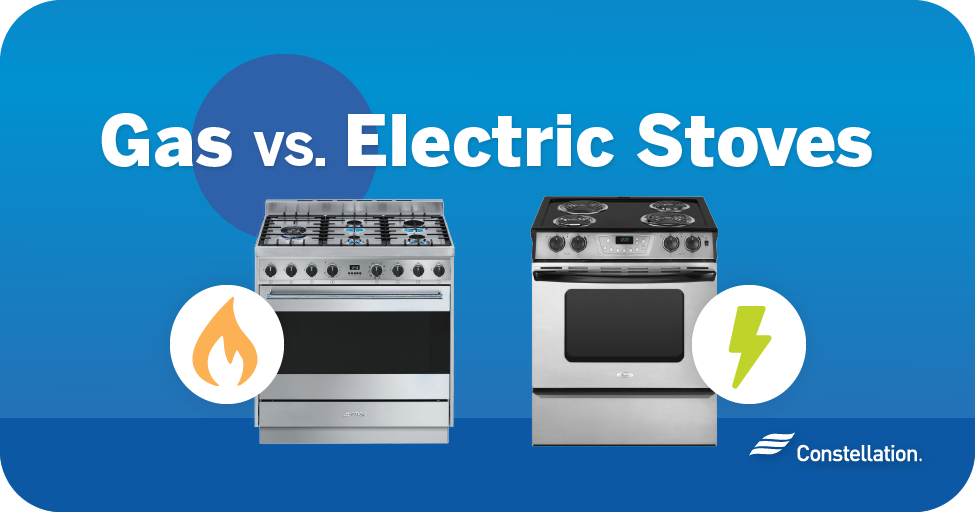
When choosing between a gas or electric stove, several factors come into play, including cooking performance, energy efficiency, safety, and long-term costs. Gas stoves have long been favored by professional chefs for their precise temperature control, while electric stoves offer sleek designs and consistent heating. Your choice ultimately depends on your cooking habits, budget, and household requirements. This article provides an in-depth comparison to help you make an informed decision.
2. Performance and Cooking Efficiency
Gas stoves are often preferred for their instant heat control, allowing users to adjust the flame immediately. This feature is crucial for tasks like sautéing and simmering, where precise temperature control is essential. The visible flame also provides a visual cue for adjusting heat levels.
Electric stoves, on the other hand, take longer to heat up and cool down. However, they offer consistent heat distribution, which can be beneficial for baking and slow-cooking. Induction cooktops, a modern electric alternative, heat up quickly and provide energy-efficient cooking, but they require compatible cookware.
For those who enjoy high-heat cooking techniques like searing and stir-frying, a gas stove is often the better choice. However, if you prefer even heating and minimal temperature fluctuation, an electric stove may be more suitable.

3. Cost and Energy Consumption
The initial cost of purchasing a gas stove is usually higher than an electric stove, but gas is often cheaper in terms of long-term energy costs. Households with existing gas connections can benefit from lower operational expenses.
Electric stoves typically cost less upfront but may lead to higher electricity bills, depending on local energy rates. Induction cooktops, while energy-efficient, tend to be more expensive initially. Additionally, gas stoves can function during power outages, whereas electric stoves rely entirely on electricity.
Your location and energy costs play a crucial role in determining which stove is more economical in the long run. If natural gas is readily available, a gas stove may be the more cost-effective choice. If electricity is more affordable in your area, an electric stove might be preferable.

4. Safety Considerations
Safety is a critical factor when selecting a stove. Gas stoves pose potential risks such as gas leaks, carbon monoxide exposure, and open flames, which can be hazardous in households with children. Proper ventilation is necessary to reduce these risks.
Electric stoves eliminate the risk of gas leaks and are generally safer in terms of fire hazards. However, traditional coil-based electric stoves retain heat longer after being turned off, posing a burn risk. Induction cooktops are the safest option, as they heat only the cookware, not the stove surface.
If safety is a top priority, especially for families with young children, an electric or induction stove may be the better choice. However, with proper precautions, gas stoves can be used safely as well.

5. Maintenance and Durability
Gas stoves require regular cleaning due to food spills and grease buildup around the burners. Burner maintenance is essential to prevent clogging, and gas lines should be inspected periodically for leaks.
Electric stoves, particularly smooth-top models, are easier to clean. However, the glass surface can scratch easily, requiring careful handling. Coil-based electric stoves are more durable but may require periodic coil replacement.
In terms of longevity, gas stoves generally last longer if properly maintained. Electric stoves, especially glass-top models, may need replacement sooner due to wear and tear.

6. Environmental Impact
Gas stoves rely on fossil fuels, contributing to greenhouse gas emissions. They also release indoor pollutants such as nitrogen dioxide, which can affect air quality.
Electric stoves, especially those powered by renewable energy sources, are a more environmentally friendly choice. Induction cooktops further improve efficiency by reducing heat waste and lowering overall energy consumption.
If sustainability is a key concern, an electric stove is the greener option, particularly in homes using clean electricity. However, improvements in gas stove efficiency and ventilation can help mitigate their environmental impact.

7. Conclusion
Choosing between a gas and electric stove depends on your priorities. If you value precise heat control, faster cooking times, and cost efficiency, a gas stove may be ideal. However, if safety, ease of maintenance, and environmental concerns are more important, an electric stove is the better choice.
Ultimately, your decision should be based on your cooking style, budget, and household needs. By weighing the pros and cons of each type, you can select the stove that best suits your lifestyle.







Comments 0
Sign in to join the conversation.
No comments yet. Be the first to say something.