


Table of Contents
- Introduction
- What Makes a Refrigerator Smart?
- Benefits of Smart Refrigerators
- Potential Drawbacks and Concerns
- Who Should Invest in a Smart Refrigerator?
- Are Smart Refrigerators the Future of Kitchen Tech?
- Conclusion
1. Introduction
Refrigerators have come a long way from being simple food storage units. The rise of smart home technology has introduced high-tech fridges with Wi-Fi connectivity, touchscreen interfaces, and AI-driven food management systems. But with prices significantly higher than traditional refrigerators, many consumers wonder whether the investment is justified.
In this article, we’ll break down the features, advantages, and potential downsides of smart refrigerators to help you determine if they are worth adding to your kitchen.

2. What Makes a Refrigerator Smart?
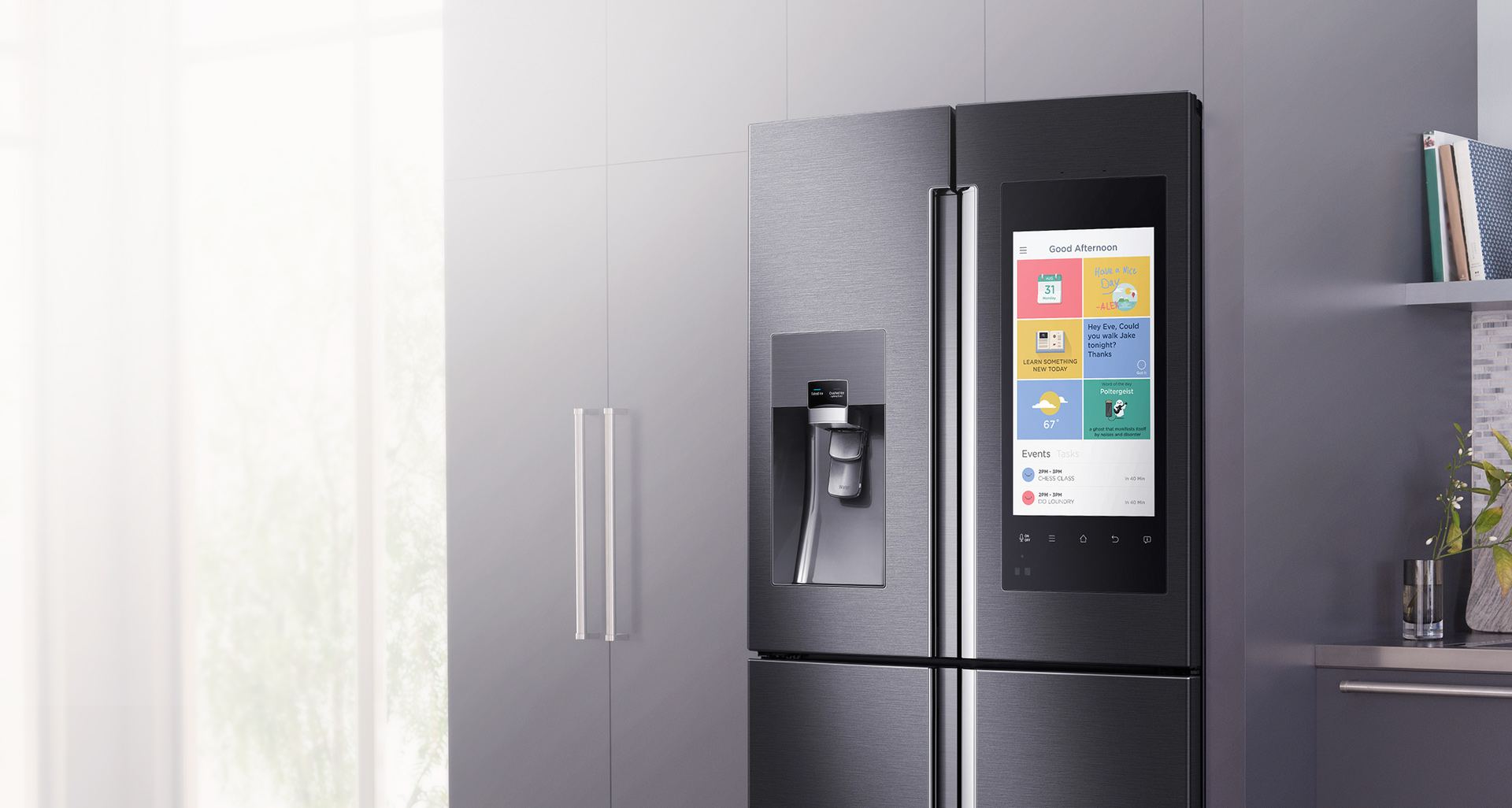
A smart refrigerator is equipped with advanced technology that enhances its functionality beyond basic cooling and freezing. Key features that define a smart fridge include:
- Wi-Fi Connectivity: Allows remote monitoring and control via smartphone apps.
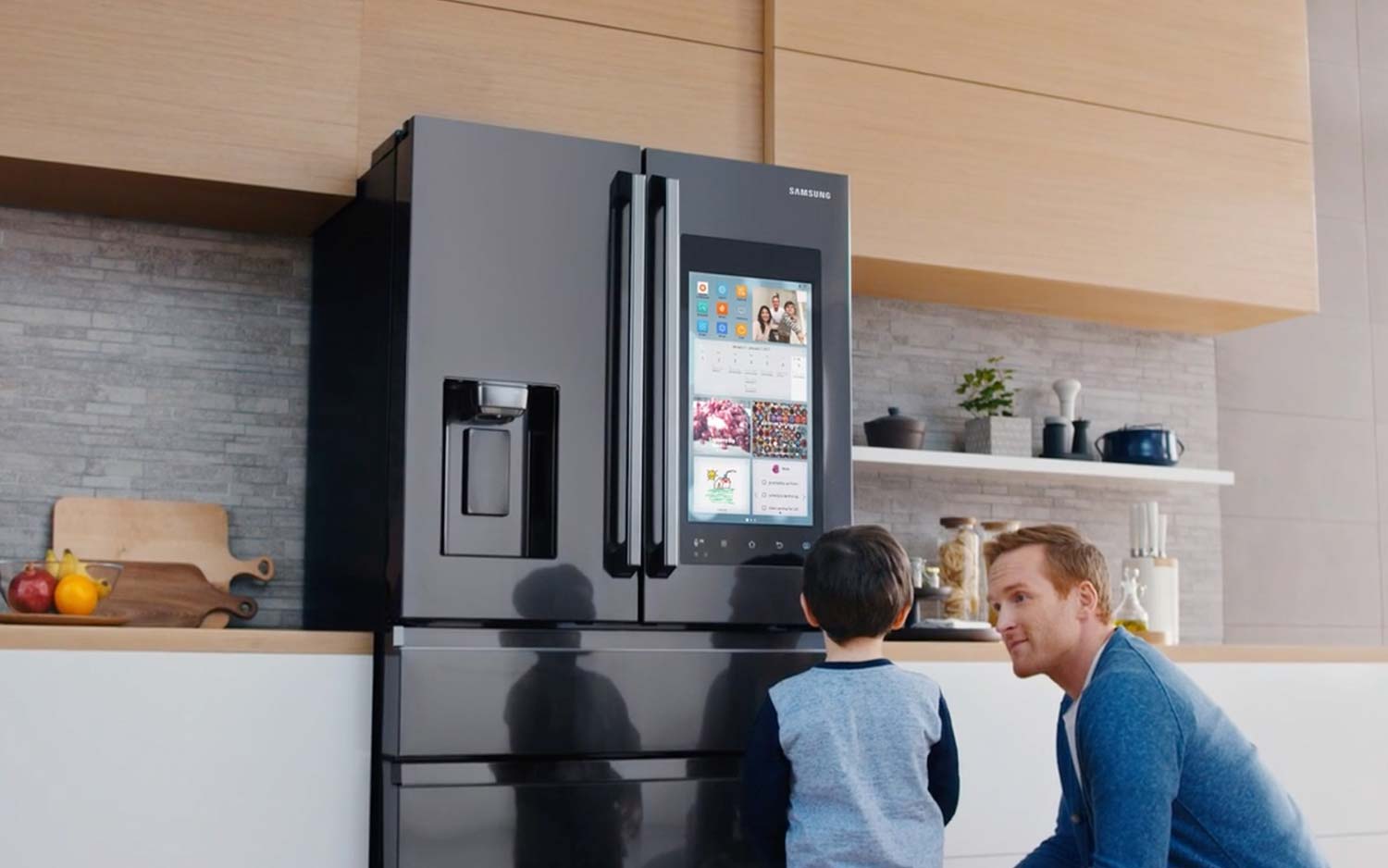
- Touchscreen Displays: Interactive screens that provide recipes, grocery lists, and entertainment.
- Inventory Management: Built-in cameras and AI track food expiration dates and suggest meal ideas.
- Voice Assistant Integration: Compatible with Alexa or Google Assistant for hands-free operation.
- Energy Efficiency: Some models optimize cooling based on usage patterns to reduce energy consumption.
- Smart Alerts: Sends notifications for open doors, temperature changes, or low supplies.
These innovations transform refrigerators from simple appliances into multifunctional kitchen hubs.
:max_bytes(150000):strip_icc()/samsung-ha-ref-rf56k9540sr-family-hub-overview-5aa18f0e18ba010037c023a5.jpg)
3. Benefits of Smart Refrigerators
Investing in a smart fridge comes with several advantages, including:
- Convenience & Automation: Features like inventory tracking and grocery list synchronization simplify meal planning.
- Energy Savings: Some models adjust cooling efficiency to lower energy consumption, reducing electricity bills.
- Food Waste Reduction: Expiration date tracking helps users avoid spoiled food.
- Enhanced Connectivity: Syncing with other smart home devices enables automation, such as adjusting the temperature when you leave the house.
- Entertainment & Productivity: Built-in screens can stream music, display calendars, and even mirror your smartphone.
These features make life easier and improve overall kitchen efficiency.
4. Potential Drawbacks and Concerns
Despite their impressive features, smart refrigerators have some downsides, such as:
- High Initial Cost: Smart fridges can cost 2-3 times more than standard models.
- Technology Dependence: Software updates and Wi-Fi connectivity are necessary for optimal performance.
- Privacy & Security Risks: Internet-connected appliances may be vulnerable to hacking or data collection.
- Complex Repairs: Advanced technology requires specialized maintenance, often at higher costs.
These concerns make it essential to evaluate whether the benefits outweigh the potential drawbacks.

5. Who Should Invest in a Smart Refrigerator?
A smart refrigerator is ideal for:
- Tech Enthusiasts: Those who enjoy smart home integration and automation.
- Large Families: Smart features like inventory tracking and shared calendars can improve meal planning.
- Busy Professionals: Remote access allows for better grocery organization and reminders.
- Eco-Conscious Consumers: Energy-efficient models help reduce carbon footprints.
However, if you prefer a simple fridge with reliable cooling and fewer bells and whistles, a traditional model may be a better choice.
6. Are Smart Refrigerators the Future of Kitchen Tech?
With smart home technology evolving rapidly, smart refrigerators are expected to become more common and affordable. Future innovations may include:
- AI-Powered Meal Planning: More advanced food recognition and cooking suggestions.
- Deeper Smart Home Integration: Enhanced communication with other kitchen devices.
- Improved Energy Efficiency: More sustainable cooling technologies.
As technology advances, smart refrigerators will likely become the standard rather than a luxury.

7. Conclusion
Smart refrigerators offer exciting features that enhance convenience, reduce food waste, and optimize energy use. However, their high cost and reliance on technology may not be suitable for every household.
If you love smart home integration and can afford the investment, a smart fridge can be a valuable addition to your kitchen. But for those looking for a budget-friendly, reliable option, traditional refrigerators remain a solid choice.
Ultimately, whether a smart refrigerator is worth it depends on your lifestyle, budget, and interest in tech-driven convenience.





Comments 0
Sign in to join the conversation.
No comments yet. Be the first to say something.