


Table of Contents
- What Is Website Uptime and Why It Matters
- How Downtime Can Harm Your Business
- The Financial Impact of Downtime
- SEO and Downtime: How It Affects Search Rankings
- Preventing Downtime: Best Practices for Maximum Uptime
1. What Is Website Uptime and Why It Matters
Website uptime refers to the percentage of time a website is available and accessible to users. Hosting providers typically measure uptime in percentages, with 99.9% uptime being the industry standard.
- Why It Matters: A consistently available website enhances customer experience, maintains search rankings, and ensures uninterrupted revenue flow.
- What Causes Downtime? Common reasons include server failures, cyberattacks, software bugs, or insufficient hosting resources.
- Monitoring Uptime: Businesses use uptime monitoring tools like UptimeRobot, Pingdom, and StatusCake to detect downtime instantly.
Ensuring high uptime is essential for business growth and online credibility.

2. How Downtime Can Harm Your Business
Even a few minutes of website downtime can significantly impact business operations. Here’s how:
- Lost Sales and Revenue: E-commerce sites experience immediate losses when customers cannot complete purchases.
- Customer Frustration: Visitors who encounter an inaccessible site may leave and never return.
- Damaged Brand Reputation: Repeated downtime creates distrust, affecting long-term customer relationships.
- Operational Disruptions: Businesses relying on cloud-based applications or CRM systems face productivity losses during outages.
A single hour of downtime can result in thousands of dollars in losses, making uptime a critical priority.

3. The Financial Impact of Downtime
Downtime has a direct financial impact on businesses, especially those operating online stores or subscription-based services.
- Revenue Loss Calculation:
Revenue Lost per Hour = (Average Hourly Revenue) × (Downtime Duration in Hours) - Case Study: In 2021, Amazon experienced a one-hour outage, leading to an estimated $34 million in lost sales.
- Indirect Costs: Beyond lost sales, businesses face costs related to customer compensation, emergency IT fixes, and reputational damage.
Investing in reliable hosting solutions and proactive monitoring can prevent costly disruptions.

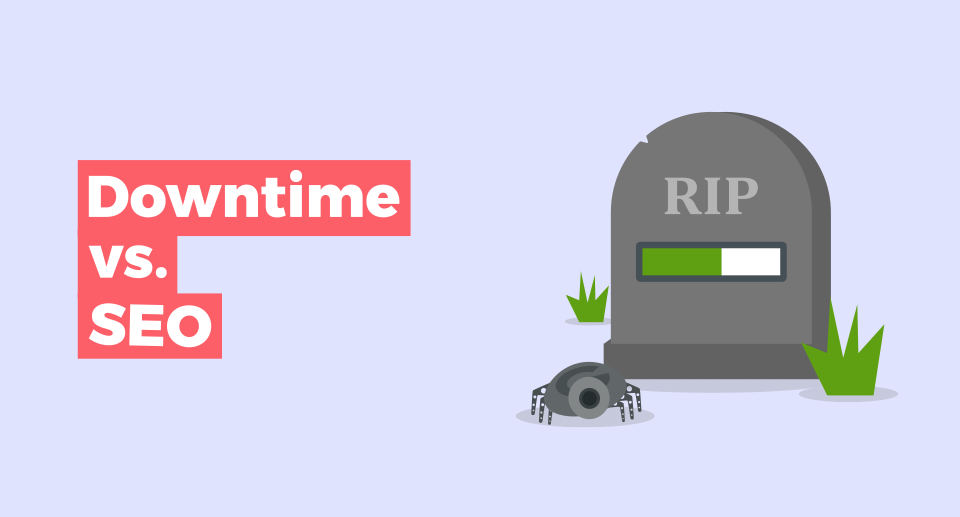
4. SEO and Downtime: How It Affects Search Rankings
Google prioritizes user experience, and frequent downtime negatively impacts SEO rankings.
- Search Engine Crawlers & Downtime: If Googlebot visits your site during an outage, it may mark it as unreliable, reducing rankings.
- Increased Bounce Rates: Visitors leaving due to downtime signal to search engines that your site provides a poor experience.
- Indexing Issues: Prolonged downtime can cause pages to be de-indexed, making it harder to recover rankings.
To protect SEO rankings, businesses should invest in high-availability hosting and real-time monitoring.
5. Preventing Downtime: Best Practices for Maximum Uptime
To ensure 99.9% uptime or higher, businesses should implement proactive strategies:
- Choose Reliable Hosting: Invest in high-performance SSD hosting, cloud hosting, or managed WordPress hosting.
- Use a Content Delivery Network (CDN): A CDN reduces server load and keeps your website available during traffic spikes.
- Implement Load Balancing: Distributing traffic across multiple servers minimizes the risk of overloading a single server.
- Enable Automatic Backups: Regular backups ensure fast recovery in case of a server failure or cyberattack.
- Use Uptime Monitoring Tools: Services like Pingdom, UptimeRobot, and New Relic notify you instantly when downtime occurs.
A proactive approach to website uptime ensures business continuity, higher revenue, and improved customer trust.






Comments 0
Sign in to join the conversation.
No comments yet. Be the first to say something.