
The Algorithm Diet: When Your Body Data Chooses Your Calories

Introduction: Why Personalized Nutrition Is Replacing One-Size-Fits-All Diets
For decades, dieting advice followed a predictable pattern: eat less, move more, repeat. Yet millions of people tried calorie-counting apps, trendy meal plans, and rigid food rules—only to regain the weight. The problem isn’t willpower. The problem is personalization.
The Algorithm Diet flips the script. Instead of forcing your body to follow a generic plan, your body data designs the plan for you. Your metabolism, sleep, hormones, movement patterns, and even blood sugar responses become inputs to a smart system that chooses how many calories you need and what kind of food fuels you best.
This is not science fiction. Tech-driven nutrition is already here. From continuous glucose monitors to AI-powered meal planning, algorithms are quietly becoming the new nutritionists.
What Is the Algorithm Diet?
The Algorithm Diet is a data-driven nutrition approach that uses real-time and historical body metrics to personalize calorie intake and food choices.
How the Algorithm Diet Works
Instead of guessing your calorie needs, an algorithm analyzes:
Basal metabolic rate (BMR)
Daily activity levels
Sleep quality and duration
Heart rate variability
Blood glucose responses
Body composition changes
Meal timing and digestion patterns
The system then:
Adjusts calorie targets daily
Recommends macronutrient ratios
Suggests foods based on how your body reacts
Optimizes meal timing for energy and fat loss
The Core Idea Behind Algorithmic Nutrition
Your body is a dynamic system. Your calorie needs change daily based on stress, movement, sleep, and recovery. The Algorithm Diet treats nutrition as a living process—not a fixed spreadsheet.
Why Traditional Diets Fail
Most diets fail because they ignore individual biology and real-world variability.
One-Size-Fits-All Calorie Targets
Traditional plans assume:
Two people of the same weight need the same calories
Your calorie needs don’t change day to day
All calories affect people the same way
None of these are true.
The Metabolism Myth
Your metabolism adapts. When you slash calories:

Your body conserves energy
Hunger hormones increase
Fat loss slows over time
The Algorithm Diet adjusts calories dynamically to reduce metabolic slowdown.
The Technology Powering the Algorithm Diet
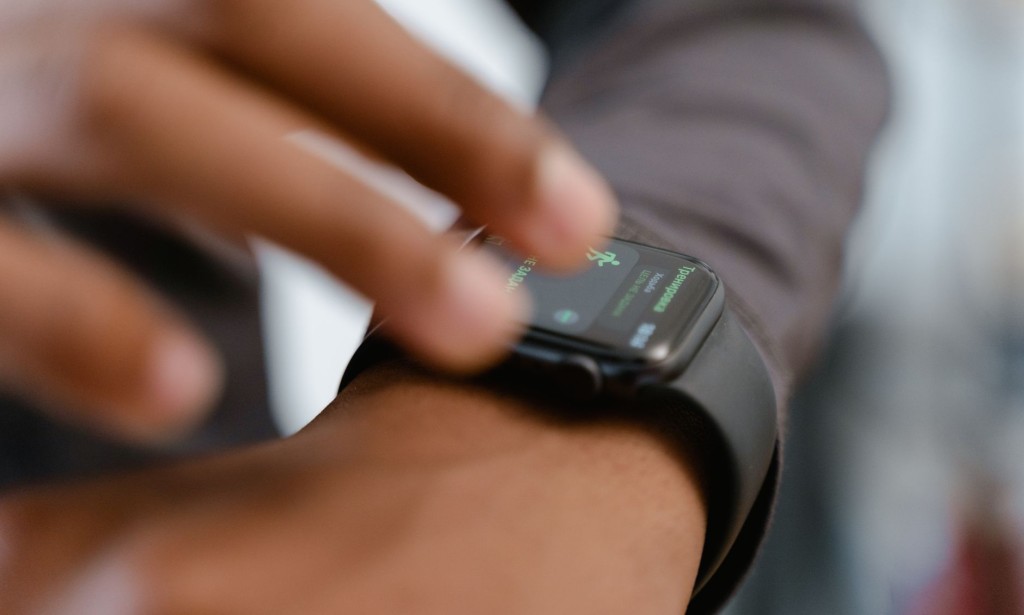
Wearables and Smart Health Devices
Fitness trackers and smartwatches collect continuous data on:
Steps and movement
Heart rate and recovery
Sleep stages
Energy expenditure
This data feeds into nutrition algorithms.
Continuous Glucose Monitoring (CGM)
CGMs reveal how different foods affect your blood sugar.
White rice might spike glucose for one person
The same meal may barely move the needle for another
Personalized glucose data helps tailor carbohydrate intake.
AI and Machine Learning in Nutrition
Artificial intelligence learns patterns from your habits and responses. Over time, the system gets smarter at predicting:
Which meals keep you full
When you’re most likely to overeat
How your body responds to calorie deficits
The Role of Big Tech and Health Platforms
Large tech companies and health startups are investing heavily in algorithmic health.
and Health Data Intelligence
Health-focused AI research from companies like Google is accelerating the use of predictive models in nutrition and wellness.
and Wearable-Driven Nutrition
Apple’s wearable ecosystem is a major data source for algorithm-based health insights.
and Behavioral Feedback Loops
Fitbit’s health data supports habit tracking, recovery insights, and calorie estimation models used by nutrition platforms.
How Your Body Data Chooses Your Calories
Dynamic Calorie Targets
Instead of a fixed “1,800 calories per day,” algorithms:
Increase calories on high-activity days
Reduce intake on sedentary days
Adjust based on sleep quality and recovery
Macronutrients Based on Response, Not Dogma
Your body’s response determines your macro split:
Some people perform better with higher carbs
Others stabilize hunger with higher protein
Fat intake adjusts based on satiety and hormone response
Personalized Meal Timing
Algorithms learn when your body best handles food:
Morning eaters vs. evening eaters
Pre-workout fueling needs
Late-night hunger patterns
Psychological Benefits of the Algorithm Diet
Reduces Decision Fatigue
You don’t wake up guessing what to eat. The system suggests meals aligned with your body’s needs.
Removes Moral Judgment from Food
No “good” or “bad” foods—just data-driven feedback. If a food doesn’t work for your body, the algorithm adapts without shame.
Builds Trust in Your Body Signals
Over time, users learn:
Which foods energize them
What timing reduces cravings
How sleep affects hunger
The Ethics of Algorithmic Eating
Data Privacy and Ownership
Your health data is deeply personal.
Who owns your biometric data?
How is it stored and protected?
Can it be sold to advertisers?
Bias in Algorithms
Algorithms reflect the data they’re trained on. If datasets lack diversity, recommendations may:
Underperform for certain populations
Reinforce unhealthy norms
Misinterpret cultural food patterns
The Risk of Over-Optimization
Constant optimization can:
Create anxiety around food
Encourage perfectionism
Reduce intuitive eating skills
Balance is essential.
Algorithm Diet vs. Intuitive Eating
Where They Overlap
Both approaches emphasize:
Listening to body signals
Responding to hunger and fullness
Individualized nutrition
Where They Differ
Algorithm Diet:
Uses data and predictive models
Offers structured feedback
Optimizes performance and fat loss
Intuitive Eating:
Focuses on internal cues
Minimizes external tracking
Prioritizes relationship with food
The best approach often blends both.
Who Benefits Most from the Algorithm Diet?
Athletes and High Performers
Data-driven fueling improves:
Recovery
Energy consistency
Training adaptation
People with Metabolic Challenges
Those managing:
Insulin resistance
Energy crashes
Weight plateaus
can benefit from personalized feedback.
Busy Professionals
Automated recommendations simplify nutrition decisions.
Potential Downsides and Limitations
Tech Dependence
Relying too heavily on devices can:
Reduce self-awareness
Increase anxiety when data is missing
Create obsession with metrics
Cost and Accessibility
Wearables and CGMs aren’t accessible to everyone, which may widen health gaps.
Not a Replacement for Medical Care
Algorithms assist decisions but cannot replace:
Dietitians
Doctors
Personalized medical advice
The Future of the Algorithm Diet
Predictive Nutrition
Future systems may predict:
Cravings before they happen
Energy slumps in advance
Optimal eating windows
Integration with Smart Kitchens
Your fridge and pantry may soon:
Track food inventory
Suggest meals
Sync with your calorie needs
Personalized Food Manufacturing
3D-printed meals and customized nutrition formulas may align with your daily data profile.

Practical Steps to Start an Algorithm Diet Today
Step 1: Track the Right Data
Sleep duration and quality
Daily movement
Meal timing
Energy levels
Step 2: Use Smart Tools
Choose apps or wearables that provide adaptive recommendations, not just static calorie counts.
Step 3: Review Weekly Trends
Focus on patterns, not daily perfection.
Step 4: Combine Data with Awareness
Use algorithms as guides—not rulers. Pay attention to how you feel.
Bullet Point Summary: Key Takeaways
The Algorithm Diet personalizes calories using body data
Daily calorie needs fluctuate based on activity, sleep, and stress
Wearables and CGMs power real-time nutrition feedback
AI improves meal recommendations over time
Psychological benefits include reduced decision fatigue
Ethical concerns include data privacy and algorithm bias
Best results come from blending data with intuitive awareness
Final Thoughts: When Your Body Becomes the Decision-Maker
The Algorithm Diet represents a major shift in how we approach nutrition. Instead of fighting your biology, you collaborate with it. When your body data chooses your calories, dieting stops being a punishment and starts becoming a feedback loop—one that evolves as you do.
The future of nutrition isn’t about discipline.
It’s about design.









Comments 0
Sign in to join the conversation.
No comments yet. Be the first to say something.