

1. Understanding the Basics of Nutrition
Nutrition forms the foundation of a healthy lifestyle, encompassing the process of consuming and utilizing food for growth, repair, and overall body function. At its core, nutrition involves macronutrients—carbohydrates, proteins, and fats—which provide energy, and micronutrients—vitamins and minerals—that facilitate bodily processes. Proper hydration and fiber intake are equally critical components of nutrition. A well-rounded diet ensures the body receives the nutrients necessary to maintain energy levels, immunity, and cognitive function.
Nutrition is not one-size-fits-all. Individual needs depend on factors such as age, gender, activity level, and health conditions. It’s essential to understand your unique requirements and align your dietary choices with them to optimize your well-being.

2. Popular Diet Trends: Pros and Cons
From keto to veganism, diet trends often promise rapid results or superior health benefits. The ketogenic diet, for instance, focuses on low carbohydrate intake to induce ketosis, a fat-burning state. While effective for some, it may lead to nutrient deficiencies if not carefully managed. Vegan and vegetarian diets emphasize plant-based eating, offering benefits like improved heart health and lower environmental impact, but they require attention to protein and vitamin B12 intake.
Intermittent fasting, Mediterranean diets, and paleo eating plans also have unique advantages and challenges. While trends can be a starting point for dietary changes, it’s crucial to evaluate whether they align with your lifestyle and health goals. Consulting with a nutritionist can provide personalized guidance.

3. The Role of Macronutrients and Micronutrients
Macronutrients—carbohydrates, proteins, and fats—are the body’s primary energy sources. Carbohydrates fuel daily activities, proteins support muscle repair and immune function, and healthy fats contribute to brain health and hormone regulation. Each macronutrient plays a vital role, and balance is key.
Micronutrients, including vitamins and minerals, are equally critical. For example, vitamin D strengthens bones and boosts immunity, while iron supports oxygen transport in the blood. Deficiencies in these nutrients can lead to chronic health issues, emphasizing the importance of a varied and colorful diet rich in whole foods.
4. Creating a Balanced Meal Plan
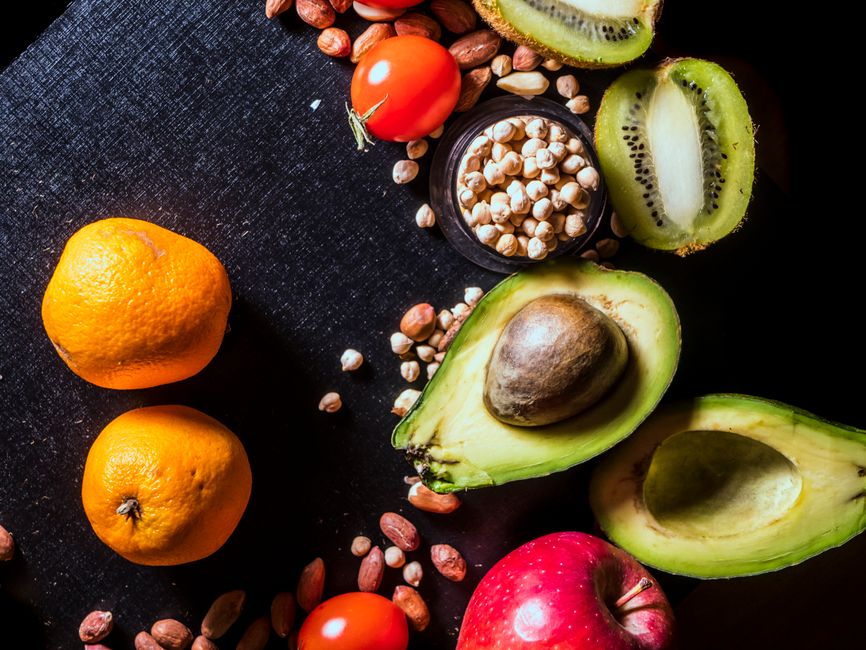
Building a balanced meal plan involves incorporating foods from all food groups in appropriate proportions. Start by filling half your plate with fruits and vegetables, a quarter with lean proteins, and the remaining quarter with whole grains. Incorporate healthy fats, such as avocado or olive oil, in moderation.
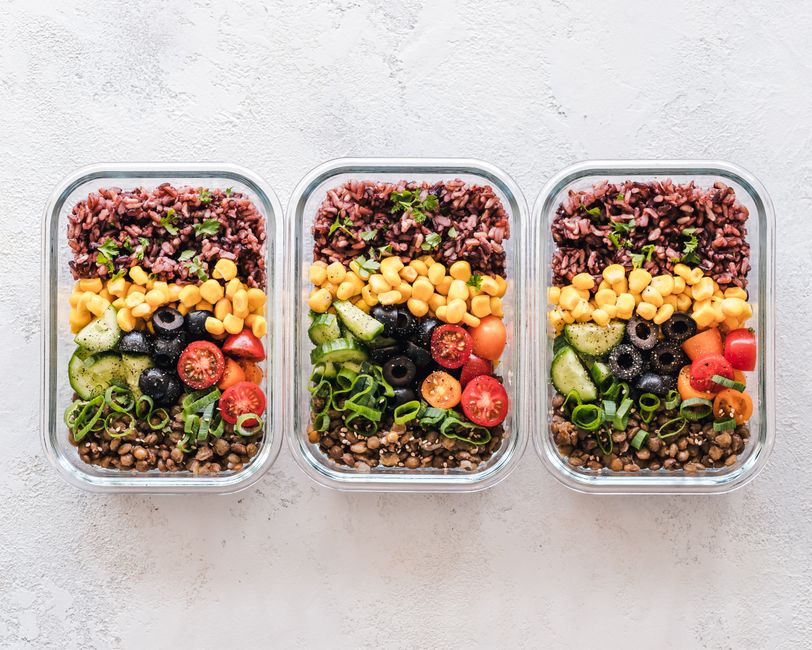
Meal prepping can streamline the process, making it easier to stick to nutritious choices throughout the week. Additionally, staying flexible allows for occasional indulgences without derailing your overall progress. A balanced approach ensures sustainability and prevents feelings of deprivation.
5. Tips for Sustainable Healthy Eating
- Practice Mindful Eating: Pay attention to hunger and fullness cues to avoid overeating.
- Stay Hydrated: Drink plenty of water to support digestion and energy levels.
- Limit Processed Foods: Choose whole, unprocessed options whenever possible.
- Cook at Home: Preparing meals at home allows you to control ingredients and portion sizes.
- Set Realistic Goals: Gradual changes are more likely to lead to long-term success.
Developing a positive relationship with food and embracing moderation can make healthy eating a sustainable lifestyle choice rather than a temporary fix.

6. The Connection Between Nutrition and Mental Health
Emerging research highlights the link between diet and mental well-being. Nutrient-rich foods, such as leafy greens, fatty fish, and nuts, have been shown to improve mood and cognitive function. On the other hand, diets high in sugar and processed foods may increase the risk of anxiety and depression.
Gut health also plays a significant role in mental health, as the gut-brain axis connects digestive function with emotional regulation. Consuming probiotics and prebiotics can foster a healthy gut microbiome, potentially enhancing mental resilience.









Comments 0
Sign in to join the conversation.
No comments yet. Be the first to say something.