


Table of Contents
- Introduction: The Intersection of Wearable Devices and Healthcare
- The Role of Wearables in Personalized Medicine
- Transforming Chronic Disease Management with Wearable Devices
- Real-Time Health Monitoring and Preventive Care
- Challenges in Adopting Wearable Technology in Healthcare
- The Future of Wearable Devices in Personalized Medicine
1. The Intersection of Wearable Devices and Healthcare
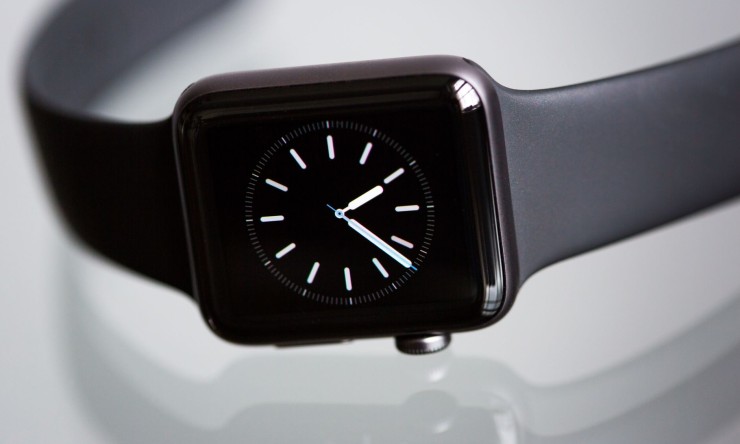
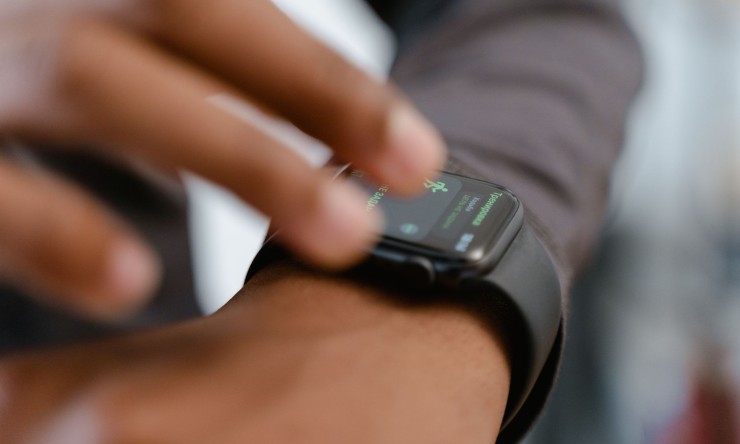
Wearable technology is revolutionizing healthcare by bridging the gap between patients and providers. These devices, equipped with advanced sensors and connectivity, allow for real-time monitoring of health metrics, making personalized medicine more accessible. From fitness trackers to medical-grade devices, wearable technology has shifted from being a novelty to an essential tool in managing health. This evolution has not only empowered patients to take control of their health, but also provided healthcare professionals with invaluable data for better decision-making.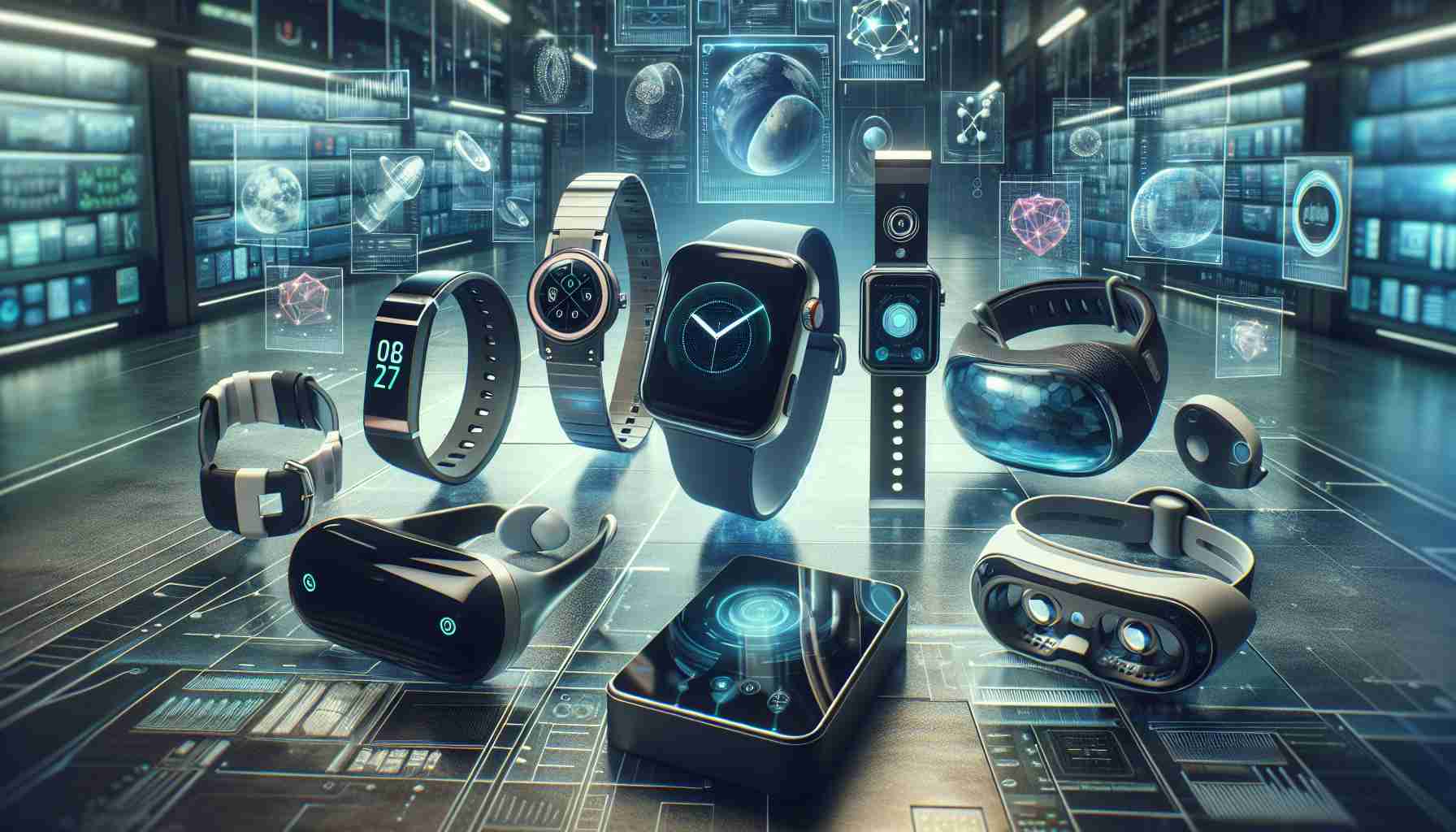
2. The Role of Wearables in Personalized Medicine
Personalized medicine focuses on tailoring treatments and interventions to individual patients based on their unique health data. Wearable devices play a crucial role in this by continuously collecting metrics like heart rate, activity levels, sleep patterns, and even biomarkers. This data enables the creation of personalized health plans that are more effective and precise. For example, wearable ECG monitors can detect arrhythmias, and continuous glucose monitors (CGMs) can optimize diabetes management. As these devices become more sophisticated, they are redefining how treatments are developed and administered.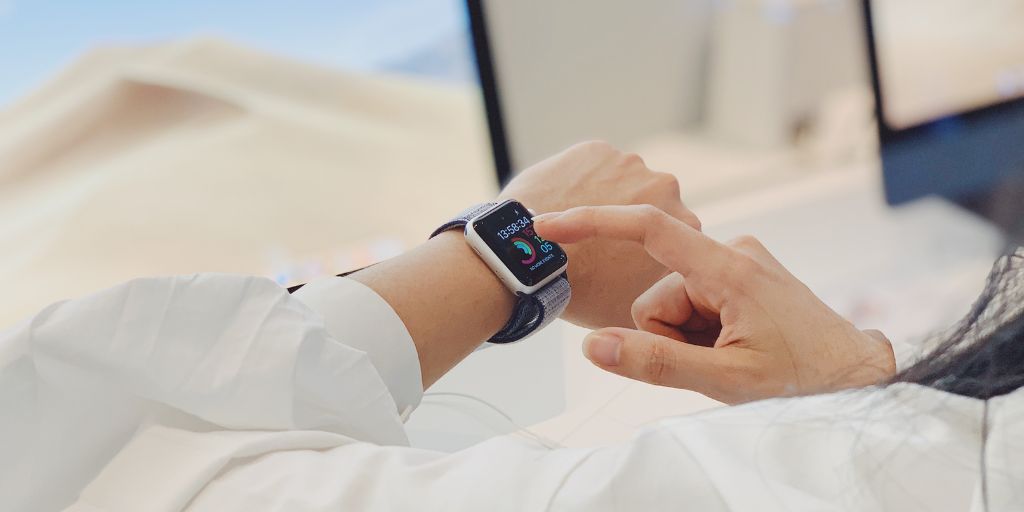
3. Transforming Chronic Disease Management with Wearable Devices
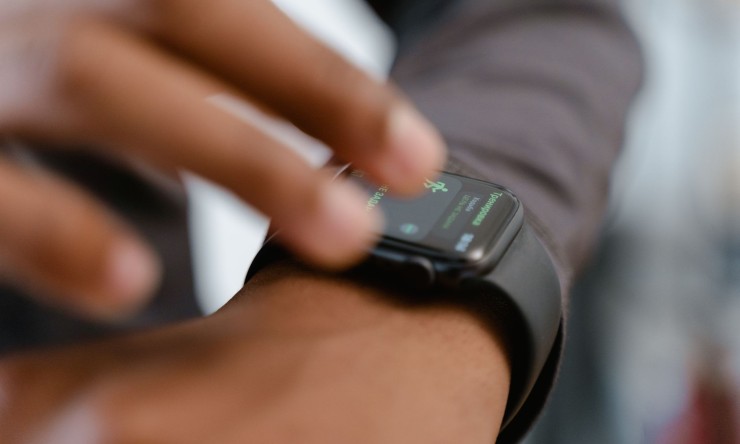
Chronic diseases like diabetes, hypertension, and cardiovascular conditions require constant monitoring, which wearable devices make possible. By providing patients with real-time feedback on their health, wearables empower them to make informed lifestyle choices. Devices like blood pressure monitors and smart inhalers for asthma management are examples of how wearable technology improves adherence to treatment plans. Moreover, healthcare providers benefit from remote monitoring, which enables them to intervene promptly when abnormalities are detected, potentially reducing hospitalizations and improving patient outcomes.
4. Real-Time Health Monitoring and Preventive Care
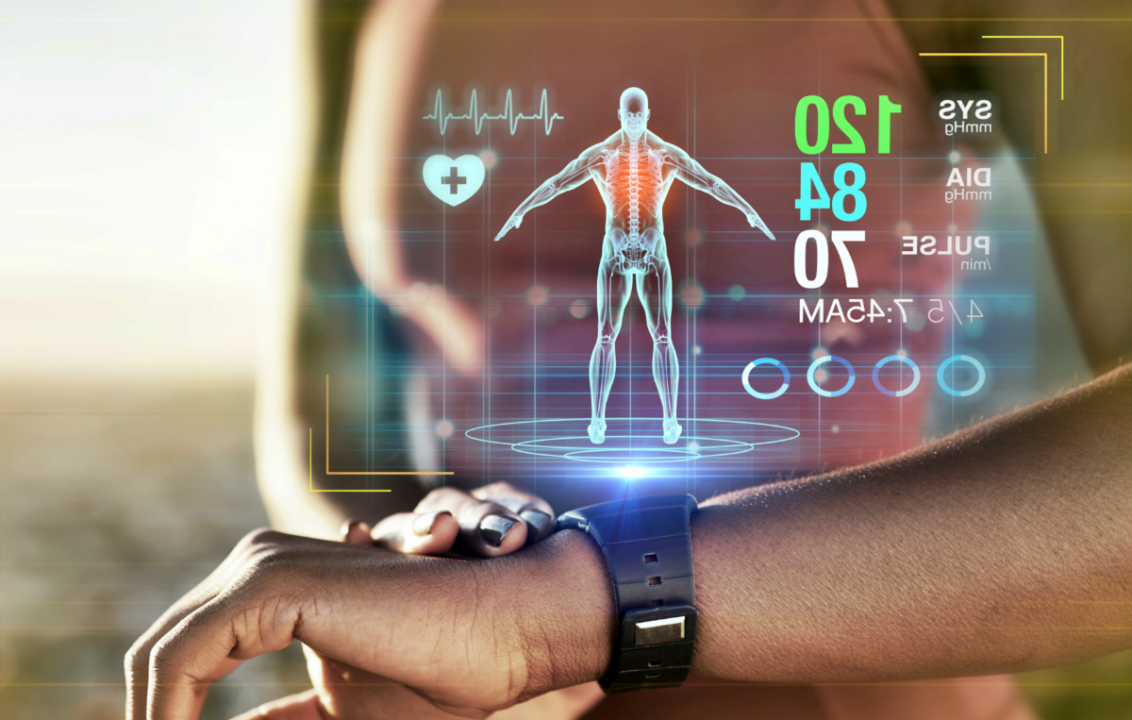
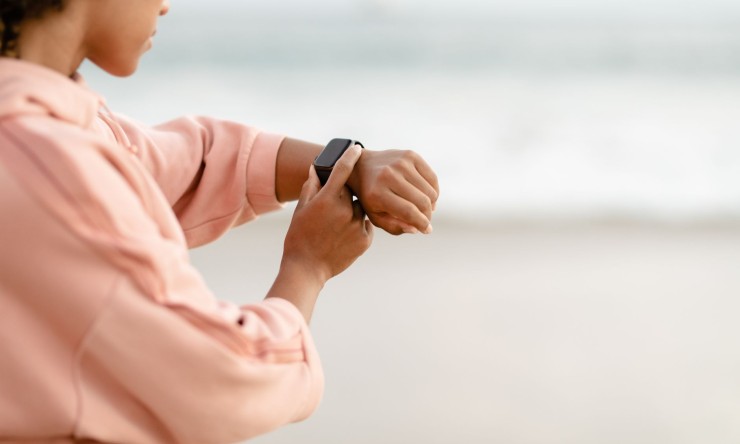
Preventive care is another area where wearable technology excels. Devices can monitor subtle changes in health metrics that may indicate the onset of an illness, allowing for early intervention. For instance, wearable thermometers can detect fevers, and oxygen saturation monitors can signal respiratory issues. Real-time health monitoring is particularly beneficial in post-operative care, where patients can recover at home while being closely monitored by their healthcare team. The data collected not only improves individual care but also contributes to public health research, helping to identify trends and potential outbreaks.
5. Challenges in Adopting Wearable Technology in Healthcare
While the benefits of wearable devices in healthcare are immense, challenges remain. One major issue is data privacy and security, as wearables collect sensitive health information that could be exploited if not adequately protected. Another challenge is the integration of wearable data into existing healthcare systems, which often require significant investment and technological upgrades. Additionally, ensuring the accuracy and reliability of wearable devices is critical, as inaccurate readings can lead to misdiagnoses or unnecessary interventions. Overcoming these challenges will require collaboration between technology companies, healthcare providers, and regulators.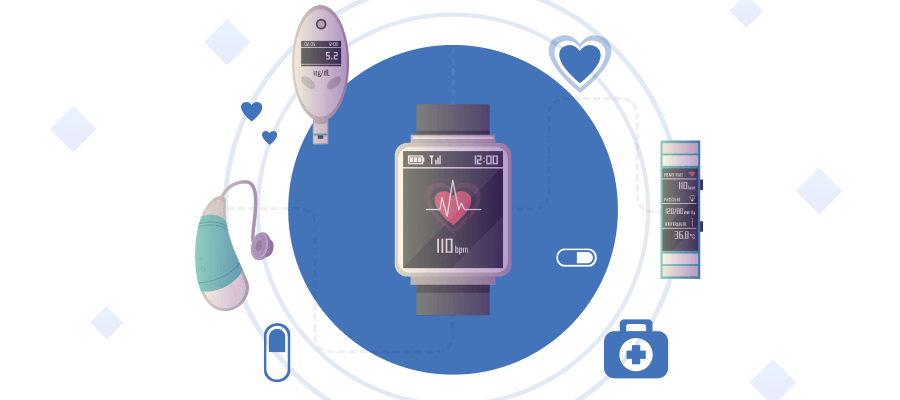
6. The Future of Wearable Devices in Personalized Medicine
The future of wearable technology in healthcare is promising, with advancements in AI, machine learning, and nanotechnology poised to enhance their capabilities. Next-generation wearables will likely include non-invasive diagnostic tools, such as devices that monitor hormone levels or detect biomarkers for early cancer detection. The integration of wearables with telemedicine platforms will also improve access to healthcare, particularly in remote areas. As personalized medicine continues to evolve, wearable devices will play a pivotal role in creating a more patient-centric and efficient healthcare system.




Comments 0
Sign in to join the conversation.
No comments yet. Be the first to say something.