

Table of Contents
1. Introduction: A New Era of Human-Device Interaction
2. Health Monitoring: Prevention Through Data
3. Fitness Optimization and Performance Tracking
4. Daily Life Integration and Lifestyle Convenience
5. Privacy, Accuracy, and Ethical Considerations
## 1. Introduction: A New Era of Human-Device Interaction
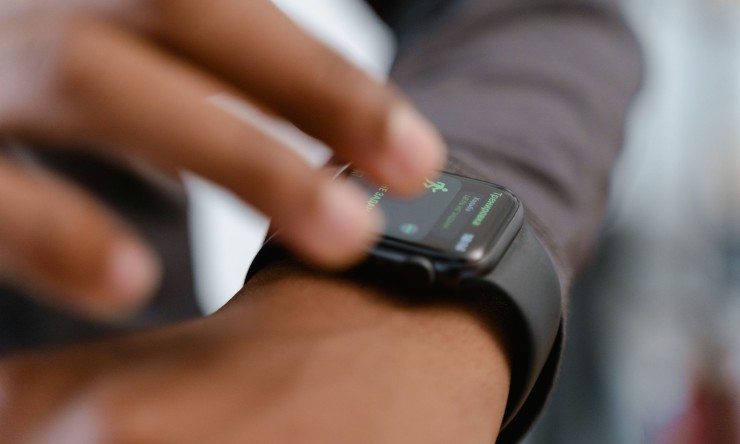
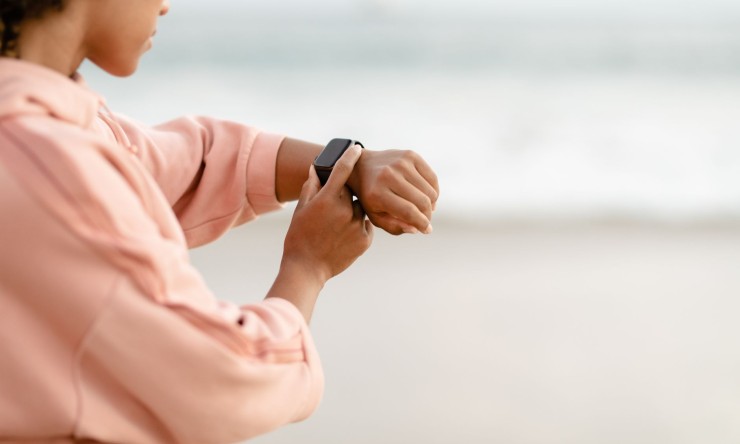
Wearable technology has surged into mainstream adoption over the past decade, bridging the gap between digital innovation and personal wellness. From smartwatches and fitness bands to smart rings and ECG patches, these devices are revolutionizing how people monitor, manage, and enhance their daily lives. What once seemed like futuristic accessories are now tools that integrate seamlessly into our routines—providing instant access to health metrics, reminders, navigation, and even social connectivity.
More than mere gadgets, wearables represent a paradigm shift. They enable individuals to become active participants in their own health journeys, track habits, receive predictive insights, and improve productivity. As the global market expands and artificial intelligence powers more functions, wearable tech is not only transforming personal lifestyles but also influencing industries such as healthcare, sports, education, and even fashion.
## 2. Health Monitoring: Prevention Through Data
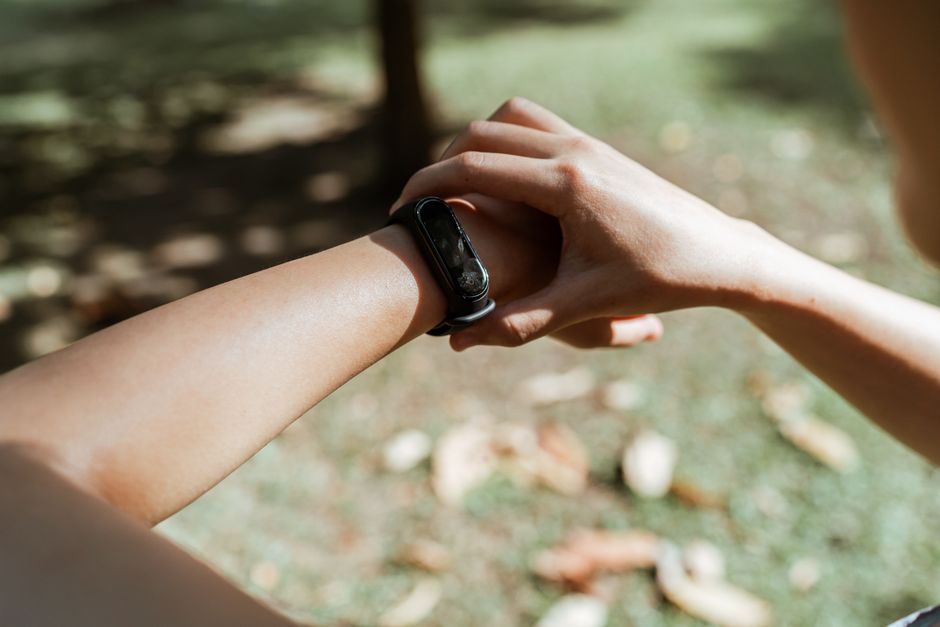
One of the most groundbreaking applications of wearable technology lies in health monitoring. Devices now track heart rate, blood oxygen levels (SpO2), body temperature, stress levels, respiratory rate, and even ECG patterns. This real-time data empowers users to take early action on potential health concerns, often before they become serious conditions.
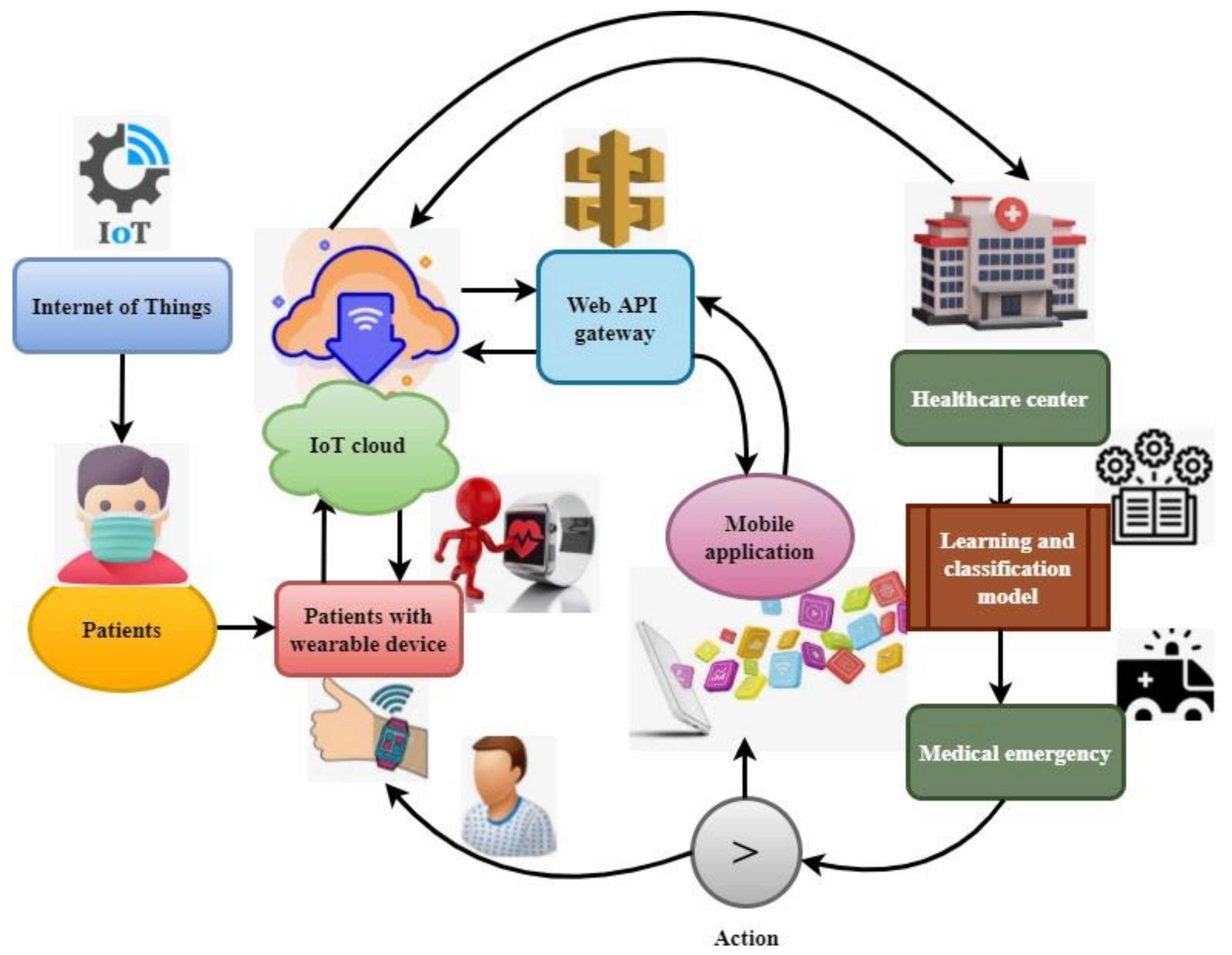
Medical-grade wearables are also making waves in clinical settings. Doctors can remotely monitor patients recovering from surgery or managing chronic conditions like diabetes, hypertension, or atrial fibrillation. For individuals, the feedback loop is immediate and intuitive. Many users report improved sleep hygiene, better dietary choices, and more consistent hydration thanks to biometric alerts and app insights.
These developments support a preventive health model where individuals are no longer passive patients, but engaged stakeholders in their well-being. By making data accessible, wearable tech enables smarter decisions and earlier interventions—transforming the way we approach health from reactive to proactive.
-
## 3. Fitness Optimization and Performance Tracking
Fitness enthusiasts have embraced wearables as indispensable tools for training, goal-setting, and performance enhancement. Whether you're a weekend jogger or a professional athlete, devices like Fitbit, Garmin, Apple Watch, and WHOOP bands offer comprehensive analytics on calories burned, distance traveled, pace, recovery, and VO2 max.
Beyond traditional tracking, some devices now provide guided workouts, automatic rep counting, and real-time feedback based on physiological markers. Advanced wearables leverage machine learning to recommend personalized training plans, ensuring optimal results without overexertion or injury.
Moreover, the gamification of fitness—badges, challenges, social sharing—helps sustain motivation. These features have created global fitness communities and fostered healthier habits at scale. Wearables aren't just recording physical activity—they're actively transforming how people think about exercise, discipline, and long-term wellness.
## 4. Daily Life Integration and Lifestyle Convenience
Wearable technology isn’t limited to health and fitness—it’s becoming central to everyday convenience. Smartwatches now handle contactless payments, voice commands, calendar reminders, and messaging, effectively serving as mini smartphones on your wrist. Integration with digital assistants like Siri, Alexa, or Google Assistant allows for seamless multitasking and time management.
Wearables also aid productivity and mindfulness. Devices can prompt breathing exercises during stressful moments or encourage movement after long periods of inactivity. Smart rings, such as the Oura Ring, provide gentle vibration alarms and track sleep cycles, ensuring users wake at optimal times for mental clarity.
In the workplace, wearables are being explored for ergonomics, safety, and efficiency. Construction workers may use smart helmets; office workers receive posture correction alerts. In education, wearables can assist children with ADHD or other learning difficulties by tracking concentration and engagement.
From fashion-forward designs to customizable interfaces, wearables are evolving to match lifestyle preferences—offering function without sacrificing form.

## 5. Privacy, Accuracy, and Ethical Considerations
While wearable tech offers immense benefits, it also raises critical concerns around data privacy, accuracy, and ethical usage. These devices collect sensitive health and behavioral data, often synced to cloud-based apps and servers. Questions about who owns the data, how it’s stored, and whether it can be sold or shared with third parties are increasingly important.
Accuracy remains another issue. Not all devices are medically approved, and discrepancies in heart rate or sleep data can lead to false reassurance or unnecessary anxiety. Developers must balance innovation with responsibility, ensuring transparency about device limitations.
Employers using wearables for employee wellness or performance tracking must also navigate ethical boundaries. Consent, data usage rights, and workplace surveillance laws must be clearly defined to prevent misuse. The future of wearables will depend not only on technological advancement but also on building trust through regulation and user control.






Comments 0
Sign in to join the conversation.
No comments yet. Be the first to say something.