

Table of Contents
-
Introduction to Wearable Technology
-
Transforming Healthcare with Wearables
-
Enhancing Fitness and Wellness Through Technology
-
Wearables in the Workplace: Productivity and Safety
-
Fashion Meets Function: Style and Wearable Design
-
The Future of Wearable Technology
1. Introduction to Wearable Technology
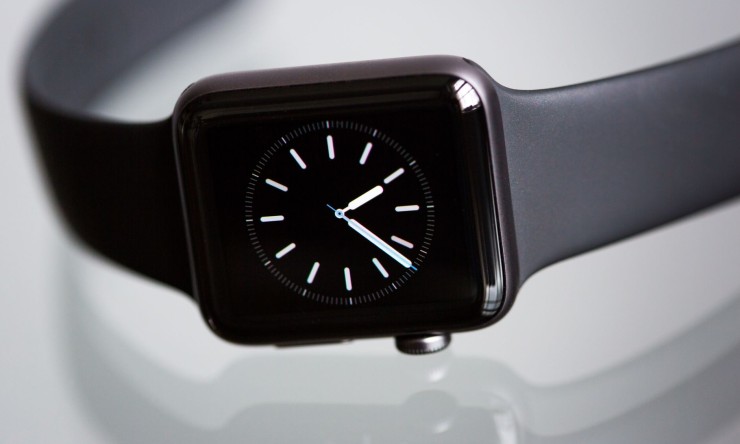
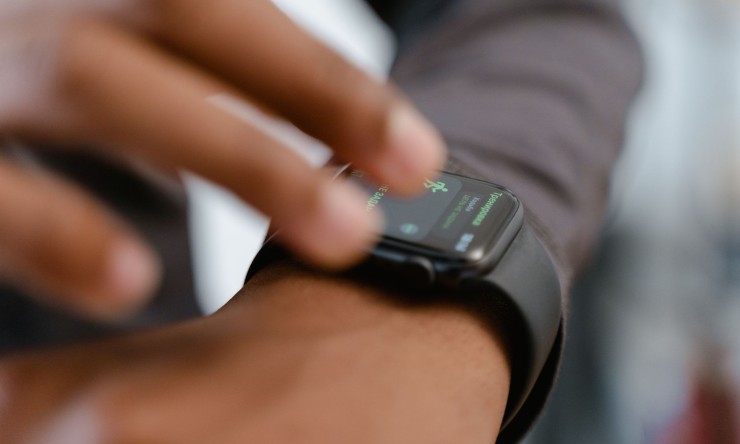
Wearable technology, encompassing devices like smartwatches, fitness trackers, and augmented reality (AR) glasses, has grown from niche gadgets to essential tools in everyday life. These devices are designed to be worn on the body and integrate seamlessly with digital ecosystems, providing real-time feedback, connectivity, and functionality. From tracking health metrics to enabling hands-free communication, wearables have become a powerful extension of our capabilities.
As technology advances, wearables are becoming more sophisticated, miniaturized, and versatile. They now incorporate features like biometric sensors, AI algorithms, and IoT connectivity, creating a thriving market poised to grow exponentially. According to industry forecasts, the wearable tech market is expected to exceed $150 billion by 2026, driven by demand for personalized solutions in health, lifestyle, and productivity.
2. Transforming Healthcare with Wearables
Healthcare is one of the sectors most profoundly impacted by wearable technology. Devices such as smartwatches and continuous glucose monitors provide patients and healthcare professionals with invaluable data. For example, wearables can track vital signs, monitor chronic conditions, and detect irregularities such as atrial fibrillation in real time.
The integration of wearables into telemedicine has also improved access to healthcare. Remote monitoring allows physicians to make informed decisions without requiring in-person visits. This not only enhances patient outcomes but also reduces healthcare costs. Additionally, wearable technology empowers individuals to take control of their health by providing actionable insights into their habits and behaviors.
Recent advancements include wearable patches capable of delivering medications and smart clothing embedded with sensors to monitor physical rehabilitation. These innovations highlight the potential of wearables to revolutionize healthcare delivery and management.

3. Enhancing Fitness and Wellness Through Technology
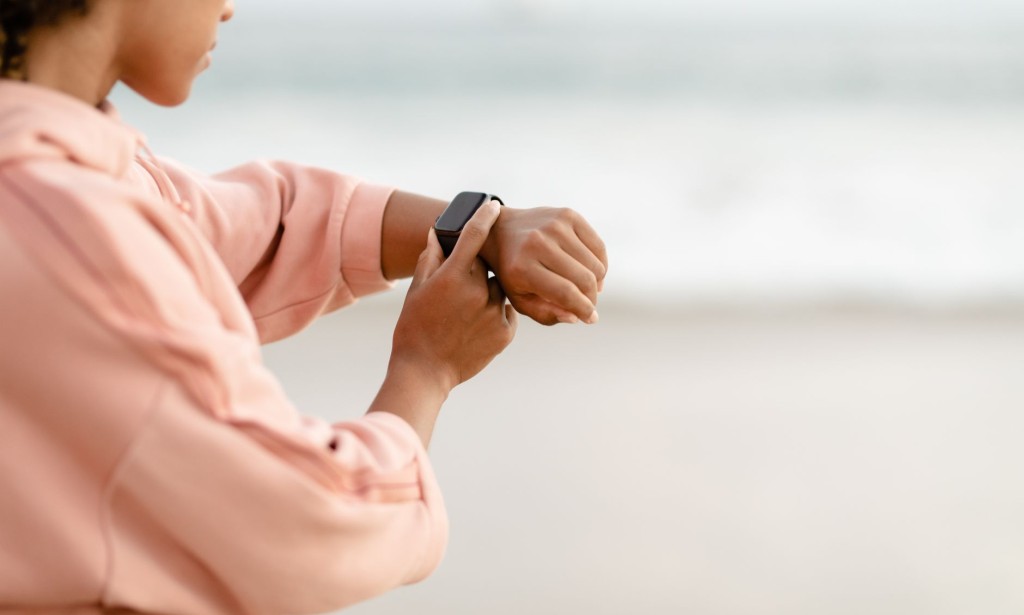
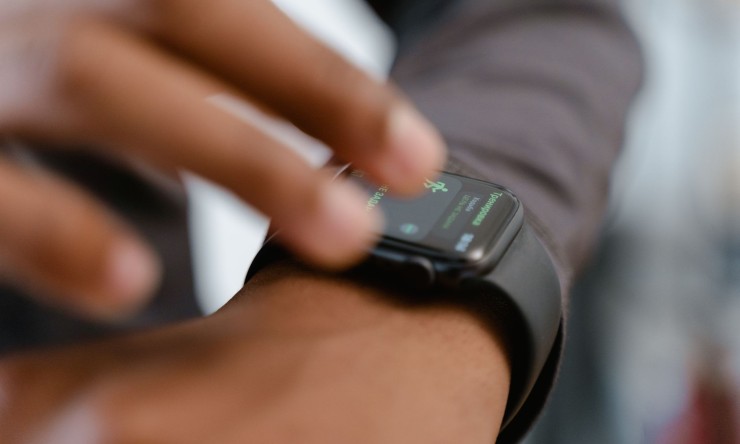
Fitness trackers and smartwatches are now staples for individuals seeking to improve their physical well-being. These devices provide real-time feedback on metrics such as heart rate, calorie expenditure, and sleep quality. Gamification features, such as step challenges and virtual coaching, make fitness engaging and accessible.
Beyond personal use, wearable technology is influencing the sports industry. Professional athletes rely on wearables to optimize performance, prevent injuries, and analyze gameplay. Advanced wearables equipped with AI algorithms can offer personalized training regimens based on an individual’s unique physiology.
The focus on mental health is also increasing. Devices with stress tracking, meditation guidance, and mood monitoring features are helping users prioritize emotional well-being. The integration of wellness-focused apps and devices signifies a holistic approach to health management.

4. Wearables in the Workplace: Productivity and Safety
The adoption of wearable technology in workplaces is enhancing productivity and safety across industries. Smart glasses equipped with AR capabilities allow workers to access information hands-free, improving efficiency in fields like manufacturing, logistics, and healthcare. Meanwhile, wearable exoskeletons are assisting employees with heavy lifting, reducing the risk of injury.
Wearables also play a crucial role in workplace safety. Devices like location trackers and smart helmets provide real-time data to monitor hazardous environments. For example, in construction sites, wearables can alert supervisors to potential dangers, such as excessive noise or proximity to heavy machinery.
Moreover, corporate wellness programs are integrating wearables to promote healthier lifestyles among employees. By tracking physical activity and encouraging movement during the workday, organizations are fostering a culture of health and well-being.
5. Fashion Meets Function: Style and Wearable Design
As wearable technology becomes mainstream, aesthetics and design are taking center stage. Collaborations between tech companies and fashion brands have resulted in stylish devices that blend seamlessly with personal style. For instance, luxury smartwatches and designer fitness bands cater to consumers who value both form and function.
The emphasis on customization is growing. Consumers can now choose from interchangeable bands, personalized displays, and materials that suit their preferences. Wearable devices are no longer just functional gadgets—they are fashion statements.
Sustainability is another emerging trend in wearable design. Companies are exploring eco-friendly materials and energy-efficient technologies to create devices with a reduced environmental footprint. These efforts align with the broader movement toward sustainable innovation.

6. The Future of Wearable Technology
The future of wearable technology promises even greater integration into daily life. Emerging trends include smart implants, advanced biometric monitoring, and AI-driven insights. For example, wearable biosensors capable of detecting diseases at an early stage could revolutionize preventive healthcare.
Augmented reality and virtual reality wearables are set to redefine entertainment, education, and remote work. AR glasses, for instance, could replace smartphones by offering a seamless digital experience within the user’s field of vision. Similarly, wearable interfaces may enable direct interaction with smart home devices and IoT ecosystems.
As wearables continue to evolve, ethical considerations and data privacy will remain critical. Developers must ensure that these devices prioritize user consent and security to build trust and foster widespread adoption.






Comments 0
Sign in to join the conversation.
No comments yet. Be the first to say something.