


Introduction
A healthy daily routine is one of the most important foundations of a successful and balanced life. Every person has different responsibilities, including education, work, family, and personal goals. However, managing all these activities without proper planning can become stressful. Many people feel tired, unmotivated, or confused because they do not have a clear daily schedule.
Building a healthy routine does not mean making every minute of the day busy. It means organizing your time wisely, taking care of your health, and creating positive habits that improve your lifestyle. Small changes in everyday activities can produce meaningful results over time.
Whether you are a student, teacher, employee, or business owner, a well-planned routine can help you become more productive, confident, and organized.
1. Start Your Day with a Positive Morning Routine
The way you start your morning can influence the rest of your day. Waking up at a consistent time gives your body a regular schedule and helps you prepare for daily responsibilities.
Instead of immediately checking social media or spending time on your phone, begin your morning with activities that make you feel fresh and relaxed.
A positive morning routine may include:
Waking up at a regular time.
Drinking a glass of water.
Offering prayers or practising meditation.
Making your bed.
Taking a short walk.
Eating a healthy breakfast.
Reviewing your daily goals.
These simple activities can help you develop discipline and begin your day with a clear mind.

2. Understand the Importance of Time Management
Time management means using available time effectively. Everyone receives the same twenty-four hours each day, but successful people learn how to organize their responsibilities.
Poor time management often creates unnecessary pressure. For example, students who delay assignments may experience stress before examinations. Similarly, working people who do not organize their tasks may struggle to complete important projects.
To improve time management, divide your day into different sections.
You can organize your time for:
Education and learning.
Professional responsibilities.
Family activities.
Exercise and relaxation.
Personal development.
Sleep and rest.
A written timetable can help you remember important activities and reduce confusion.
3. Eat Healthy Food for Better Energy
Food plays an important role in maintaining physical and mental health. A balanced diet provides the nutrients that the body needs to perform everyday activities.
Many people skip breakfast, eat too much processed food, or depend on sugary drinks when they feel tired. These habits may affect their overall health.
A healthy eating routine should include fruits, vegetables, whole grains, protein-rich foods, and sufficient water.
For example:
Eggs can provide protein.
Apples and bananas provide vitamins and fibre.
Vegetables contain important nutrients.
Milk and yoghurt provide calcium and protein.
Whole grains provide energy and fibre.
Healthy eating does not require expensive food products. Simple homemade meals can also support a balanced lifestyle.
4. Make Physical Exercise Part of Your Routine
Physical activity is essential for maintaining a healthy body. Unfortunately, many people spend most of their day sitting in classrooms, offices, or at home.
Regular exercise can improve physical fitness, strengthen muscles, support heart health, and increase stamina.
You do not need expensive gym equipment to become active. Simple activities such as walking, cycling, stretching, dancing, and yoga can be helpful.
Beginners can start with short exercise sessions and gradually increase their activity according to their abilities.
Some useful daily activities include:
Walking for 20 to 30 minutes.
Performing gentle stretching exercises.
Practising beginner yoga.
Taking stairs instead of lifts when appropriate.
Participating in outdoor sports.
Consistency is more important than exercising intensely for only a few days.
5. Reduce Excessive Screen Time
Technology has become an important part of modern life. Smartphones, computers, and social media help people communicate, study, work, and access information.
However, excessive screen time can affect daily productivity. Some people spend several hours scrolling through social media without realizing how much time has passed.
To develop healthier digital habits, create specific times for checking notifications and using entertainment applications.
You can also:
Avoid unnecessary phone use during meals.
Keep your phone away while studying.
Take regular breaks from computer screens.
Avoid using electronic devices immediately before bedtime.
Spend more time reading, walking, or talking with family.
Technology should support your life rather than control your daily activities.
6. Give Importance to Mental Health
Mental health is just as important as physical health. People experience different challenges, including academic pressure, professional responsibilities, financial concerns, and personal difficulties.
Ignoring emotional stress can make everyday responsibilities feel more difficult.
Taking care of mental health begins with understanding your emotions and recognizing when you need rest.
Some helpful activities include reading books, writing a personal diary, spending time outdoors, practising relaxation techniques, and talking with supportive people.
It is also important to remember that asking for professional support when needed is a positive step.
A healthy routine should include time for mental relaxation rather than focusing only on work and responsibilities.
7. Develop a Reading and Learning Habit
Learning should not stop after completing school, college, or university. Continuous learning helps people improve their knowledge, communication skills, and professional abilities.
Reading books is one of the easiest ways to develop this habit.
You can read different types of material, including educational books, biographies, novels, newspapers, and informative articles.
Learning digital skills is another useful activity. People can explore writing, graphic design, website development, communication, and computer skills.
Even spending fifteen to twenty minutes daily learning something new can create positive results over time.
The goal is not to become an expert overnight but to improve gradually through regular practice.
8. Maintain Healthy Relationships with Family and Friends
A balanced lifestyle is not only about work, exercise, and personal achievements. Relationships also play an important role in human happiness.
Family members and supportive friends can provide encouragement, understanding, and emotional support during difficult times.
Unfortunately, busy schedules sometimes prevent people from spending quality time with their loved ones.
Try to include family activities in your daily routine. Eating meals together, sharing experiences, helping with household responsibilities, and having meaningful conversations can strengthen relationships.
Healthy communication and mutual respect create a positive environment at home.

9. Get Enough Sleep and Rest
Sleep is essential for physical recovery, memory, concentration, and emotional well-being.
People who regularly sleep too little may experience tiredness, poor concentration, and reduced productivity.
Adults generally need around seven to nine hours of sleep each night, although individual needs can vary.
To improve sleep habits, try to:
Maintain a consistent bedtime.
Avoid heavy meals immediately before sleeping.
Reduce screen exposure before bedtime.
Keep your sleeping environment comfortable.
Avoid consuming too much caffeine late in the day.
Rest is not a waste of time. It helps your body and mind prepare for the next day.
10. Set Realistic Goals and Track Your Progress
Setting goals gives direction to your daily activities. Without clear goals, people may spend time on unnecessary tasks and lose motivation.
Start by identifying what you want to achieve in different areas of your life.
For example, a student may want to improve English communication, while a professional may want to develop new computer skills.
Break large goals into smaller tasks that are easier to complete.
You can maintain a daily or weekly progress journal to record your achievements.
Remember that progress does not always happen quickly. Some goals require patience, effort, and repeated practice.
Instead of expecting perfection, focus on making consistent improvements.
11. Avoid Common Mistakes When Building a Routine
Many people create ambitious schedules but struggle to follow them. This often happens because they try to change everything at once.
One common mistake is planning too many activities in a single day. An unrealistic timetable can create frustration and disappointment.
Another mistake is ignoring rest and personal interests. A routine that includes only work and responsibilities may become exhausting.
People also sometimes compare their schedules with others instead of understanding their own needs.
To avoid these problems:
Start with two or three positive habits.
Make realistic daily plans.
Allow time for unexpected responsibilities.
Include relaxation and entertainment.
Review your progress every week.
Adjust your routine when necessary.
A successful routine should be flexible enough to fit your real life.
Frequently Asked Questions
Q1. Why is a daily routine important?
A daily routine helps people organize their responsibilities, manage time, develop discipline, and maintain a balanced lifestyle.
Q2. What is the best time to wake up?
There is no single perfect waking time for everyone. The best schedule is one that provides sufficient sleep and supports your daily responsibilities.
Q3. How can beginners build healthy habits?
Beginners should start with small activities such as walking, drinking enough water, eating balanced meals, and following a regular sleeping schedule.
Q4. How long does it take to develop a routine?
The time varies from person to person. Consistency, realistic goals, and patience are important for developing lasting habits.
Q5. Can a healthy routine improve productivity?
Yes. Proper planning, sufficient sleep, exercise, and regular breaks can support concentration and help people manage their responsibilities.
Conclusion
Building a healthy daily routine is a valuable investment in your future. It helps you manage time, improve physical fitness, protect mental well-being, and develop useful personal habits.
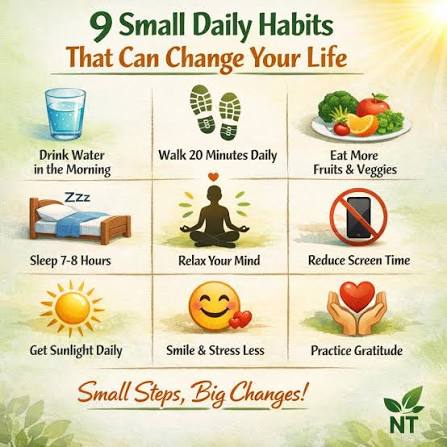
You do not need to change your entire lifestyle in one day. Begin with small improvements, such as waking up regularly, eating nutritious food, exercising, reading, and getting enough sleep.
Remember that every positive habit contributes to personal growth. A healthy routine is not about living a perfect life; it is about making better choices every day and creating a lifestyle that supports your happiness, health, and success.








Comments 0
Sign in to join the conversation.
No comments yet. Be the first to say something.