

Table of Contents
1. Start Your Day with a Streamlined Morning Routine
2. Embrace the Power of the “Two-Minute Rule”
3. Meal Prep Smarter, Not Harder
4. Declutter Your Digital Life
5. Optimize Your To-Do List with the Eisenhower Matrix
7. Create a Home for Everything
8. Master the Art of Batch Processing
9. Build Micro-Habits for Long-Term Gains
10. Prioritize Self-Care to Stay Energized
1. Start Your Day with a Streamlined Morning Routine
A well-structured morning routine sets the tone for the entire day. Rather than hitting snooze and scrambling to get ready, consider preparing for your mornings the night before. Laying out your clothes, packing your bag, and even pre-setting the coffee machine can shave off precious minutes. Morning routines should also incorporate mindfulness or physical activity—even five minutes of stretching or journaling can dramatically improve focus and mental clarity. The key is consistency. By following a set sequence of actions each morning, your brain engages in autopilot mode, reducing decision fatigue and boosting overall efficiency. Many successful professionals attribute a significant part of their productivity to a reliable, energizing start to the day.

2. Embrace the Power of the “Two-Minute Rule”
Popularized by productivity expert David Allen, the “Two-Minute Rule” is a simple yet powerful technique. If a task takes less than two minutes to complete—such as replying to an email, washing a dish, or scheduling an appointment—do it immediately. This prevents minor tasks from accumulating into overwhelming clutter, both mentally and physically. This hack not only boosts your sense of accomplishment but also minimizes procrastination. Over time, these small actions contribute to a cleaner workspace, a clearer inbox, and a calmer mindset. Integrating this rule into daily life helps you take control of minor responsibilities before they snowball into major disruptions.

3. Meal Prep Smarter, Not Harder
Efficient meal prep doesn't mean spending hours in the kitchen every Sunday. The trick lies in batch-cooking versatile staples—grains, proteins, and veggies—that can be mixed and matched throughout the week. Think quinoa bowls on Monday, stir-fry on Wednesday, and a salad wrap on Friday using the same core ingredients. Store items in stackable, labeled containers for easy access. Another tip: designate a “use-it-up” shelf in the fridge to avoid waste and save money. Prepping also includes organizing your grocery list by store layout, reducing shopping time. Smarter meal planning ensures nutritional goals are met, while freeing up mental energy during your busiest hours.
4. Declutter Your Digital Life
Digital clutter can be just as stressful as physical mess. Start by organizing your files into clearly labeled folders, unsubscribing from unnecessary emails, and deleting unused apps. Use tools like cloud storage for backup and digital note-taking apps like Notion or Evernote to centralize your information. Regularly clearing your downloads folder and desktop keeps your digital space tidy, boosting focus and system performance. Consider setting up a daily or weekly schedule to review and clean digital files. This habit promotes efficiency, especially if your work depends on technology. A streamlined digital environment enhances productivity and reduces cognitive overload.

5. Optimize Your To-Do List with the Eisenhower Matrix
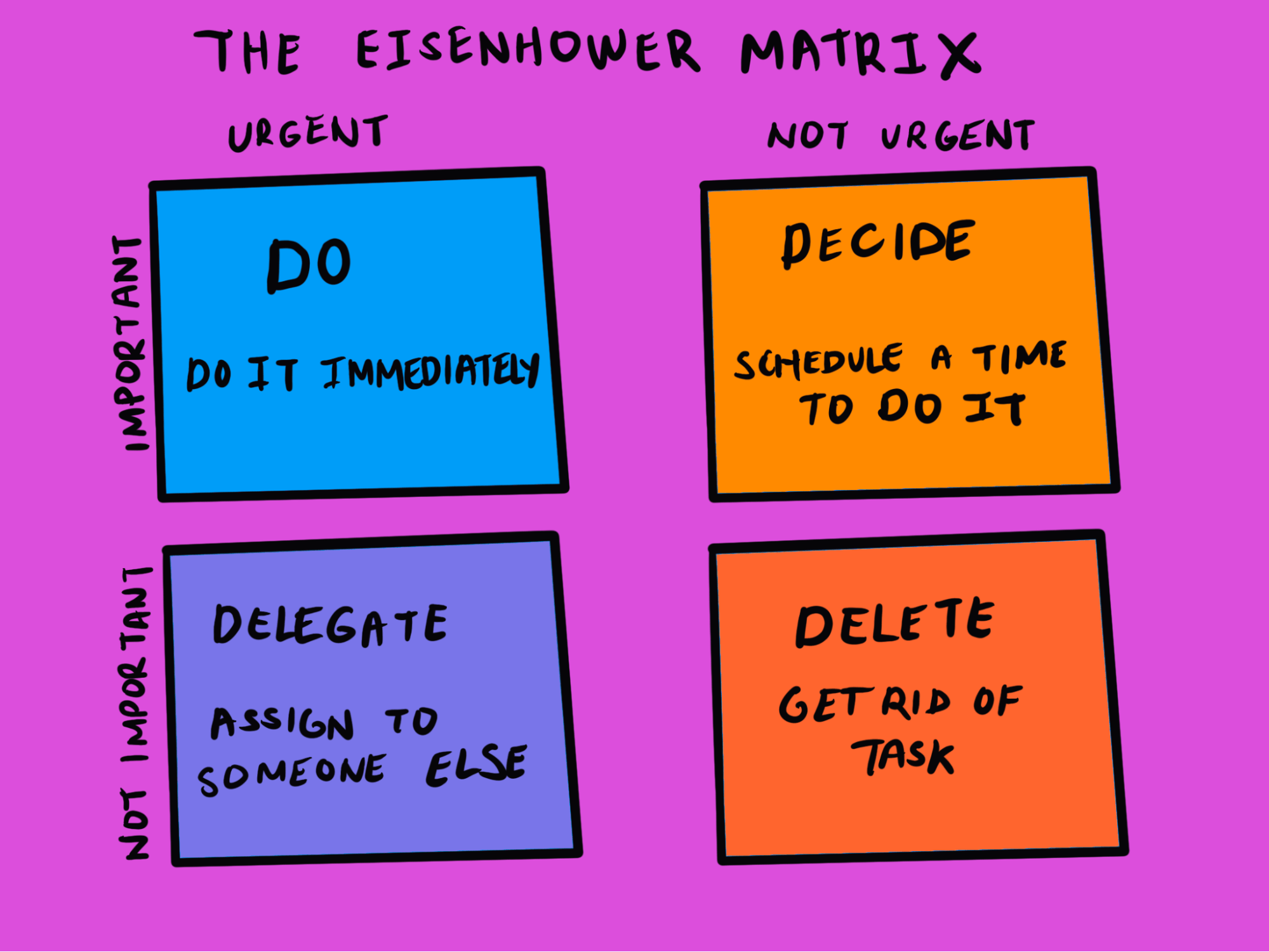
A long to-do list can feel overwhelming unless it’s properly prioritized. Enter the Eisenhower Matrix, a decision-making tool that divides tasks into four quadrants: urgent and important, important but not urgent, urgent but not important, and neither. By categorizing tasks, you can focus on what truly matters and delegate or eliminate time-wasters. Tools like Trello or simple pen and paper can help visualize this structure. This method trains your brain to evaluate task urgency rather than reacting impulsively. Over time, it nurtures a more strategic approach to time management and decision-making, which are essential for both personal and professional success.
6. Automate Repetitive Tasks
Automation is no longer just for tech-savvy professionals. Whether it’s scheduling bills for auto-pay, using smart home devices for lighting and temperature control, or employing browser extensions to autofill passwords and forms, automation simplifies your life. Even apps like IFTTT (If This Then That) or Zapier allow you to create chains of commands across platforms, like saving email attachments directly to cloud storage. Automation minimizes human error and frees up mental bandwidth, allowing you to focus on creative or high-priority tasks. In an age where time is your most valuable asset, automating mundane actions is a modern efficiency essential.

7. Create a Home for Everything
Organization isn’t about being neat for its own sake—it’s about saving time and reducing frustration. Assigning a dedicated space for everyday items like keys, wallets, chargers, and remote controls means you never waste time searching. Label containers, use drawer dividers, and adopt the “one in, one out” rule to prevent clutter. This principle applies to digital items too—keep folders structured and file naming consistent. Having a home for everything fosters discipline and order, which naturally breeds efficiency. Over time, this small habit becomes second nature, making it easier to maintain cleanliness and focus.

8. Master the Art of Batch Processing
Batch processing means grouping similar tasks and completing them in dedicated blocks of time. Rather than answering emails sporadically throughout the day, set aside 20-30 minute windows to address them. Apply the same method to errands, phone calls, or creative work. This reduces task-switching, which drains mental energy and focus. Time blocking, when paired with batching, can dramatically increase your daily output. It also builds momentum and minimizes distractions. Many high-performers swear by this technique as a foundational productivity booster, and it’s applicable across both personal and professional domains.

9. Build Micro-Habits for Long-Term Gains
Large goals often feel intimidating, which leads to inaction. Micro-habits—tiny, consistent actions—bridge the gap between intention and execution. Instead of aiming to read a book a week, start by reading one page a night. Want to start working out? Begin with five push-ups daily. Over time, these habits grow and compound, creating a strong foundation of discipline and success. The brain responds well to achievable tasks, forming reliable neural pathways that lead to habit formation. Micro-habits allow you to sidestep overwhelm while still moving steadily toward your bigger objectives.

10. Prioritize Self-Care to Stay Energized
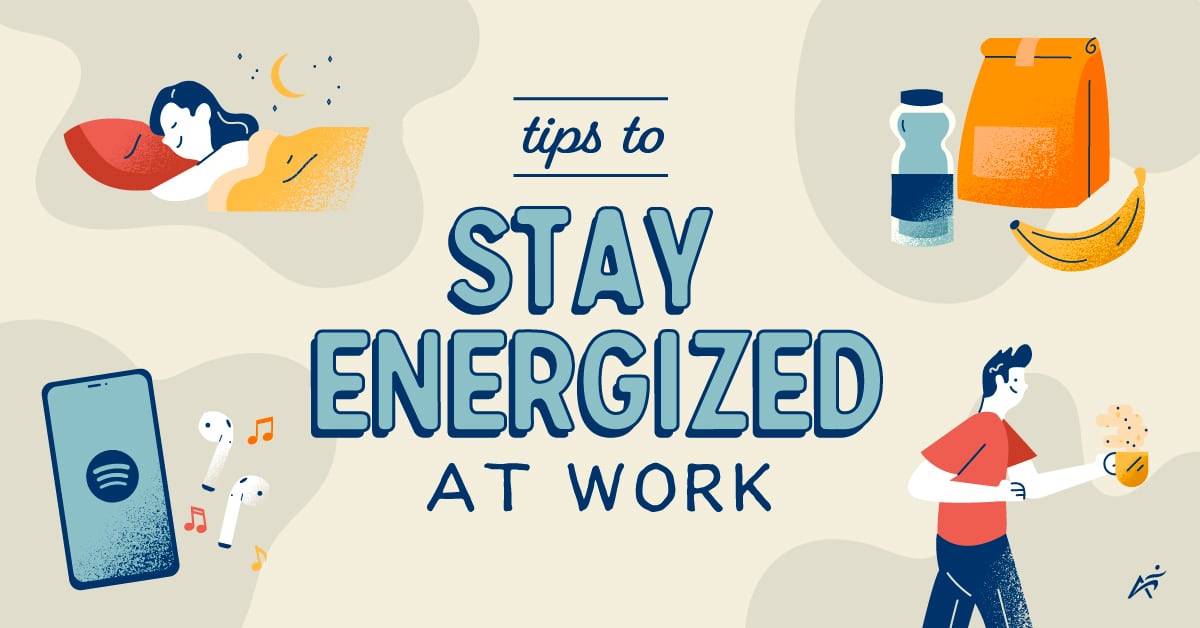
Efficiency isn’t just about doing more—it’s about doing better. That requires rest, nourishment, and emotional well-being. Carve out time for physical activity, maintain healthy eating habits, and ensure quality sleep. Equally important is disconnecting from screens and engaging in activities that recharge your spirit—be it nature walks, journaling, or meaningful conversations. Burnout is the ultimate enemy of productivity. When your mind and body are well-rested, they function at optimal levels, making everything else flow more smoothly. Prioritizing self-care creates a foundation upon which all other life hacks can thrive.









Comments 0
Sign in to join the conversation.
No comments yet. Be the first to say something.