

Introduction
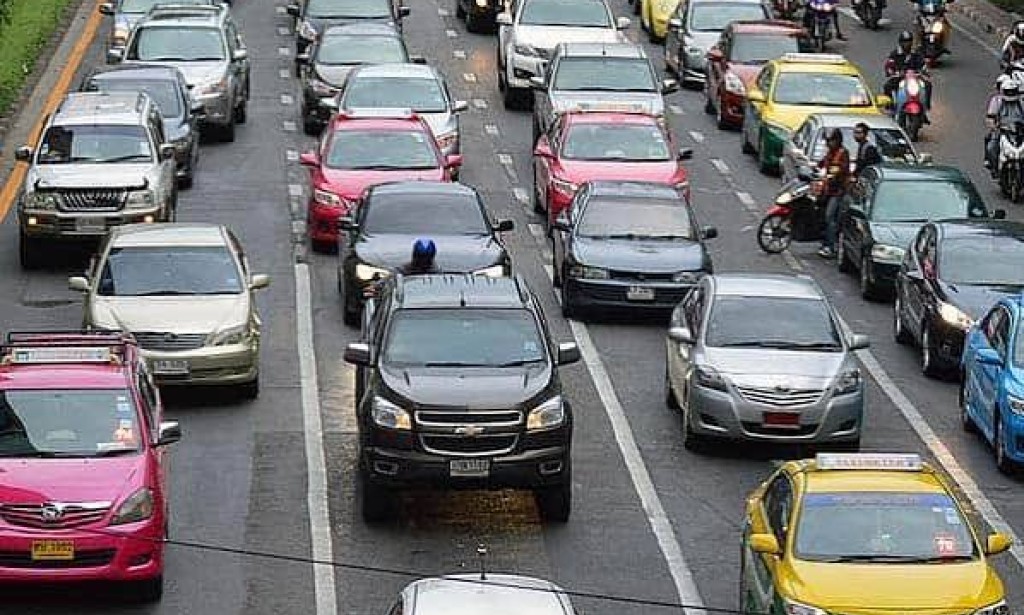
Traffic is an important part of our daily lives. Every day, millions of people travel from one place to another for education, work, business, shopping, and other activities. People use different types of transportation, such as cars, buses, motorcycles, bicycles, rickshaws, and trucks. Traffic helps people reach their destinations, but when roads become crowded, it creates serious problems. Traffic congestion is one of the biggest challenges in modern cities. It wastes time, increases air pollution, causes accidents, and creates stress for drivers and passengers. Therefore, managing traffic properly is necessary for a safe and peaceful society
Meaning of Traffic
Traffic refers to the movement of vehicles, cyclists, and pedestrians on roads. It includes all types of transportation used by people to travel. Traffic is a normal part of city life because people need transportation for their daily activities. However, traffic becomes a problem when too many vehicles use the same roads at the same time. This situation is called traffic congestion or a traffic jam.
Causes of Traffic Problems
There are several reasons behind traffic problems. One major reason is the increasing number of vehicles. Today, many families own cars and motorcycles, which increases the pressure on roads. In large cities, the number of vehicles is growing faster than the development of roads.
Another important cause is poor road management. Some roads are narrow, damaged, or poorly designed. In addition, illegal parking reduces road space and creates difficulties for other drivers.
Lack of awareness about traffic rules is also a major problem. Many people do not follow traffic signals, cross roads carelessly, or drive on the wrong side. Some drivers use mobile phones while driving, which can cause dangerous accidents.
Street vendors, roadside markets, and unauthorized vehicle stands also create difficulties. During busy hours, these activities make roads more crowded and reduce the smooth movement of traffic.
Effects of Traffic Congestion
Traffic congestion affects almost every part of daily life. One of its biggest effects is the waste of time. Students may arrive late at school, employees may miss important meetings, and patients may face delays while travelling to hospitals.
Another serious effect is air pollution. Vehicles release harmful gases and smoke into the atmosphere. These pollutants affect the environment and contribute to poor air quality.
Traffic problems also create mental stress. Drivers become frustrated when they remain stuck in traffic for long periods. Continuous noise from horns creates an uncomfortable environment for people living near busy roads.
Road accidents are another major concern. Careless driving, speeding, and ignoring traffic signals can result in serious injuries and loss of life. Pedestrians, especially children and elderly people, are often at risk when roads are not properly managed.
Traffic Problems in Pakistan
Traffic congestion is a common problem in many cities of Pakistan, including Karachi, Lahore, Hyderabad, and Islamabad. Karachi is one of the largest cities in Pakistan, and thousands of vehicles travel on its roads every day.
During morning and evening hours, many roads become crowded because people travel to offices, schools, colleges, and markets. Sometimes, road construction, illegal parking, and poor traffic management make the situation worse.
Motorcycles, buses, rickshaws, cars, and heavy vehicles share the same roads. When drivers do not follow traffic rules, the chances of accidents increase.
To improve the situation, government departments, traffic police, and citizens must work together.
Importance of Traffic Rules
Traffic rules are necessary for everyone's safety. They guide drivers and pedestrians about how to use roads responsibly.
Some important traffic rules include:
Always follow traffic signals.
Wear a helmet while riding a motorcycle.
Use a seat belt while travelling in a car.
Never drive above the speed limit.
Do not use a mobile phone while driving.
Always use pedestrian crossings.
Avoid wrong-side driving.
Give way to ambulances and emergency vehicles.
Never drive without a valid driving licence.
Follow the instructions of traffic police.
Following these rules can reduce accidents and make travelling safer.
Role of Traffic Police
Traffic police play an important role in controlling traffic. They manage vehicles at busy intersections, guide drivers, and help pedestrians cross roads safely. They also take action against people who break traffic laws.
Traffic police create awareness about road safety and encourage people to follow traffic regulations. Their presence helps maintain discipline on roads. However, traffic management is not only the responsibility of traffic police. Every citizen must cooperate with them.
Solutions to Traffic Problems
There are many ways to reduce traffic congestion. First, the government should improve public transportation systems. Affordable and comfortable buses can encourage people to use public transport instead of private vehicles.
Second, roads should be properly maintained and expanded where necessary. Traffic signals, road signs, pedestrian crossings, and streetlights should be installed in suitable places.
Third, strict action should be taken against people who violate traffic laws. Heavy fines and awareness campaigns can encourage responsible driving.
Fourth, people should avoid unnecessary use of private vehicles. Walking or cycling for short distances can reduce the number of vehicles on roads.
Fifth, proper parking areas should be developed near markets, schools, hospitals, and shopping centres. This will help prevent illegal parking.
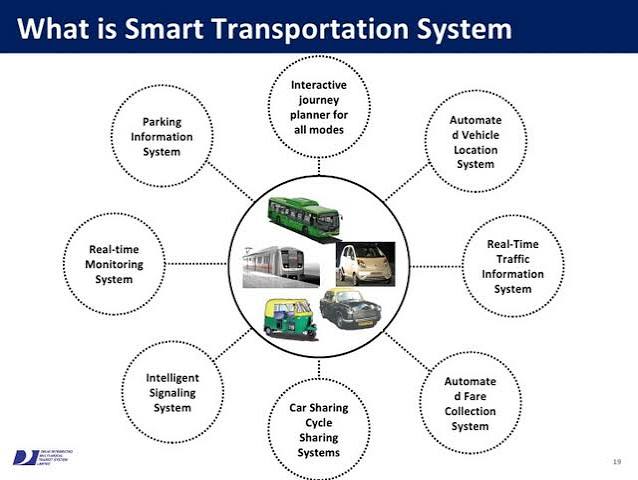
Finally, modern technology can improve traffic management. Cameras, smart signals, and digital monitoring systems can help control traffic more effectively.
Role of Citizens in Traffic Management
Every citizen has a responsibility to make roads safer. Drivers should remain patient and respect other road users. They should never compete with other drivers or use dangerous driving techniques.
Pedestrians should use footpaths and designated crossing areas. Parents should teach children basic road safety rules from an early age.
Students can also play an important role by spreading awareness about traffic rules in their schools, colleges, and communities. Small actions can bring positive changes to society.
Benefits of Better Traffic Management
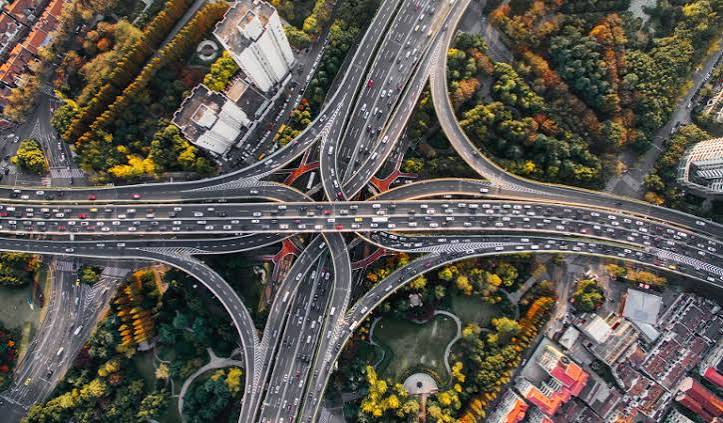
Proper traffic management provides many benefits. It saves people's time, reduces fuel consumption, and decreases air pollution. It also helps emergency vehicles reach hospitals quickly.
Safe roads encourage economic activities because people and goods can travel more easily. Better traffic systems also improve the overall quality of life in cities.
When everyone follows traffic rules, roads become more organized, peaceful, and safe.
Conclusion
Traffic is an essential part of modern life, but traffic congestion has become a serious challenge in many cities. It affects our health, environment, economy, and daily routine. The main causes include increasing vehicles, poor road conditions, illegal parking, and a lack of awareness about traffic rules.
We can solve these problems through better road planning, improved public transportation, strict law enforcement, and public awareness. Both the government and citizens must work together to create a safe traffic system. We should remember that traffic rules are not just regulations; they are important for protecting human lives. A responsible driver and a careful pedestrian can make a big difference. Together, we can make our roads safer, cleaner, and better for everyone.





Comments 0
Sign in to join the conversation.
No comments yet. Be the first to say something.