


https://www.youtube.com/watch?v=YLUZN_VCrFU&pp=ygUTZnJvZW5kc2hpcCAgcXVvdGVzIA%3D%3D
1. Introduction
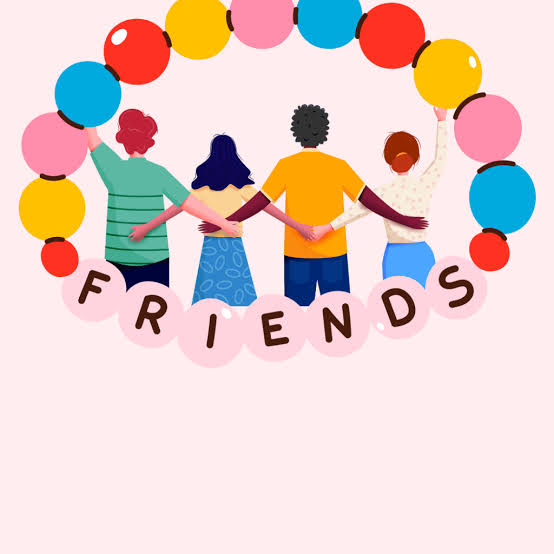
Friendship is one of the most beautiful relationships in human life. Unlike family relationships, which we receive by birth, friendship is a bond that we build through trust, understanding, kindness, and shared experiences. A true friend makes life more meaningful by sharing our happiness, supporting us during difficult moments, and encouraging us to become better individuals.
Life becomes more enjoyable when we have someone who listens to our thoughts without judging us. Friends bring laughter into ordinary days and comfort during challenging times. They understand our feelings, celebrate our achievements, and remind us that we are not alone.
However, true friendship is not only about spending time together or sharing photographs on social media. It is about loyalty, honesty, respect, and standing beside someone when life becomes difficult.
2. What Is True Friendship?
True friendship is a relationship built on mutual trust, respect, and emotional connection. A real friend accepts us with our strengths and weaknesses. They do not expect us to be perfect because they understand that everyone makes mistakes.
A genuine friend does not disappear when problems arise. Instead, they try to understand the situation and offer support whenever possible.
True friendship also allows people to express their opinions honestly. Friends may disagree with each other, but they should communicate respectfully and avoid hurting one another intentionally.
The beauty of friendship is that it allows two different individuals to develop a meaningful connection through shared values and understanding.
3. The Importance of Friends in Our Lives
Friends play an important role in our personal and social development. They help us understand different perspectives, improve communication skills, and develop confidence.
During childhood and teenage years, friendships often help individuals learn teamwork, cooperation, sharing, and responsibility.
In adulthood, friends can become an important source of emotional support. They may provide advice about education, careers, relationships, and personal challenges.
A good friendship can also make ordinary moments memorable. Simple activities such as walking together, drinking tea, discussing dreams, or sharing jokes can create beautiful memories.

4. A True Friend Stands Beside You in Difficult Times
The real meaning of friendship becomes clear during difficult situations. Anyone can celebrate with us when everything is going well, but a true friend also supports us when life becomes challenging.
A genuine friend listens when we feel stressed, encourages us after failure, and reminds us of our strengths when we lose confidence.
Sometimes, a person does not need advice or solutions. They simply need someone who listens and understands their feelings.
A small message, a caring conversation, or a few encouraging words can make a difficult day easier.
True friendship is not measured by the number of meetings or messages. It is measured by the sincerity of support and the strength of the connection.
5. Trust Is the Foundation of Friendship
Trust is one of the most important elements of every successful friendship. Without trust, it becomes difficult to share personal thoughts, feelings, and experiences.
Friends should respect each other's privacy and avoid sharing confidential information with others.
Breaking someone's trust can damage a relationship and create emotional distance. Therefore, honesty and responsibility are necessary for maintaining a healthy friendship.
Trust takes time to develop, but it can be lost through careless actions. Good friends understand the importance of keeping promises and communicating honestly.
6. The Role of Friendship in Mental and Emotional Well-Being
Healthy friendships can positively influence emotional well-being. Having supportive people around us can reduce feelings of loneliness and help us manage everyday stress.
Friends provide opportunities to laugh, communicate, share experiences, and express emotions.
For example, when students face examination pressure, supportive friends can motivate them to study and remain confident. Similarly, adults dealing with professional challenges may feel encouraged after talking with a trusted friend.
However, friendships should be balanced. People also need personal space, independent interests, and time for themselves.
7. Different Types of Friends
Not every friendship is the same. People develop different kinds of friendships throughout their lives.
Childhood Friends: These friends share early memories, school experiences, games, and unforgettable moments.
School Friends: School friends often become part of our educational journey. They share classroom activities, examinations, competitions, and daily experiences.
Best Friends: A best friend is someone with whom we share a strong emotional connection. They often understand our feelings and personalities deeply.
Professional Friends: These are people we meet through workplaces, careers, and professional activities. They can provide guidance, cooperation, and encouragement.
Every type of friendship can add something valuable to our lives.
8. Friendship in the Age of Social Media
Modern technology has changed the way people maintain friendships. Social media applications allow friends to communicate even when they live in different cities or countries.
People can share photographs, send messages, make video calls, and celebrate special occasions online.
However, online communication does not always represent genuine friendship. Having hundreds of online contacts does not necessarily mean having meaningful relationships.
Some friendships become stronger through technology, while others remain limited to likes and comments.
People should focus on meaningful communication rather than measuring friendship through followers, messages, or online popularity.
9. Signs of a Good Friend
A good friend demonstrates positive qualities through actions and behaviour.
A trustworthy friend keeps personal information private and respects boundaries. An honest friend tells the truth politely instead of encouraging harmful decisions.
A supportive friend celebrates your success without jealousy. A caring friend notices when something is wrong and offers help.
Most importantly, a good friend respects your individuality. They do not force you to change your personality or make decisions against your values.
Friendship should create happiness, confidence, and mutual respect rather than fear, pressure, or unnecessary competition.
10. How to Maintain a Strong Friendship
Maintaining a meaningful friendship requires effort from both individuals.
First, communicate regularly and honestly. Do not allow small misunderstandings to become major problems.
Second, respect each other's time and personal responsibilities. Friends may become busy with education, careers, or family commitments, but this does not necessarily mean they have stopped caring.
Third, appreciate small gestures and celebrate each other's achievements.
Finally, learn to forgive reasonable mistakes while maintaining healthy boundaries. No friendship is perfect, but mutual understanding can make relationships stronger.
11. Why Friendship Memories Are Special
Some of the happiest memories of life are connected with friends. School activities, birthday celebrations, long conversations, funny mistakes, and unexpected adventures often become stories that we remember for years.
Even when people move to different places or follow different careers, these memories remain meaningful.
Sometimes, a simple photograph or an old message can bring back beautiful moments from the past.
Friendship teaches us that happiness does not always come from expensive things or extraordinary achievements. Sometimes, the best moments are created through simple experiences with the right people.
Conclusion
Friendship is a precious gift that makes life more beautiful and meaningful. True friends provide emotional support, encourage personal growth, share happiness, and help us overcome difficult situations.
A strong friendship is built on honesty, loyalty, trust, understanding, and respect. It requires effort, patience, and care from both sides.
We should appreciate genuine friends and never take their presence for granted. A true friend is not someone who is present only during happy moments but someone who continues to care when life becomes difficult.
In the end, life is not about having thousands of friends. It is about having a few genuine people who make your world brighter simply by being part of it.







Comments 0
Sign in to join the conversation.
No comments yet. Be the first to say something.