


1. Introduction to Bandwidth in Web Hosting
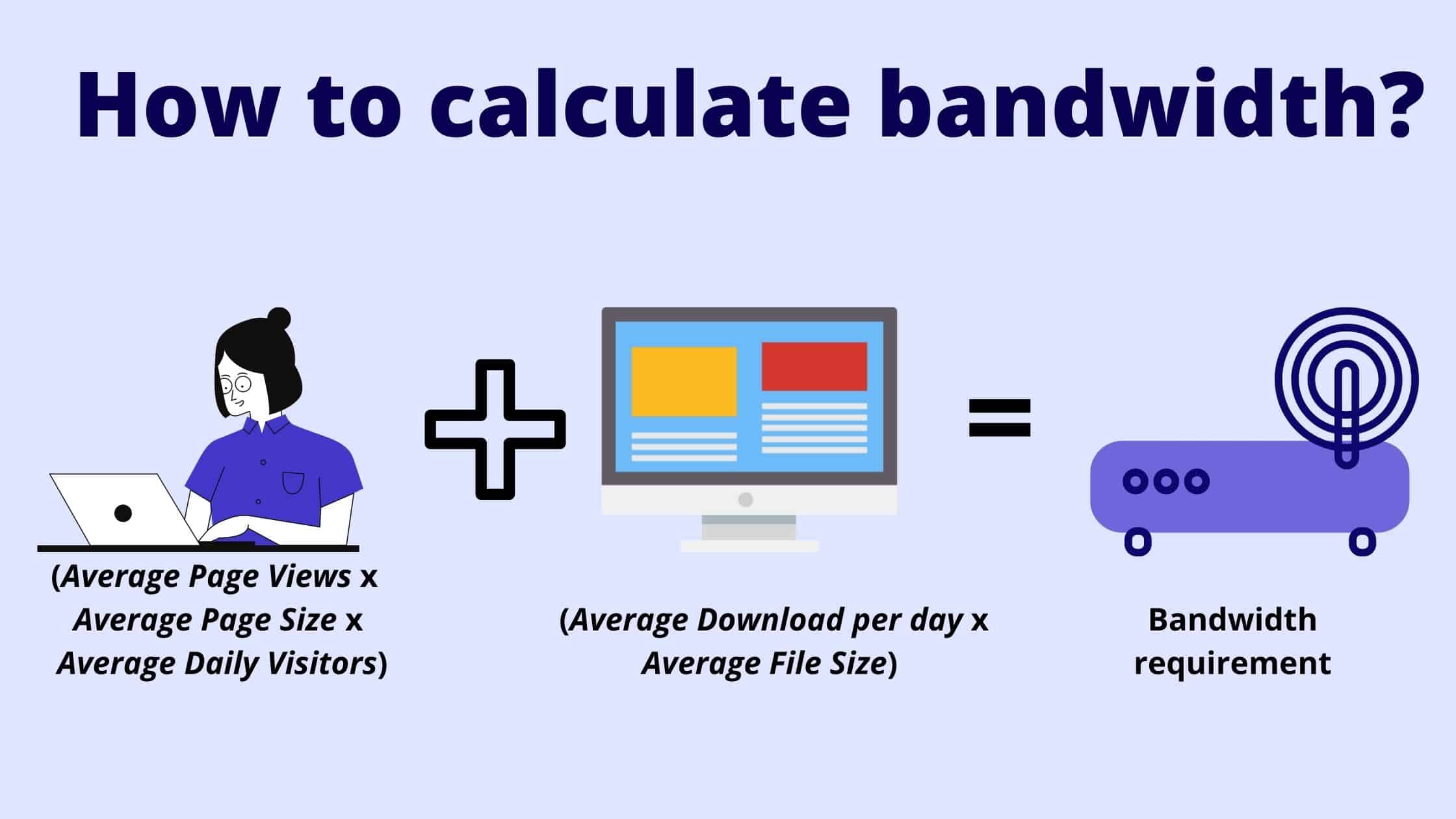
Bandwidth refers to the amount of data transferred between a website and its visitors over a specific period, usually measured in gigabytes (GB) or terabytes (TB) per month. It affects how quickly pages load and how many users a website can handle simultaneously.
Hosting providers allocate bandwidth based on their pricing tiers, and exceeding the limit may result in additional charges, reduced speed, or service suspension. Understanding bandwidth policies is essential to ensure seamless website performance.
2. Types of Bandwidth Plans
Hosting providers typically offer different bandwidth plans to cater to various website needs:
- Fixed Bandwidth Plans – A set limit (e.g., 50GB/month) with overage fees if exceeded.
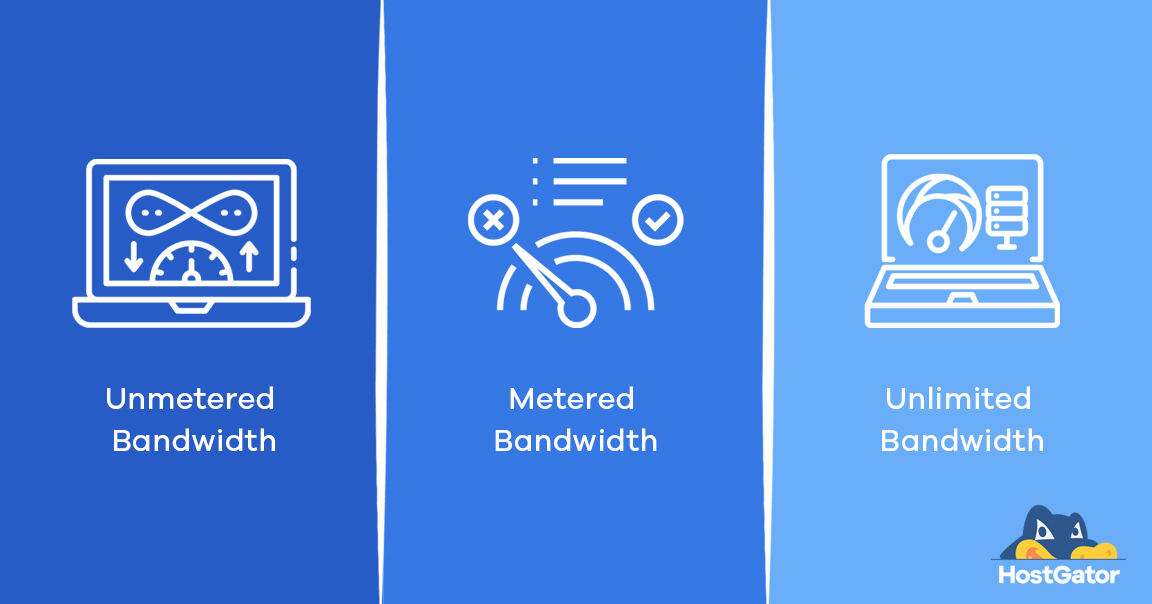
- Metered Bandwidth – Pay-as-you-go based on actual usage, often used in cloud hosting.
- Unmetered Bandwidth – No strict limits, but speeds may be controlled during peak times.
- Unlimited Bandwidth – Often subject to fair usage policies, meaning there are hidden soft limits.
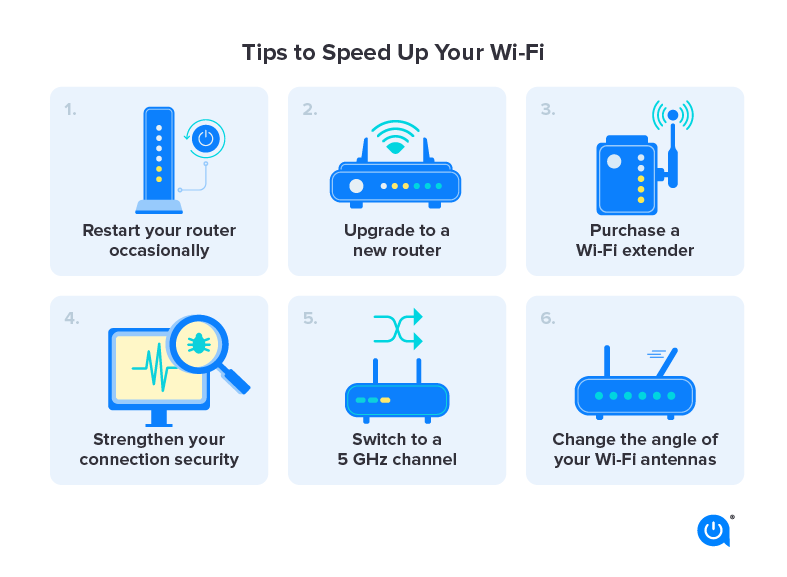
Choosing the right plan depends on the website’s traffic volume and content type (e.g., videos require more bandwidth than static pages).
3. Bandwidth Limits and Fair Usage Policies
Even when a provider offers "unlimited" bandwidth, fair usage policies (FUPs) often apply. These policies prevent a single user from consuming excessive resources that could impact others on a shared server.
Typical FUP restrictions include:
- Soft limits – Websites exceeding "reasonable" usage may experience slower speeds.
- Resource allocation adjustments – Providers may restrict high-bandwidth websites to maintain server stability.
- Hidden caps – Some unlimited plans throttle bandwidth after a specific threshold.
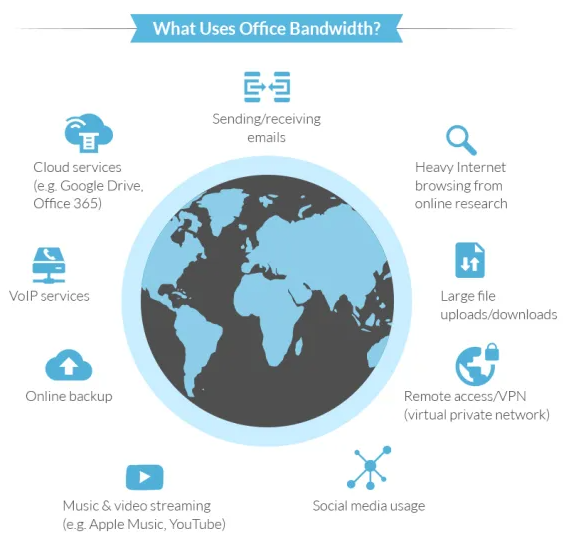
Reading the fine print of a hosting provider’s bandwidth policy prevents unexpected slowdowns or service interruptions.
4. Bandwidth Throttling and Overage Charges
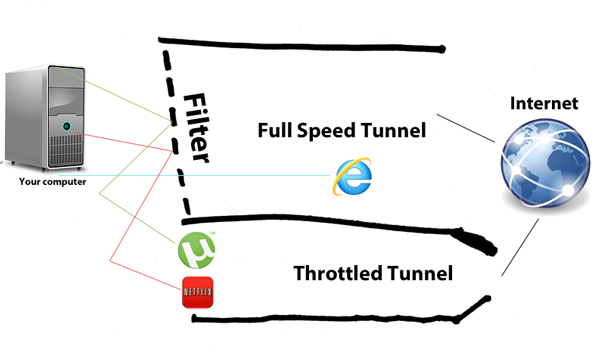
Bandwidth throttling occurs when a provider intentionally slows down data transfer rates after reaching a set usage threshold. This is common in:
- Shared hosting plans where multiple users share resources.
- Budget hosting services with low-cost unlimited bandwidth plans.
- Cloud hosting with pay-as-you-go models to prevent excessive consumption.
On the other hand, some providers charge for overages, meaning users must pay for additional bandwidth once they exceed their plan’s limit. Overage costs vary, but can be expensive if not monitored.
5. Unmetered vs. Unlimited Bandwidth: Key Differences
Many hosting providers use "unmetered" and "unlimited" bandwidth interchangeably, but they have distinct meanings:
| Feature | Unmetered Bandwidth | Unlimited Bandwidth |
|---|---|---|
| Definition | No strict cap, but speed limits apply | No explicit limit, but subject to fair usage policies |
| Best For | Growing websites that require flexibility | Small to medium-sized sites with moderate traffic |
| Potential Downsides | Slower speeds at peak times | Soft limits that may not be disclosed upfront |
Understanding these differences helps website owners select the most suitable bandwidth plan.
6. How to Optimize Bandwidth Usage for Better Performance
To ensure efficient bandwidth usage and prevent throttling, consider the following strategies:
- Enable caching – Use browser and server-side caching to reduce redundant data transfers.
- Optimize images – Compress images to lower file sizes without compromising quality.
- Use Content Delivery Networks (CDNs) – Distribute content across global servers to reduce bandwidth strain.
- Minimize HTTP requests – Reduce the number of elements loaded per page (e.g., scripts, images).
- Monitor bandwidth usage – Regularly check hosting control panel analytics to track consumption trends.






Comments 0
Sign in to join the conversation.
No comments yet. Be the first to say something.