


Table of Contents
- SSL Certificates for Data Encryption
- Web Application Firewall (WAF)
- DDoS Protection
- Regular Malware Scanning and Removal
- Automated and Secure Backups
- Secure File Transfer Protocol (SFTP)
- Two-Factor Authentication (2FA)
- Server Monitoring and Intrusion Detection
- Secure Data Centers and Physical Security
- 24/7 Security Support and Incident Response
1. SSL Certificates for Data Encryption
An SSL (Secure Sockets Layer) certificate is a fundamental security feature for any website. It encrypts data transmitted between users and your web server, protecting sensitive information such as login credentials, personal details, and payment data.
Key benefits of SSL certificates include:
- Data Encryption: Prevents hackers from intercepting sensitive information.
- SEO Advantage: Google prioritizes HTTPS-enabled websites in search rankings.
- Enhanced Trust: Users see a padlock icon in the browser, indicating a secure connection.
A reliable hosting provider should include SSL certificates as part of their security package to ensure safe and encrypted communication.
2. Web Application Firewall (WAF)
A Web Application Firewall (WAF) filters and monitors incoming traffic to protect against malicious activity. It prevents common cyber threats such as:
- SQL Injection: Attackers manipulate databases to steal data.
- Cross-Site Scripting (XSS): Malicious scripts inject harmful code into websites.
- Zero-Day Exploits: Blocks new, unpatched vulnerabilities.
A good hosting provider integrates WAF to block unauthorized access and suspicious requests before they reach your website.

3. DDoS Protection
Distributed Denial of Service (DDoS) attacks flood a website with excessive traffic, causing slowdowns or complete outages. A hosting provider should offer:
- Traffic Filtering: Identifies and blocks abnormal traffic patterns.
- Rate Limiting: Prevents excessive requests from overwhelming the server.
- Cloud-Based Mitigation: Absorbs large-scale attacks before they reach the server.
DDoS protection ensures that your website remains accessible even under attack.
4. Regular Malware Scanning and Removal
Malware infections can compromise website security, steal sensitive data, and damage reputation. A secure hosting provider should provide:
- Daily Malware Scans: Detects hidden threats before they cause harm.
- Automatic Removal: Eliminates malware to prevent reinfection.
- Blacklisting Prevention: Ensures search engines do not block your website.
Regular malware scanning is essential to keeping your website secure and functional.
5. Automated and Secure Backups
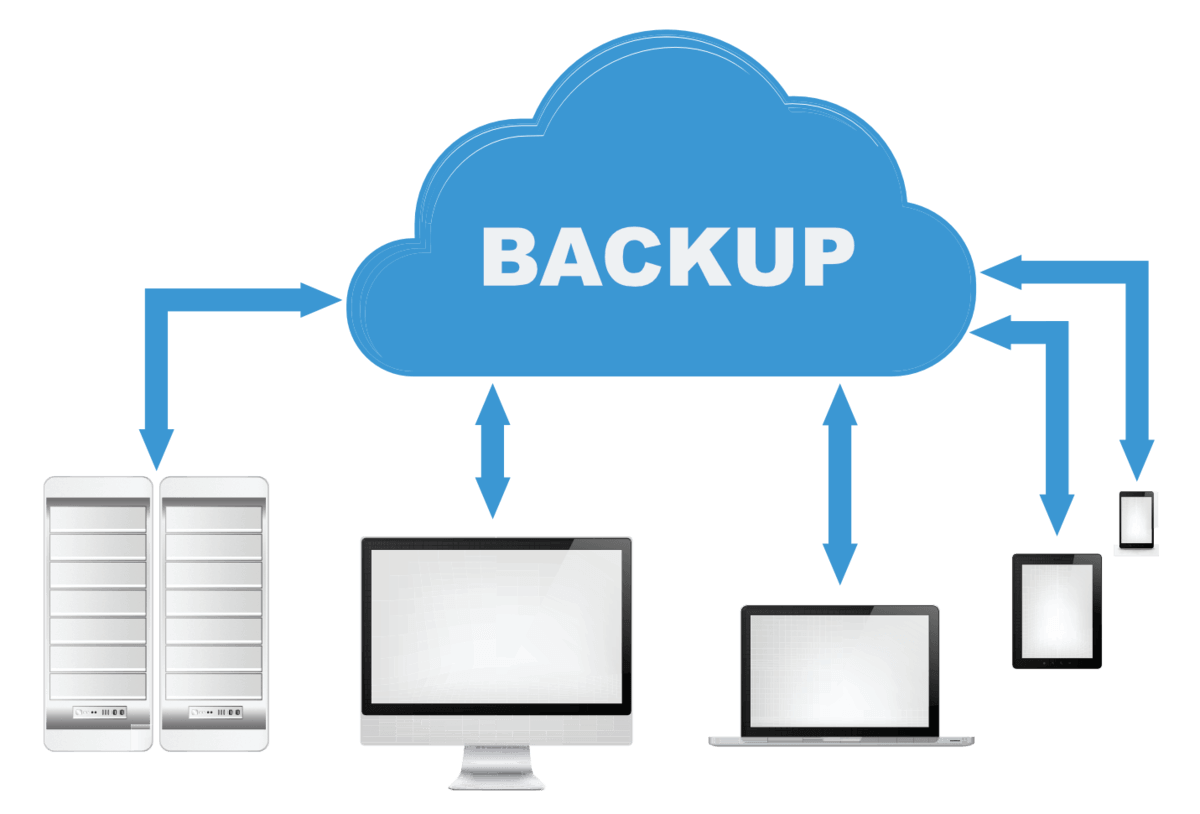
Website data loss can occur due to cyberattacks, hardware failures, or accidental deletion. A reliable hosting provider should offer:
- Daily Backups: Ensures data recovery in case of an emergency.
- Offsite Backup Storage: Protects against physical server failures.
- Easy Restoration: Allows quick recovery of lost or corrupted files.
Backups provide an essential safety net for your website’s data security.
6. Secure File Transfer Protocol (SFTP)
SFTP (Secure File Transfer Protocol) ensures secure file transfers between your computer and the server. It prevents:
- Unauthorized Access: Encrypts file transfers to block hackers.
- Data Interception: Protects sensitive website files from being tampered with.
- Secure Authentication: Requires username and password encryption.
A hosting provider that supports SFTP helps maintain the integrity of your website’s files.

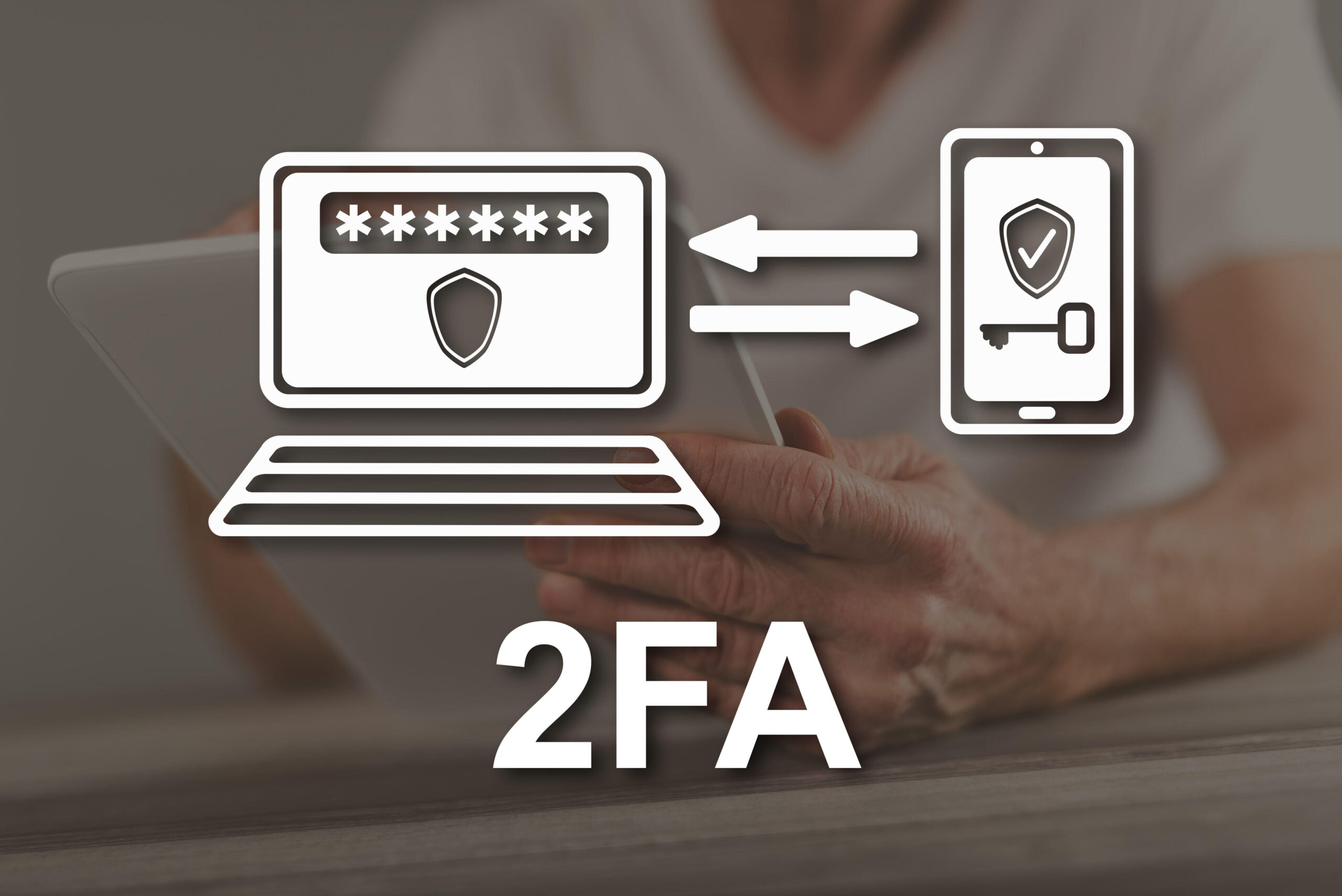
7. Two-Factor Authentication (2FA)
Two-Factor Authentication (2FA) adds an extra layer of security by requiring a second form of verification beyond just a password. This prevents:
- Unauthorized Logins: Protects against compromised credentials.
- Brute Force Attacks: Stops attackers from guessing passwords.
- Account Hijacking: Adds an additional security step when logging in.
Hosting providers offering 2FA for account access significantly reduce security risks.
8. Server Monitoring and Intrusion Detection
A secure hosting provider should have 24/7 server monitoring and Intrusion Detection Systems (IDS) to:
- Detect Suspicious Activity: Identifies hacking attempts in real-time.
- Prevent Unauthorized Access: Blocks potential breaches before they occur.
- Ensure Uptime and Performance: Reduces downtime due to security threats.
Continuous monitoring helps keep your website safe from evolving cyber threats.

9. Secure Data Centers and Physical Security
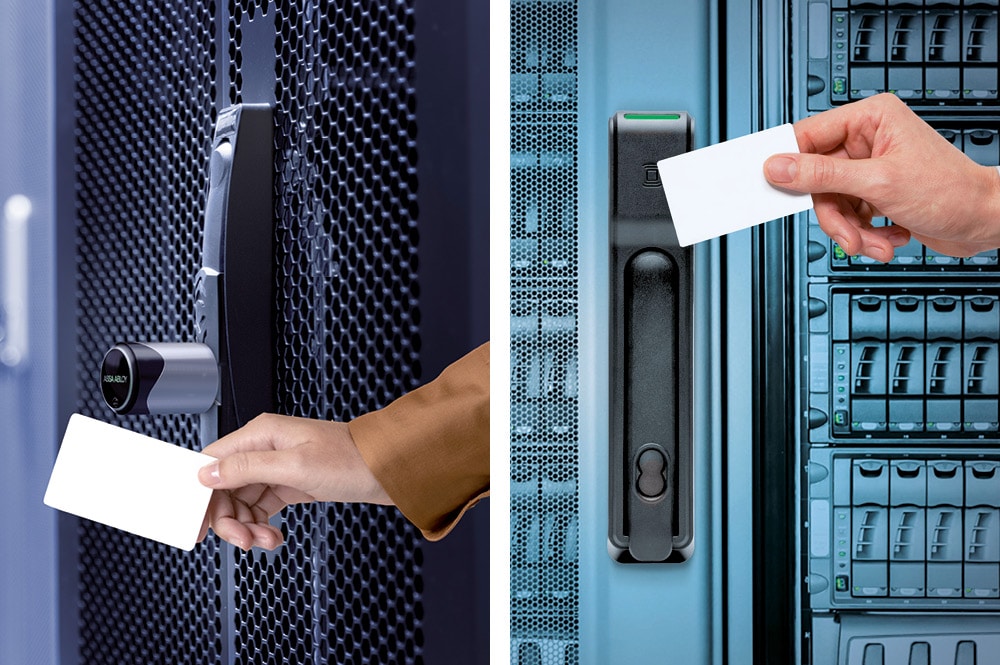
Beyond digital security, the physical security of data centers is just as important. Look for hosting providers that offer:
- Biometric Access Controls: Prevents unauthorized entry.
- 24/7 Surveillance: Monitors for suspicious activity.
- Disaster Recovery Plans: Ensures data safety in case of emergencies.
A secure data center ensures that your website’s infrastructure remains protected.
10. 24/7 Security Support and Incident Response
No security system is foolproof, so having access to expert support is crucial. A reputable hosting provider should offer:
- 24/7 Security Assistance: Immediate response to security incidents.
- Threat Resolution: Quick identification and removal of cyber threats.
- Proactive Security Measures: Prevents future attacks through regular updates.
Reliable support can mean the difference between a minor issue and a major security breach.

Conclusion
Choosing a web hosting provider with strong security features is essential for protecting your website from cyber threats. From SSL certificates and firewalls to DDoS protection and 24/7 monitoring, these ten features help safeguard your business from hackers, data breaches, and downtime.
Investing in a secure web hosting provider ensures your website remains protected, trustworthy, and operational at all times.






Comments 0
Sign in to join the conversation.
No comments yet. Be the first to say something.