

Why Drinking Water the “Wrong Way” Is Making You Tired All Day
Introduction: You’re Drinking Water… So Why Are You Still Tired?
You drink eight glasses a day.
You carry a water bottle everywhere.
You avoid soda and sugary drinks.
Yet by 2 PM, your brain feels foggy, your eyelids feel heavy, and your energy crashes hard.
What if the problem isn’t how much water you drink — but how you drink it?
Hydration is more complex than simply sipping throughout the day. The timing, speed, temperature, electrolyte balance, and even what you drink water with can dramatically affect your energy levels.
In this in-depth guide, you’ll discover:
Why overhydration can make you feel exhausted
How chugging water stresses your body
The hidden electrolyte mistake most people make
When to drink water for maximum energy
How to “reset” your hydration habits for all-day focus
Let’s break the myth of “just drink more water” — and fix the fatigue at its root.
The Hidden Link Between Hydration and Energy
Your body is about 60% water. But hydration isn’t just about volume — it’s about cellular balance.
Water plays a role in:
Oxygen delivery
Blood circulation
Brain function
Hormone balance
Muscle contraction
Detoxification
When hydration is off — even slightly — your body compensates. And that compensation costs energy.
Even mild dehydration (1–2% fluid loss) can cause:
Brain fog
Headaches
Slower reaction time
Mood dips
Fatigue
But here’s the twist: overhydration can cause similar symptoms.
What Does “Drinking Water the Wrong Way” Actually Mean?
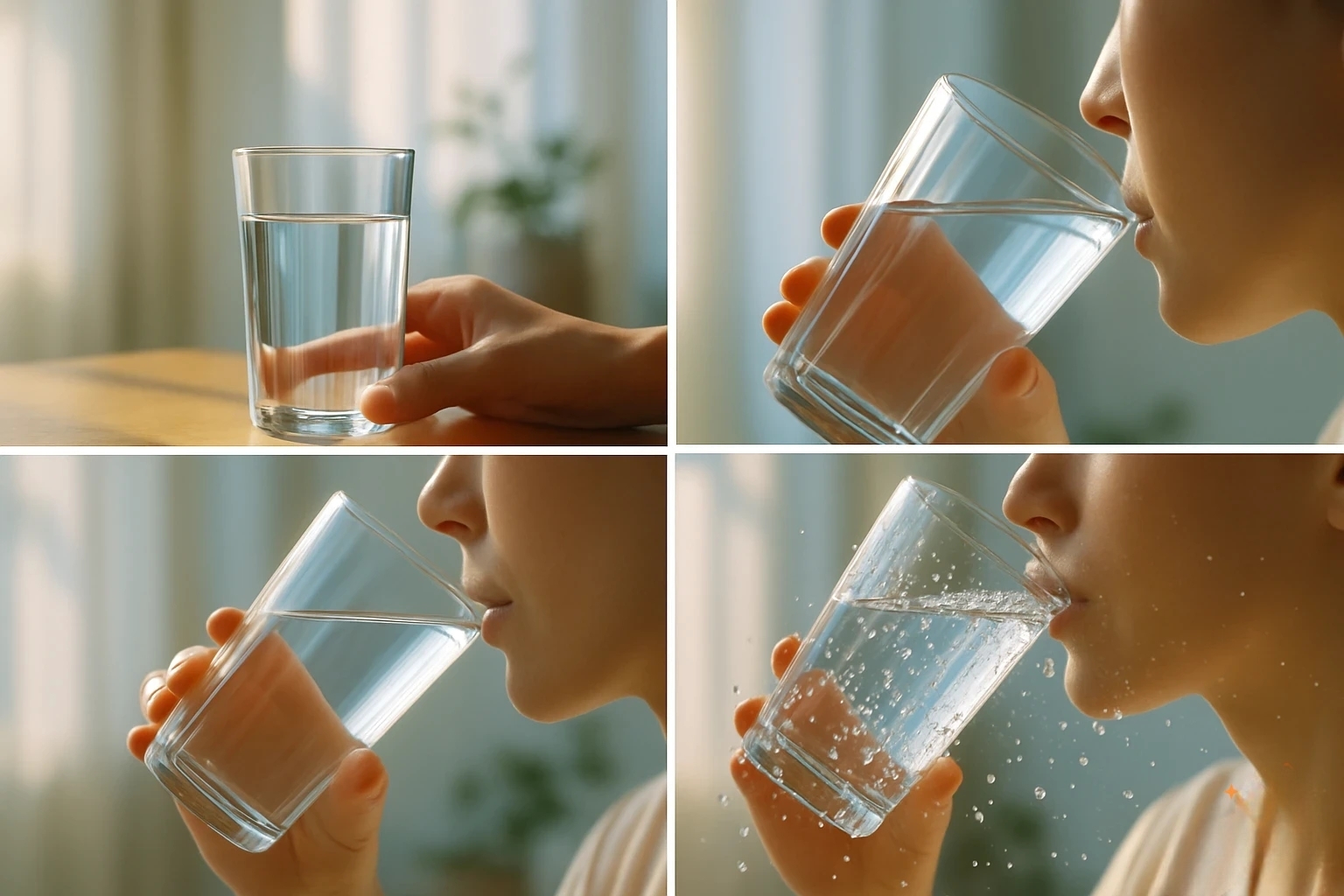
It usually looks like one (or more) of these habits:
Chugging large amounts at once
Drinking too much without electrolytes
Waiting until extremely thirsty
Drinking excessive water at night
Replacing meals with water
Ignoring sodium and mineral balance
Drinking ice-cold water during stress
Each one affects your energy differently.
Let’s explore how.
The Energy Crash After Chugging Water
Why Gulping Water Overloads Your System
When you drink a large amount quickly:
Your stomach stretches suddenly
Blood flow shifts toward digestion
Your kidneys work overtime
You urinate more frequently
Electrolytes get diluted
This can trigger temporary fatigue and brain fog.
Your body prefers gradual hydration. Sudden intake forces it into regulation mode — which consumes energy.
The Dilution Effect
Drinking too much plain water without minerals can dilute sodium levels in the blood — a condition called hyponatremia.
While severe cases are rare, mild dilution can cause:
Headaches
Confusion
Lethargy
Weakness
Your brain depends on sodium balance for nerve signals. Disrupt it — and your mental energy drops.
Overhydration — The Fatigue Nobody Talks About
We hear constantly about dehydration. But overhydration is rarely discussed.
Signs You May Be Drinking Too Much Water
Clear urine all day
Urinating every 30–60 minutes
Waking up multiple times at night
Feeling bloated
Persistent low energy
Salt cravings
If your urine is completely clear constantly, you may be flushing out essential minerals.
The Electrolyte Mistake That Drains Energy
Water alone doesn’t hydrate cells efficiently. Electrolytes help water enter cells where energy is produced.
Key electrolytes:
Sodium
Potassium
Magnesium
Calcium
Without them, water can pass through your system without fully hydrating tissues.
Why Low Sodium Can Make You Tired
Sodium helps regulate:
Blood pressure
Nerve signals
Muscle contractions
Fluid balance
Too little sodium (especially if you sweat, exercise, or drink excessive water) can cause:
Lightheadedness
Brain fog
Muscle weakness
Fatigue
Balance matters.
Drinking Water at the Wrong Time
Timing hydration correctly can prevent energy dips.
Drinking Too Much First Thing in the Morning
After waking, your body is slightly dehydrated — but chugging 1 liter immediately can:
Spike urination
Lower blood sodium
Trigger a mid-morning crash
Instead, sip gradually.
Drinking Excessive Water Before Bed
Nighttime overhydration:
Disrupts sleep
Causes multiple awakenings
Reduces deep sleep cycles
Poor sleep = daytime fatigue.
Drinking During Meals in Excess
Large volumes during meals may:
Dilute stomach acid
Slow digestion
Cause bloating
Sluggish digestion can lead to post-meal tiredness.
Cold Water and Stress Hormones
Ice-cold water can stimulate a stress response in sensitive individuals.
When stressed:
Blood vessels constrict
Digestion slows
Cortisol may rise
For some people, especially those already fatigued, room-temperature water supports smoother hydration.
The Blood Sugar Connection
Some people replace hunger with water.
If you delay meals repeatedly:
Blood sugar drops
Cortisol rises
Energy plummets
Hydration cannot replace nutrition.
Water supports energy — it doesn’t create it.
The 5 Most Common Hydration Mistakes That Cause Fatigue
Drinking without electrolytes
Chugging large amounts at once
Ignoring sodium intake
Overhydrating before bed
Using water to suppress hunger
Fixing these alone can transform daily energy.
How to Drink Water the Right Way for All-Day Energy
1. Start with a Moderate Morning Reset
Instead of chugging:
Drink 250–400 ml upon waking
Add a pinch of sea salt if needed
Sip slowly over 10–15 minutes
2. Follow the “Steady Sip” Rule
Aim for consistent intake:
150–250 ml every 60–90 minutes
Increase during exercise or heat
Reduce before bedtime
3. Add Electrolyte Support When Needed
Especially if you:
Exercise heavily
Sweat frequently
Drink more than 3 liters daily
Follow low-carb diets
Natural options:
Coconut water
Mineral water
Homemade electrolyte mixes
4. Watch Your Urine Color
Ideal color: pale straw yellow.
Too dark = dehydrated.
Crystal clear all day = possibly overhydrated.
5. Pair Hydration With Nutrition
Water works best alongside:
Balanced meals
Adequate protein
Healthy fats
Micronutrients
Energy is a team effort.
How Much Water Do You Actually Need?
The “8 glasses a day” rule isn’t universal.
Hydration needs vary based on:
Body weight
Climate
Activity level
Diet
Hormonal health
Caffeine intake
A better general guide:
30–35 ml per kilogram of body weight
Adjust based on sweat and thirst.
Special Considerations
If You Drink Coffee
Caffeine has mild diuretic effects in sensitive individuals.
Match each cup with extra fluids — but not excessively.
If You Exercise Daily
Sweat loss increases sodium loss.
Consider adding electrolytes, not just water.
If You Feel Tired Despite Drinking Enough
Consider other causes:
Iron deficiency
Thyroid imbalance
Poor sleep
Chronic stress
Blood sugar instability
Hydration is foundational — but not the only factor.
The Science of Cellular Hydration and ATP
Energy is produced in mitochondria as ATP.
For ATP production:
Cells need proper fluid balance
Sodium-potassium pumps must function
Electrolytes must be stable
Too little or too much water disrupts cellular efficiency.
Balanced hydration supports optimal energy metabolism.
A Simple 7-Day Hydration Reset Plan
Day 1–2:
Track intake and urine color.
Day 3–4:
Reduce chugging. Sip steadily.
Day 5:
Add electrolytes if needed.
Day 6:
Cut off large water intake 2 hours before bed.
Day 7:
Evaluate energy levels.
Many people notice improved:
Mental clarity
Fewer bathroom trips
Better sleep
More stable energy
Signs Your Hydration Is Finally Balanced
Stable energy through afternoon
Fewer headaches
Better digestion
Improved workout performance
More consistent mood
Small adjustments. Big impact.
Conclusion: Hydration Is About Balance, Not Quantity
Drinking water is essential.
But drinking it mindlessly can backfire.
If you’ve been tired all day despite “doing everything right,” your hydration habits might be the missing piece.
Remember:
Sip, don’t chug
Balance electrolytes
Time intake wisely
Don’t replace food with water
Monitor your body’s signals
Hydration done right doesn’t just quench thirst — it fuels focus, mood, and momentum.
Fix the way you drink water…
And you may fix your energy for good.

You must be logged in to post a comment.