


In today’s digital age, cybersecurity has become a critical aspect of our daily lives. It refers to the practice of protecting computers, networks, devices, and data from malicious attacks, unauthorized access, and damage. Cybersecurity involves a combination of technologies, processes, and practices designed to safeguard digital systems and information from threats such as hacking, malware, ransomware, phishing, and data breaches. As the world becomes increasingly interconnected, the importance of cybersecurity cannot be overstated.

Why is Cybersecurity Important?
Cybersecurity ensures the protection of sensitive data, preventing unauthorized access and misuse of personal and corporate information. Without proper protection, sensitive data can be exploited, leading to identity theft, financial fraud, and other serious consequences. Additionally, it helps in the prevention of financial losses, as cyberattacks can cripple businesses through ransomware, costly data breaches, and legal liabilities. Ensuring cybersecurity safeguards financial assets and protects organizations from potential disruptions.
Another crucial aspect is safeguarding national security, as cyber threats pose significant risks to critical infrastructure such as power grids, healthcare systems, and transportation networks. A breach in these areas could have catastrophic consequences for national stability and public safety. Moreover, cybersecurity plays a vital role in maintaining business continuity, as cyberattacks can damage a company’s reputation and erode customer trust. Organizations with strong cybersecurity frameworks are better prepared to handle threats and recover efficiently from cyber incidents.
With the increasing number of regulatory requirements, governments have introduced stringent data protection laws such as GDPR and CCPA to ensure privacy and security. Compliance with these regulations is essential for businesses to avoid legal penalties and maintain customer trust. Furthermore, the rise of remote work and IoT devices has expanded the attack surface for cybercriminals, making cybersecurity even more critical in protecting vulnerable endpoints and ensuring secure connectivity.

Key Cybersecurity Measures
To combat evolving cyber threats, individuals and organizations must adopt proactive cybersecurity strategies, including encryption to protect data, multi-factor authentication (MFA) for added security, regular software updates to patch vulnerabilities, employee training to prevent phishing attacks, and incident response plans to minimize damage in case of a breach.
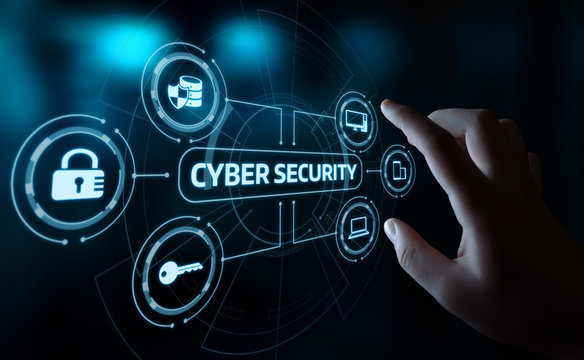
In today’s digital age, cybersecurity has become a critical concern for individuals, businesses, and governments worldwide. With the rapid advancement of technology, the internet has become an integral part of our daily lives, facilitating communication, commerce, and data storage. However, this increased reliance on digital platforms also exposes us to cyber threats, making cybersecurity an essential practice for protecting information, networks, and systems from cyberattacks.
What is Cybersecurity?
Cybersecurity refers to the practice of protecting computer systems, networks, and digital information from unauthorized access, theft, or damage. It encompasses a wide range of security measures, including encryption, firewalls, antivirus software, and secure authentication protocols. The goal of cybersecurity is to ensure the confidentiality, integrity, and availability of data while preventing cyber threats such as hacking, phishing, malware, and ransomware attacks.
Importance of Cybersecurity in the Modern World
-
Protection of Personal and Sensitive Data
Cybersecurity is crucial for safeguarding personal and sensitive data, such as banking information, social security numbers, and login credentials. With cybercriminals constantly attempting to exploit vulnerabilities, strong cybersecurity measures help prevent identity theft and financial fraud. -
Securing Businesses and Financial Transactions
Organizations store vast amounts of confidential information, including customer data, financial records, and trade secrets. A cyberattack can lead to severe financial losses, reputational damage, and legal consequences. Robust cybersecurity practices help businesses protect their assets and ensure the smooth operation of financial transactions. -
-
Preventing Cybercrime and Hacking
Cybercriminals employ sophisticated techniques to breach systems and steal valuable information. Cybersecurity measures, such as firewalls, intrusion detection systems, and security patches, help mitigate the risk of hacking and cyber espionage. -
Ensuring National Security
Governments and military institutions rely on cybersecurity to protect national security and prevent cyber warfare. Cyberattacks on critical infrastructure, such as power grids, transportation systems, and communication networks, can have devastating consequences. Strong cybersecurity frameworks help defend against cyber threats that could compromise national stability. -
Enhancing Consumer Trust
With the increasing number of online transactions and digital interactions, consumers expect their personal information to be secure. Businesses that prioritize cybersecurity build trust with their customers, ensuring safe online experiences and protecting customer data from breaches. -
Combating Cyber Threats in Emerging Technologies
As new technologies like artificial intelligence, the Internet of Things (IoT), and cloud computing continue to evolve, so do cyber threats. Cybersecurity plays a pivotal role in ensuring that these innovations remain secure and resistant to attacks, minimizing potential risks.
Conclusion
Cybersecurity is an essential aspect of the modern world, protecting individuals, businesses, and governments from cyber threats. As technology advances, the need for robust cybersecurity measures becomes even more critical. By investing in cybersecurity infrastructure, educating users on best practices, and staying vigilant against cyber threats, we can create a safer digital environment for everyone. Strengthening cybersecurity ensures the protection of valuable information, maintains trust in digital platforms, and safeguards national and global security.







Comments 0
Sign in to join the conversation.
No comments yet. Be the first to say something.