


The cyber battlefield of 2025 looks nothing like it did a decade ago. While firewalls and antivirus software once defined our defense systems, today’s threats require an entirely new playbook. We’re now navigating a landscape shaped by artificial intelligence, quantum computing, ransomware-as-a-service, and deepfake deception.
As technology advances, so do the tools of cybercriminals. But the good news? Our defenses are evolving just as rapidly—smarter, faster, and more adaptable than ever before.

🌐 The Changing Face of Cyber Threats
The threats in 2025 are no longer just about stolen passwords or infected files. They are psychological, social, and often invisible until it’s too late. Here are the main culprits behind today's cybersecurity chaos:
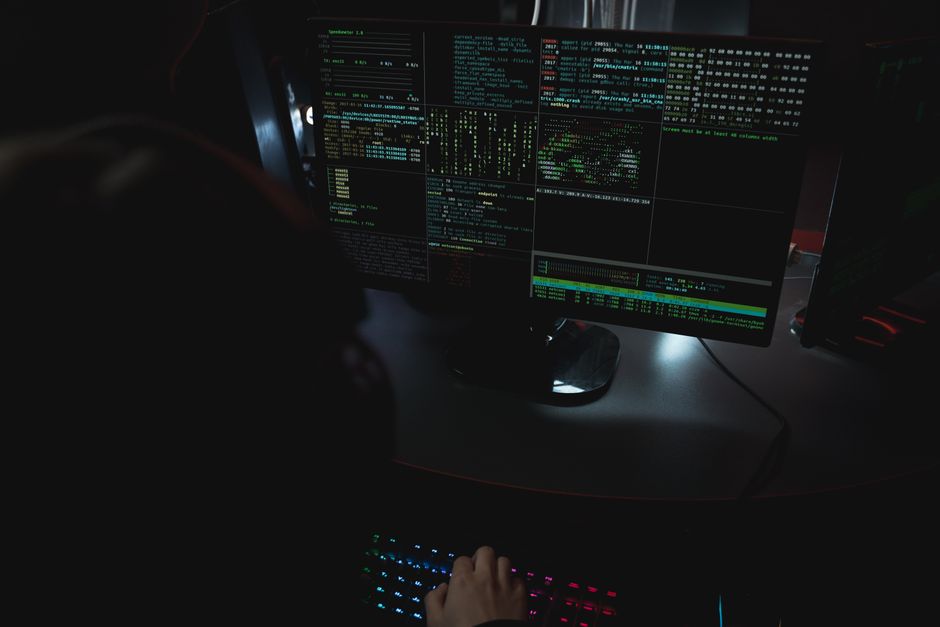
1. Deepfake and Social Engineering 2.0
Forget shady emails from a "Nigerian prince." Today’s scams look and sound like your boss. Deepfake audio and video are being used to impersonate CEOs, government officials, and even loved ones—convincing employees to transfer millions or hand over sensitive data.
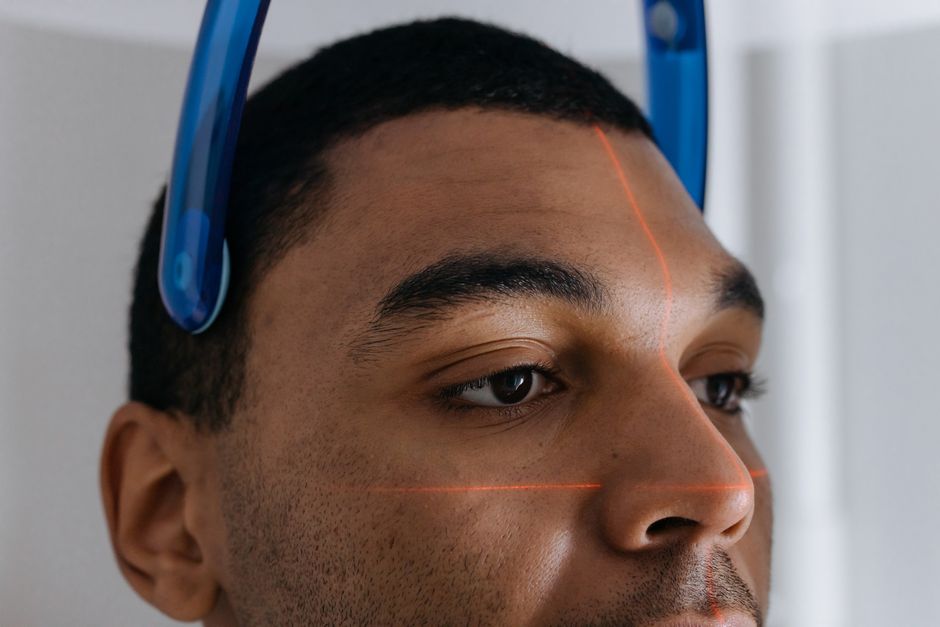
2. AI-Powered Hacking
Hackers now use AI to scan for vulnerabilities in systems faster than any human ever could. Some systems are compromised before they’re even fully set up. Meanwhile, bots mimic human behavior so well that traditional defenses can’t tell friend from foe.
3. Quantum Computing Threats
Quantum computing, still in its early but rapidly maturing stage, threatens to break modern encryption methods. While it’s not widespread yet, experts agree that when it hits, it’ll change everything about how we protect data.
🛡️ How We’re Fighting Back: Cybersecurity Strategies of 2025
The digital world might be more dangerous, but our defenses are smarter too. Here’s how we’re keeping up—and staying one step ahead.
1. Zero-Trust Architecture (ZTA)
In the past, once you were inside a network, you were trusted. Now? Trust no one. Zero-trust means verifying every user, every device, every request—every time. Even internal traffic is treated with suspicion.
“Assume breach” is the new cybersecurity mantra.
2. Behavioral Biometrics
Passwords are out. Continuous authentication is in. Behavioral biometrics track how you type, swipe, or move your mouse. If something seems off—like a bot pretending to be you—access is denied.
3. AI-Driven Defense
AI is a double-edged sword—but on our side, it’s a superhero. AI now monitors traffic patterns, detects anomalies, and responds in milliseconds to stop breaches before they escalate.

4. Quantum-Resistant Encryption
Forward-thinking companies are already adopting “post-quantum cryptography”—algorithms designed to withstand the brute force of quantum computers. It’s like building your house to survive a storm that’s still miles away.
5. Cybersecurity Mesh Architecture
This modern framework ensures security isn’t just centralized but distributed across all devices, networks, and endpoints. Think of it as building a spiderweb of defenses—if one part is touched, the entire system reacts.

💼 Cybersecurity for Businesses: What’s at Stake?
In 2025, cyberattacks are the biggest threat to business continuity. A single breach can cause reputational damage, legal trouble, and millions in financial loss. But it’s not just about money—it’s about trust.
Major trends for businesses:
-
Automated incident response: AI systems now automatically isolate and mitigate breaches in real-time.
-
Employee cybersecurity training: Every employee is considered a potential target—and also the first line of defense.
-
Cyber insurance: It's no longer a luxury; it's a must-have.
-

🧑💻 Cybersecurity for Individuals: Everyday Survival Tips
Think you’re safe just because you don’t run a business? Think again. In 2025, everyone’s a target. Your digital identity is a goldmine.
Here’s how to protect yourself:
-
Use a password manager: Or better yet, use no passwords. Biometrics and passkeys are safer.
-
Enable MFA (Multi-Factor Authentication): One password is a joke to hackers. Two? That’s a punchline they hate.
-
Keep software updated: The update you ignore might patch a vulnerability a hacker is watching.
-
Watch for deepfakes: If a voice or video doesn’t feel right, trust your gut. Confirm identities with a call.
-

And hey—if someone tells you they’re stranded and need Bitcoin to fly home... maybe don’t.
🧠 Ethical Hacking and Cybersecurity Careers Are Booming
In 2025, ethical hackers—also known as "white hats"—are rockstars in the tech world. They're hired to break into systems, find weaknesses, and help patch them up.
Cybersecurity isn’t just a job; it’s a mission. And with job demand skyrocketing, students entering the field are looking at meaningful work and solid paychecks.
Pro tip for students: Start with certifications like CompTIA Security+, CEH (Certified Ethical Hacker), or dive into open-source bug bounty programs to practice real-world skills.

🤖 The Future of Cybersecurity: What’s Next?
Looking ahead, here’s what’s on the horizon:
-
Self-healing systems: AI that not only detects attacks but repairs damage without human intervention.
-
Digital identity passports: Unified ID systems verified across platforms to reduce fraud.
-
Cyberwarfare escalation: Nation-states are developing digital weapons alongside traditional arms. The next war might be fought with code, not guns.
-
💬 Final Thoughts: Trust Is the New Currency
In 2025, cybersecurity isn’t just about preventing attacks—it’s about building trust. Between companies and users, governments and citizens, platforms and people.
We’re living in a world where data is more valuable than oil, and where one phishing email can bring down a company. The only way forward is together—smarter, faster, and always prepared.
And remember: If a Nigerian prince still messages you in 2025, tell him you've invested in zero-trust architecture. 😎







Comments 0
Sign in to join the conversation.
No comments yet. Be the first to say something.