

Weird Body Tricks That Actually Work (Like Stopping a Yawn Mid-Yawn)
Introduction
Have you ever found yourself yawning uncontrollably during an important meeting, hiccupping through dinner, or itching for no reason at all? While these automatic body reactions may seem impossible to control, scientists and health experts have discovered some surprisingly effective tricks to manage them. From stopping a yawn mid-yawn to reducing nausea or boosting alertness in minutes, your body can be influenced in weird—and sometimes hilarious—ways.
In this article, we’ll explore weird body tricks that actually work, explaining why they happen, how to safely try them, and practical tips you can use in everyday life. Get ready to take control of your body’s quirks and impress yourself—and others—with these unexpected tricks.
Why Our Bodies Do Weird Things
Our bodies are full of reflexes, involuntary actions, and unexpected responses to stimuli. Understanding the reasons behind these behaviors can help us control or modify them.
The Science of Reflexes
Reflexes are automatic responses that bypass the brain’s conscious control.
Examples include sneezing, blinking, coughing, and yawning.
Reflexes exist to protect us or regulate body functions quickly.
Involuntary Actions and Why They Happen
Yawning: Often linked to brain cooling and oxygen regulation.
Hiccups: Caused by diaphragm spasms, triggered by eating too quickly or sudden excitement.
Goosebumps: A leftover evolutionary trait to regulate body temperature.
Understanding the why behind these actions is the first step to learning how to manipulate or stop them.
Weird Body Tricks You Can Try Today
These tricks might seem unusual, but research and anecdotal evidence suggest they work. Some may even make you laugh.
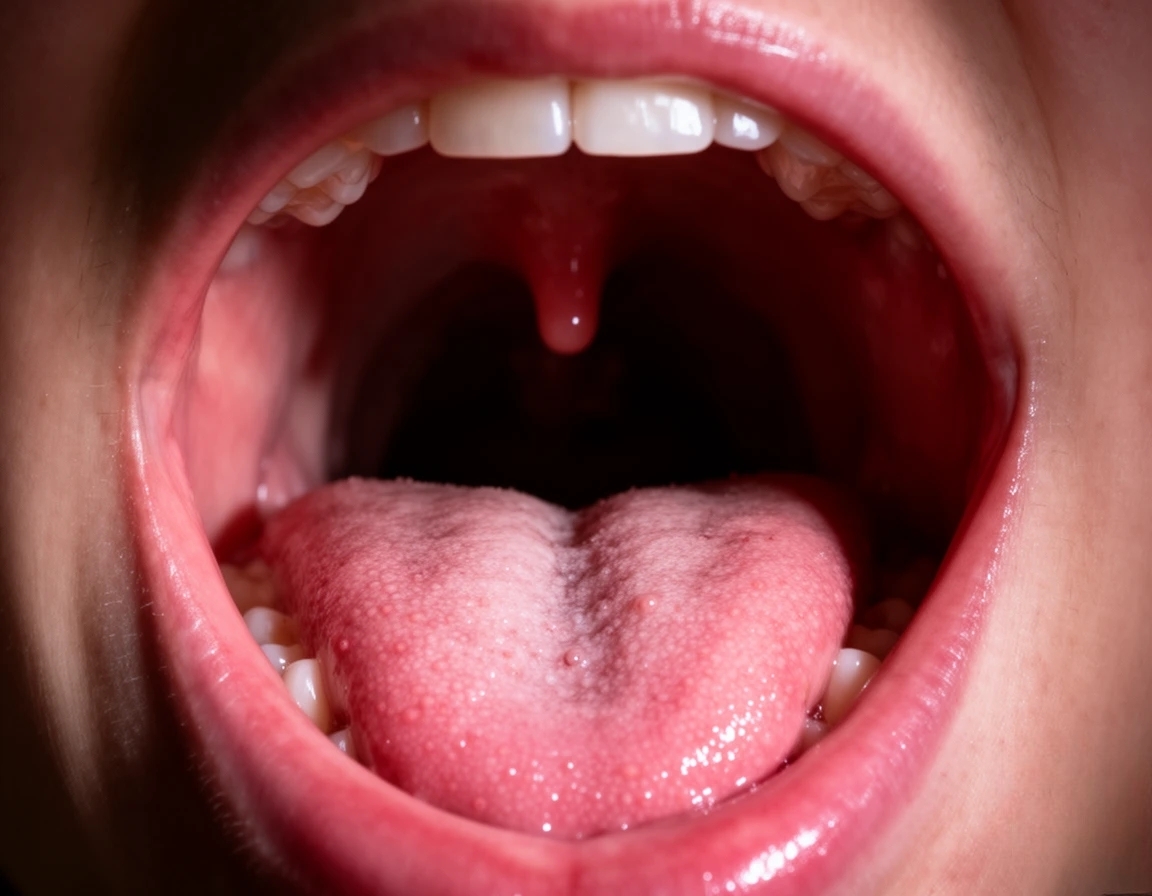
Stopping a Yawn Mid-Yawn
Yawns are contagious and hard to stop, but there are a few methods:
Pinch your nose: Gently pinch your nose while holding your mouth closed.
Press the roof of your mouth: Use your tongue to press against the palate.
Deep nasal breath: Inhale sharply through your nose to reset the yawning reflex.
Why it works: These actions interrupt the neurological signals that trigger yawning.
Ending a Hiccup Quickly
Hiccups can be annoying, but these tricks can help:
Drink water slowly: Swallowing water interrupts diaphragm spasms.
Hold your breath: Increases carbon dioxide in your blood, which can calm the diaphragm.
Pull on your tongue: Stimulates nerves and stops the spasm reflex.
Suppressing a Sneeze
Sometimes a sneeze comes at the wrong time. Here’s how to delay it:
Press your upper lip: Just below the nose, applying gentle pressure can stop the sneeze signal.
Pinch your nose and hold your breath: Resets the sneeze reflex.
Look at a bright light: Known as the photic sneeze reflex, light can sometimes redirect the urge.
Shivering on Demand
Shivering is normally automatic, but you can trigger it voluntarily to warm up:
Controlled muscle contractions: Flex and release your muscles repeatedly.
Cold water stimulation: Splashing cold water can activate shivering reflexes.
Reducing Nausea Without Medication
Feeling queasy? These tricks can help stabilize your stomach:
Apply pressure on P6 acupressure point: Located on the inner wrist, 3 fingers down from the palm.
Ginger or peppermint: Natural remedies that soothe the stomach.
Deep breathing: Focused diaphragmatic breathing can calm your body.
Lesser-Known Body Tricks That Work
These tricks aren’t widely known but can be surprisingly effective.
Boosting Alertness Instantly
Splash cold water on your face: Stimulates the vagus nerve.
Clench your fists for 10 seconds: Increases blood flow and adrenaline temporarily.
Chew gum: Helps the brain stay alert during fatigue.
Stop Itching Quickly
Itching can be maddening. Try:
Press instead of scratch: Applying pressure inhibits the itching nerve signals.
Cold compress: Slows nerve conduction to reduce sensation.
Distraction techniques: Focus attention elsewhere to break the itch reflex.
Relieve Brain Fog in Minutes
Take a brisk walk: Physical movement increases oxygen flow to the brain.
Expose yourself to sunlight: Boosts vitamin D and serotonin.
Hydrate immediately: Even mild dehydration affects cognitive performance.
Fun Body Tricks You Can Experiment With
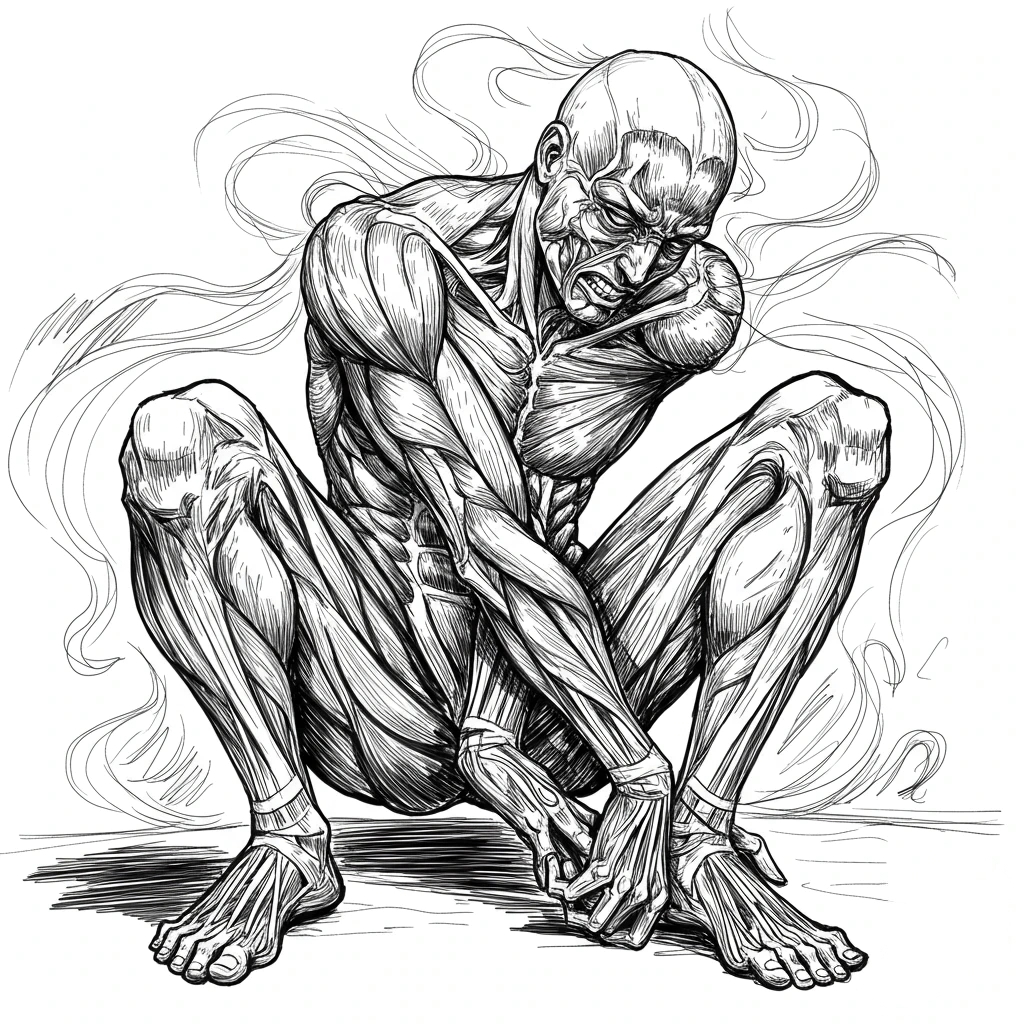
Some body tricks are not just useful—they’re fun to try with friends or family.
Controlling Your Pupils
Look at bright light: Pupils shrink reflexively.
Look at darkness: Pupils dilate, making eyes appear larger.
Inducing Goosebumps on Command
Recall emotional memories: Strong emotions can trigger the reflex.
Listen to music that moves you: Emotional triggers from music can also cause goosebumps.
Make Your Fingers Go “Numb” Safely
Tense and release muscles repeatedly: Increases temporary numb sensation.
Cold immersion: Short exposure to cold water triggers nerve adaptation.
Why These Tricks Work
Most of these tricks work because of neural pathways, reflex arcs, and the body’s adaptive mechanisms.
Neural interference: Certain actions interrupt automatic signals.
Muscle manipulation: Physical movements can override reflexes temporarily.
Sensory redirection: Stimulating other senses can trick your brain into stopping unwanted reflexes.
The underlying principle is simple: your body is automatic, but not uncontrollable. With knowledge, small interventions can influence almost anything.
Safety Tips When Trying Weird Body Tricks
While experimenting, safety should be your top priority:
Avoid forcing muscles or joints beyond comfort.
Never hold your breath too long or apply dangerous pressure.
Use gentle pressure for acupressure points.
Stop immediately if a trick causes pain, dizziness, or discomfort.
Practical Uses of Weird Body Tricks
These tricks aren’t just party tricks—they can improve your daily life:
Control yawns in meetings or presentations.
Stop hiccups before dinner with friends.
Suppress sneezes in public spaces.
Reduce nausea while traveling.
Boost alertness during fatigue or brain fog.
Even small control over involuntary body functions can make you feel more confident and composed.
Conclusion
Your body may seem like it has a mind of its own, but with a little practice and knowledge, you can master some of its quirks. From stopping a yawn mid-yawn to suppressing hiccups and boosting alertness, these weird body tricks are not just fun—they are scientifically backed methods to take control of your reflexes and reactions.
So next time your body tries to embarrass you with an unexpected yawn, sneeze, or shiver, you’ll be ready with a trick that actually works.

You must be logged in to post a comment.