

https://www.youtube.com/watch?v=QUENiD4su_g&pp=ygUNd2VhcmFibGUgdGVjaA%3D%3D
Introduction
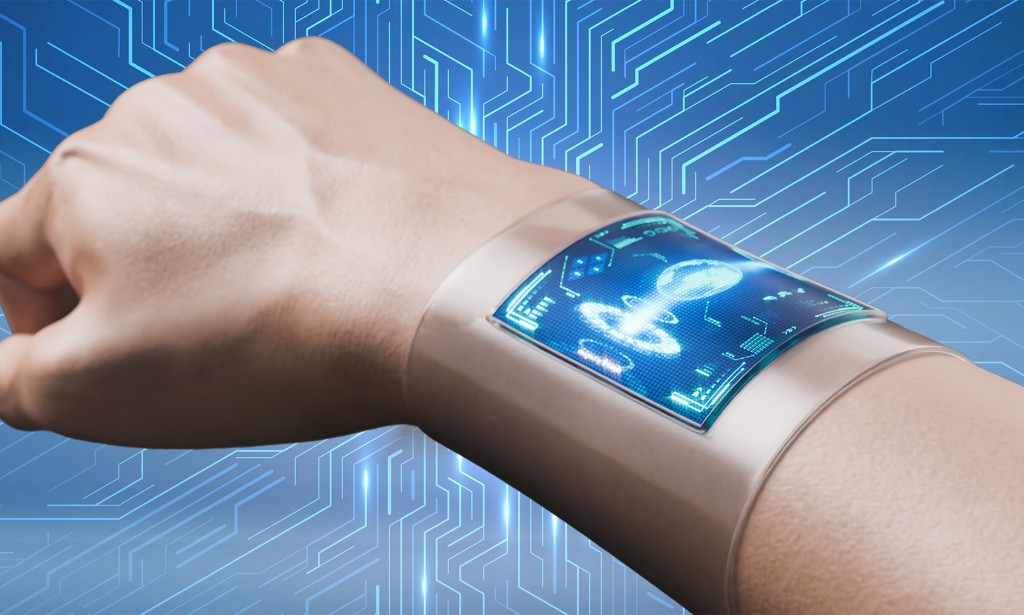
Technology is changing our lives every day. From smartphones to smart homes, modern inventions have made daily activities easier, faster, and more comfortable. One of the most interesting developments in modern technology is wearable technology. Wearable devices are electronic gadgets that people can wear on their bodies, such as smartwatches, fitness trackers, smart glasses, and smart rings. These devices help people monitor their health, improve fitness, communicate, and manage their daily routines.
Wearable technology is becoming increasingly popular because it combines convenience with innovation. People no longer need to depend entirely on smartphones or computers to access useful information. They can simply look at their wrists or use other wearable devices to stay connected.
What Is Wearable Technology?
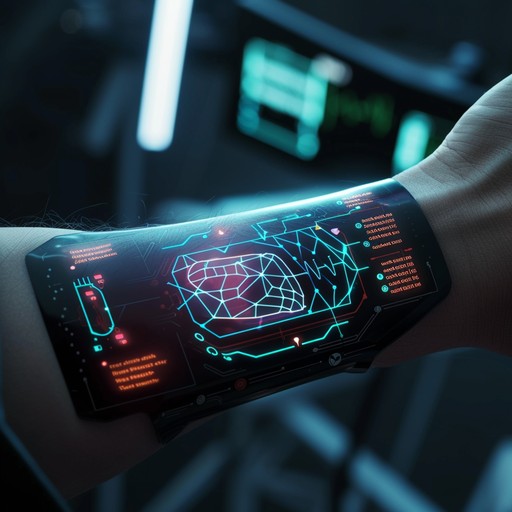
Wearable technology refers to smart electronic devices designed to be worn on the body. These devices usually contain sensors, software, and wireless connections that collect and share information.
For example, a smartwatch can measure heart rate, count daily steps, display messages, and track sleeping patterns. Similarly, fitness trackers help users understand their physical activities and encourage them to maintain healthy habits.
Wearable devices are designed for different purposes. Some focus on health and fitness, while others provide entertainment, communication, navigation, and professional assistance.
Different Types of Wearable Technology
There are many types of wearable technology available today.
1. Smartwatches
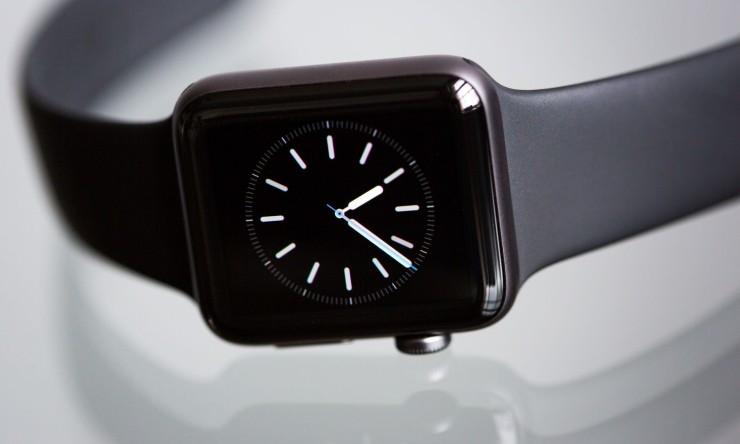
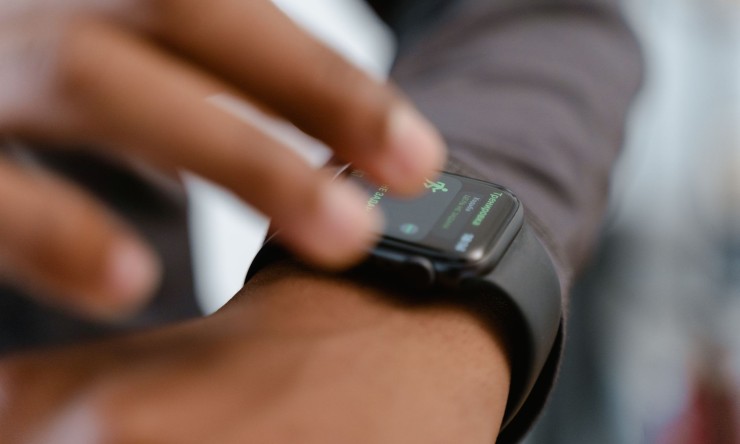
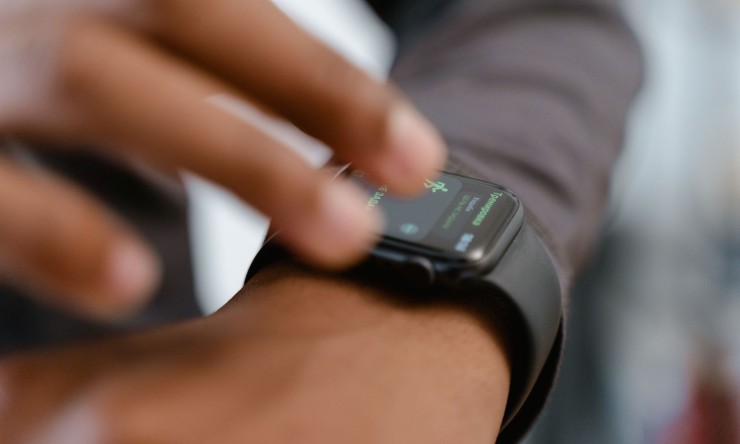
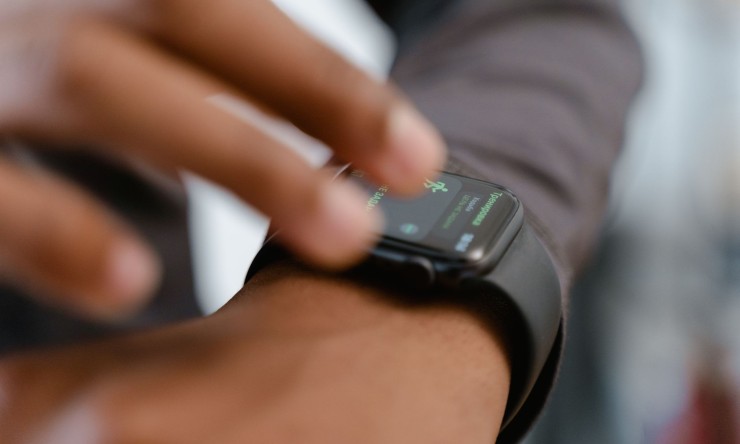
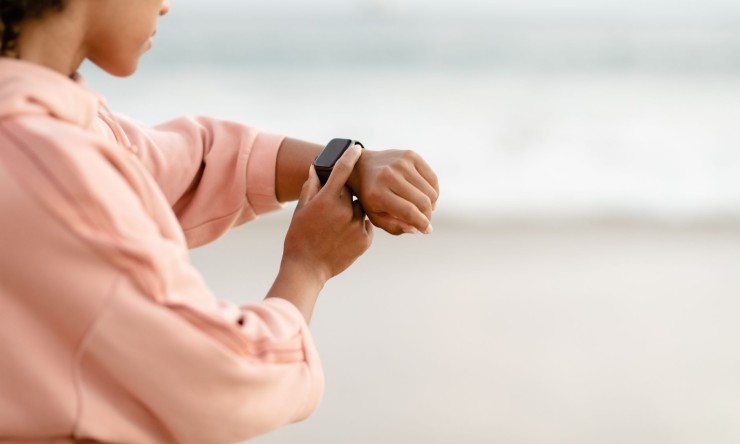
Smartwatches are among the most popular wearable devices. They look like traditional watches but offer many advanced features. Users can receive notifications, answer calls, check messages, monitor heart rates, and track physical activities. They are useful for people who want quick access to information without constantly using their smartphones.
2. Fitness Trackers
Fitness trackers are specially designed to monitor physical activities. They count steps, measure distance, estimate calories burned, and record exercise sessions. These devices encourage people to become more active and develop healthier lifestyles.
3. Smart Glasses
Smart glasses are modern wearable devices that combine ordinary glasses with digital technology. Some models provide navigation, display notifications, capture photographs, and offer voice assistance. They can be useful for education, communication, and professional activities.
4. Smart Rings
Smart rings are small wearable devices that can monitor different health and activity measurements. Depending on the model, they may track sleep, heart rate, daily movement, and other wellness information. Their small size makes them convenient for people who prefer not to wear a smartwatch.
5. Smart Clothing
Smart clothing includes specially designed garments containing sensors and electronic components. These clothes can monitor body movement, temperature, and certain physical activities. Smart clothing is becoming interesting in sports, healthcare, and fitness training.
Importance of Wearable Technology in Healthcare
One of the most valuable uses of wearable technology is healthcare. Wearable devices can help people understand their health and develop better daily habits.
For example, smartwatches can monitor heart rate and provide information about physical activity. Some advanced devices also offer features such as blood oxygen estimates and irregular heart rhythm notifications, depending on the model and its approved capabilities.
Wearable technology can also help individuals observe their sleeping patterns. Good sleep is important for physical and mental well-being. By understanding sleep habits, people may make positive changes to their daily routines.
However, wearable devices are not replacements for professional medical advice, diagnosis, or treatment. Their measurements may sometimes be inaccurate, so people should consult healthcare professionals when they have health concerns.
Wearable Technology and Fitness
Fitness is another important area where wearable technology is making a difference. Many people struggle to maintain regular exercise routines because they lack motivation or do not know how much physical activity they complete each day.
Fitness trackers and smartwatches can make exercise more interesting. They allow users to set daily goals, count steps, measure workout duration, and monitor progress.
For example, someone who wants to walk 8,000 steps daily can use a fitness tracker to check progress throughout the day. Reaching daily goals can create a sense of achievement and encourage consistency.
Athletes also use wearable technology to understand their performance. It can help them monitor training activities, movement patterns, and recovery information.
Benefits of Wearable Technology
Wearable technology offers several advantages in modern life.
First, it provides convenience. Users can check notifications, monitor activities, and access useful information without frequently taking out their smartphones.
Second, wearable devices encourage healthy habits. Fitness reminders and activity tracking can motivate people to walk more, exercise regularly, and pay attention to their daily routines.
Third, wearable technology saves time. People can receive important alerts and information directly through their devices.
Fourth, these devices support personal productivity. Smartwatches can provide reminders about meetings, appointments, tasks, and daily responsibilities.
Finally, wearable technology can support education and professional training through smart glasses and other interactive devices.
Wearable Technology in Education
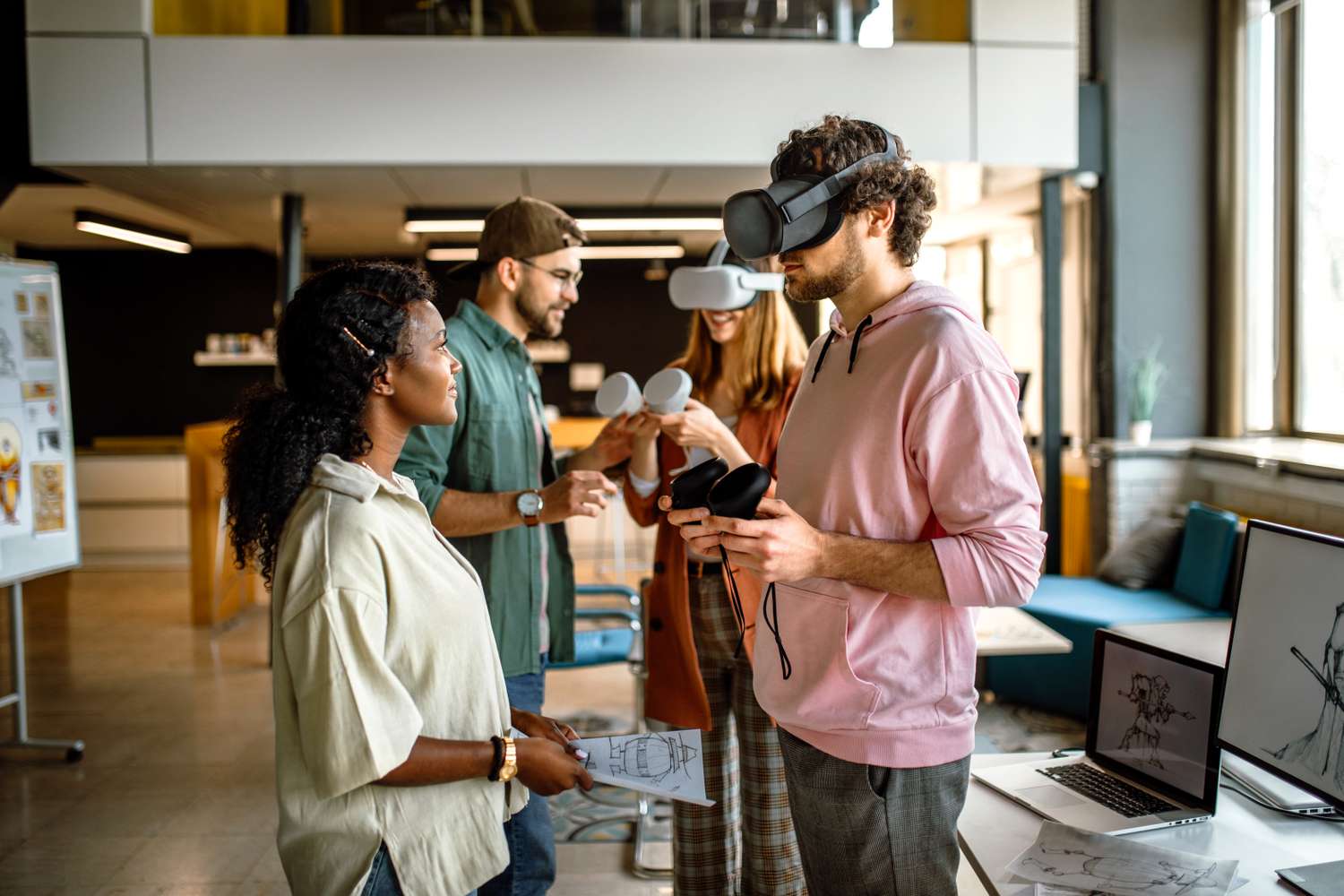
Wearable technology is also creating new opportunities in education. Students and teachers can use smart devices to make learning more interactive and engaging.
For example, smart glasses may provide visual information during practical lessons. Fitness trackers can help students understand physical activity and healthy lifestyles.
Wearable devices may also support students with certain accessibility needs. Some technologies provide audio assistance, navigation support, or other helpful features.
In the future, educational institutions may use wearable technology to introduce more practical and interactive learning experiences.
Challenges and Disadvantages of Wearable Technology
Although wearable technology offers many benefits, it also has some disadvantages.
One major concern is privacy. Wearable devices collect personal information, including activity records, location information, and health-related measurements. If this information is not properly protected, it may create privacy risks.
Another challenge is cost. Some advanced smartwatches and wearable devices are expensive, making them difficult for everyone to afford.
Battery life is another limitation. Many devices require regular charging, and some features may stop working when the battery becomes empty.
Accuracy is also important. Wearable devices may sometimes provide incorrect measurements. Users should not depend completely on these readings when making important health decisions.
Additionally, excessive dependence on technology can become distracting. People should maintain a balance between digital devices and real-life activities.
The Future of Wearable Technology
The future of wearable technology looks promising. As technology continues to develop, wearable devices may become smaller, smarter, more comfortable, and more powerful.
Artificial intelligence may improve wearable devices by helping them understand user habits and provide more personalized information. Future devices may offer better health monitoring, improved communication, and more advanced fitness features.
Smart clothing may become more common in sports and healthcare. Smart glasses may also provide better educational and professional experiences.
Furthermore, wearable technology may become more affordable as manufacturers introduce new products and improve production methods.
However, future developments should focus not only on advanced features but also on user privacy, safety, accuracy, and accessibility.
How to Choose the Right Wearable Device
Choosing the right wearable device depends on personal needs and budget.
People interested in fitness should consider devices that provide step counting, workout tracking, and activity monitoring.
Those who want convenient communication may prefer smartwatches with notification and calling features.
People interested in sleep tracking should compare devices that provide suitable sleep-monitoring features.
Before purchasing any wearable device, users should check its battery life, compatibility, comfort, privacy settings, and price.
It is also important to choose a reliable brand and understand what information the device collects.
Conclusion
Wearable technology has become an important part of modern life. Smartwatches, fitness trackers, smart glasses, smart rings, and smart clothing are changing how people manage their health, fitness, communication, and daily activities.
These devices offer convenience, save time, and encourage healthier habits. However, users should also understand their limitations, including privacy concerns, cost, battery life, and measurement accuracy.
As technology continues to advance, wearable devices are likely to become even more useful and accessible. The best way to benefit from wearable technology is to use it wisely and maintain a healthy balance between technology and everyday life.
Wearable technology is not just a modern invention; it represents an exciting step toward a smarter and more connected future.





Comments 0
Sign in to join the conversation.
No comments yet. Be the first to say something.