


🌐 Who Will Lead the World? Top Political Figures in 2025
As the world races through the third decade of the 21st century, the political landscape is more dynamic, unpredictable, and interconnected than ever before. Climate change, artificial intelligence, war, inequality, and diplomacy are all hot-button issues, and the people in power today are not just local leaders — they are global influencers.
So, who’s steering the ship in 2025? Who has the power to shape economies, end conflicts, or start new ones with a single speech? Here’s a look at some of the most influential political figures shaping the world right now — and what their leadership means for all of us.
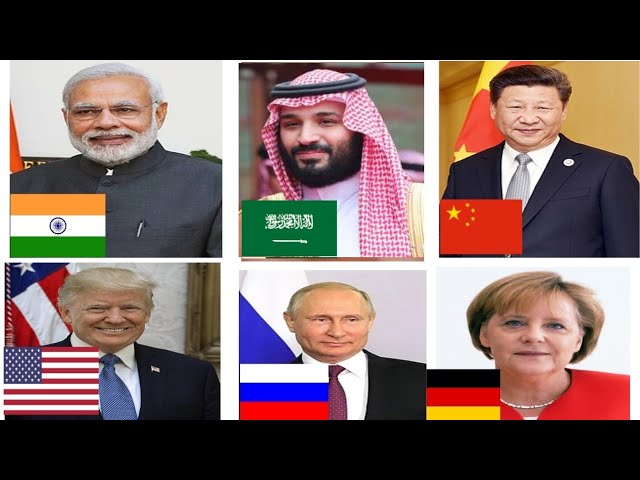
1. Joe Biden (United States) 🇺🇸
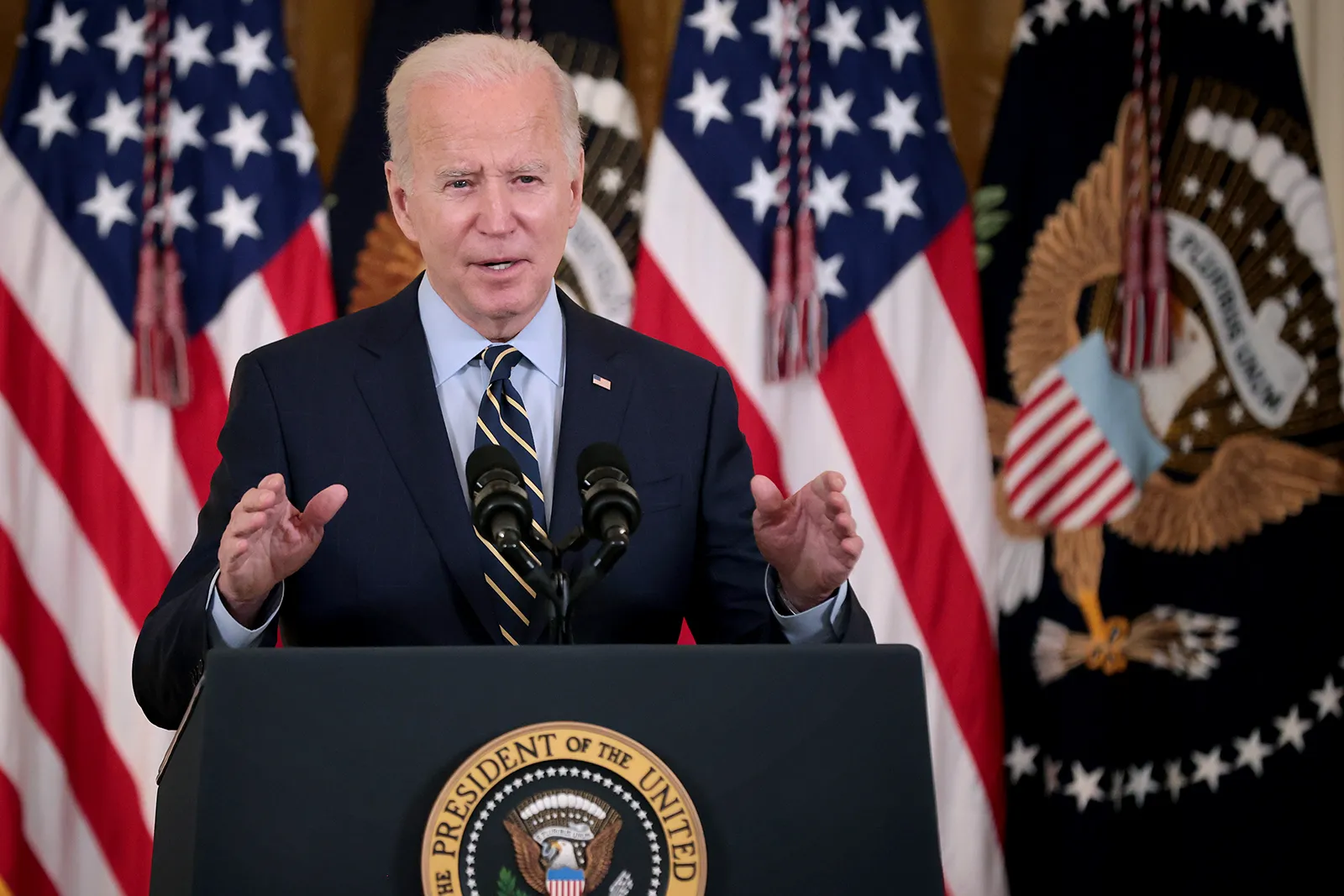
Though 2024 saw intense political debate in the U.S., President Joe Biden remains a central figure on the global stage in 2025. Whether he’s still in office or transitioning power after a new election (e.g., to Donald Trump or another successor), Biden's policies on climate change, NATO alliances, and tech regulation continue to echo globally.
Why He Matters:
The U.S. remains the world’s largest economy and a key geopolitical player. American policy influences everything from military aid to tech innovation — and Biden's steady, diplomacy-first approach is still shaping world order.
2. Xi Jinping (China) 🇨🇳
Now entering a rare third term, Xi Jinping has solidified his grip on China, making him one of the most powerful leaders in modern history. His vision of a “Chinese dream” includes global infrastructure dominance through Belt and Road, military expansion in the South China Sea, and increasing tech self-sufficiency.
Why He Matters:
China is a superpower not just in trade, but in surveillance, AI, and green energy. Xi’s leadership affects everything from African development projects to semiconductor supply chains.
3. Ursula von der Leyen (European Union) 🇪🇺
As President of the European Commission, Ursula von der Leyen has emerged as one of the most vocal defenders of democratic values and green policy. In 2025, she is leading the EU into a new digital and environmental frontier while maintaining firm positions against Russian aggression and AI regulation.
Why She Matters:
With the EU being a massive economic bloc and standard-setter, her leadership affects global digital laws, climate goals, and international partnerships.
4. Volodymyr Zelenskyy (Ukraine) 🇺🇦
President Zelenskyy remains a symbol of resilience, leadership, and modern wartime communication. Though the war with Russia has evolved, Zelenskyy's voice continues to rally international support and define the future of democracy under threat.
Why He Matters:
Zelenskyy’s leadership helped reshape NATO policy and reminded the world that charisma and moral clarity still matter in geopolitics.
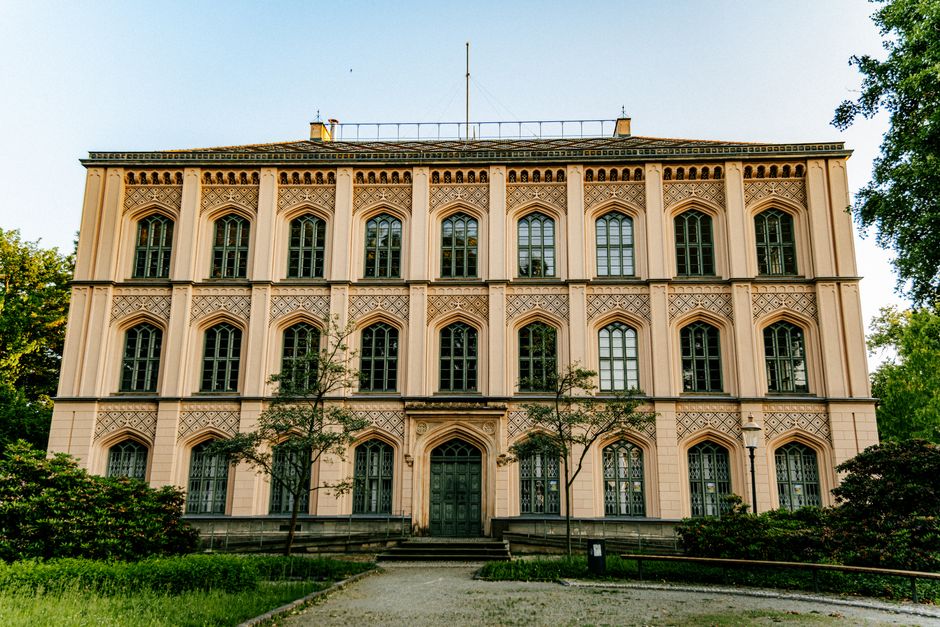
5. Narendra Modi (India) 🇮🇳
India’s Prime Minister remains one of the most influential voices in the Global South. Under Modi, India has leaned into tech, infrastructure, and space exploration while balancing Western alliances and Eastern partnerships with finesse.
Why He Matters:
With India projected to be the world’s third-largest economy by 2030, Modi’s foreign policy will affect tech outsourcing, green energy, and global supply chain strategies.
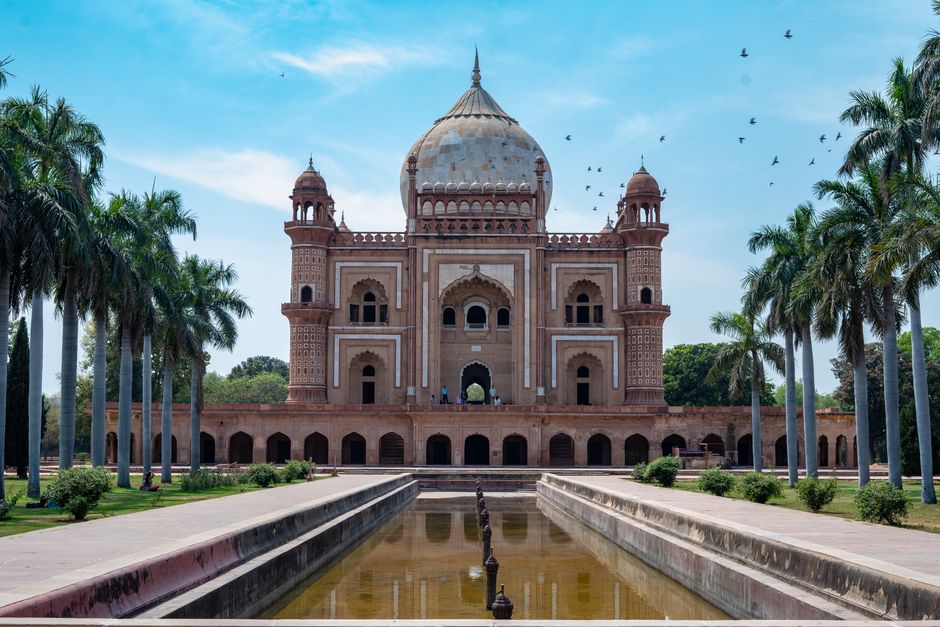
6. Emmanuel Macron (France) 🇫🇷
President Macron continues to position France as a diplomatic power, especially in Africa, the EU, and the Indo-Pacific. He plays a key role in climate talks, defense policy, and rebuilding Europe’s role in global leadership.
Why He Matters:
France’s nuclear capabilities, seat on the UN Security Council, and central EU position make Macron’s policies hard to ignore.

7. Luiz Inácio Lula da Silva (Brazil) 🇧🇷
Back for a third term, Lula is again the face of Brazil — this time with a strong climate agenda. He’s fighting deforestation, rebuilding international trust, and aligning Brazil with other Southern Hemisphere powers.
Why He Matters:
As the Amazon remains critical to Earth’s future, Lula’s environmental policies may literally be a matter of planetary survival.
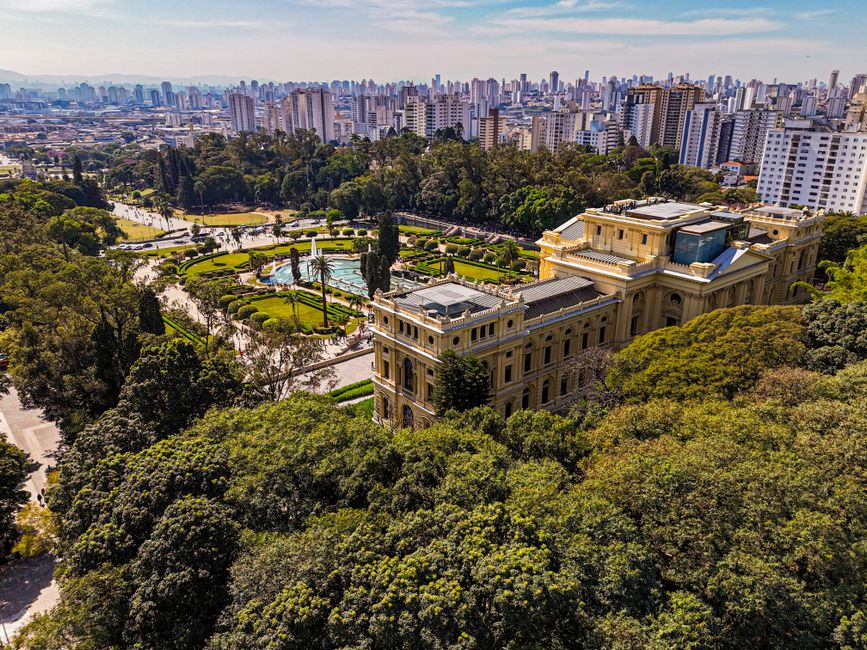
8. Fumio Kishida (Japan) 🇯🇵
Kishida is taking Japan into a more assertive international role while maintaining the country’s pacifist stance. He’s investing in defense, clean energy, and AI — aiming to position Japan as a futuristic yet ethical tech superpower.
Why He Matters:
Japan’s tech leadership, financial markets, and democratic influence in Asia make Kishida a quiet but essential player.
\
9. Annalena Baerbock (Germany) 🇩🇪
As Germany’s Foreign Minister (and potentially future Chancellor), Baerbock is rising as a strong, principled voice in European diplomacy, especially on climate and human rights.
Why She Matters:
Germany’s economy powers the EU, and Baerbock’s assertive approach may define the bloc’s foreign policy in the years to come.
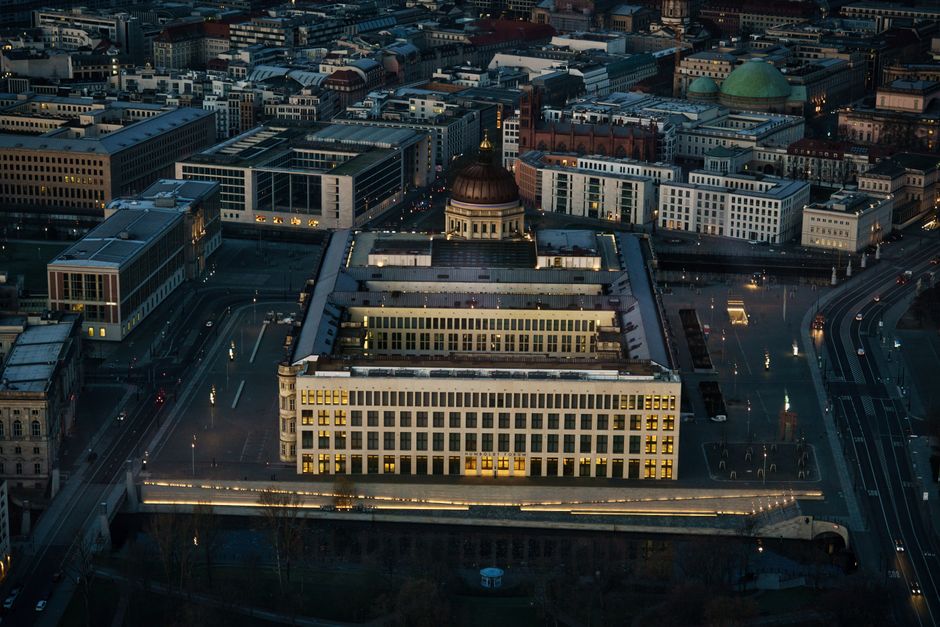
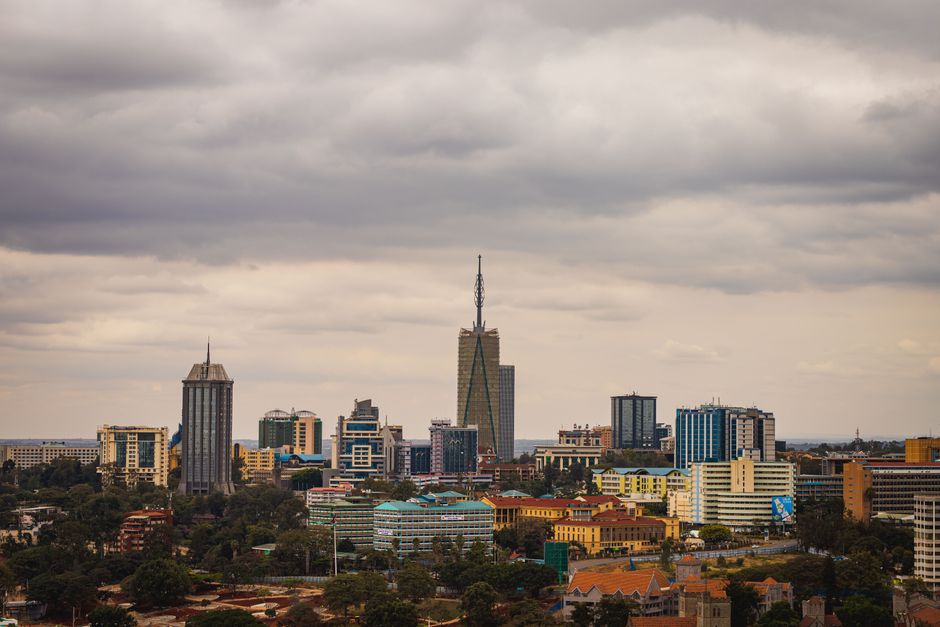
10. William Ruto (Kenya) 🇰🇪
Africa’s global voice is growing, and Ruto is emerging as a modern leader reshaping how the continent negotiates on trade, climate, and development. With a focus on digital transformation, he’s attracting attention far beyond Kenya’s borders.
Why He Matters:
As Africa becomes the next economic frontier, Ruto represents a shift in power — one where the continent demands a seat at every global table.
🧭 What This Means for the Future
2025 isn’t just about who's in office — it’s about what they represent. We're witnessing a new generation of leadership that blends diplomacy with disruption, charisma with competence, and nationalism with global responsibility.
The world isn’t just looking for power — it’s looking for purpose.
The way these leaders collaborate (or clash) will determine how we tackle global challenges:
🌱 Will they act on climate change?
🤖 Will they regulate AI and data responsibly?
🕊️ Will they choose peace over profit?
🌍 Final Thought: Leadership Is Global Now
In a world of instant communication and shared crises, leadership is no longer just national — it’s international. The decisions made in Washington, Beijing, New Delhi, or Nairobi ripple across the planet.
As we look ahead to elections, alliances, and emerging powers, one thing is clear:
The leaders of 2025 aren’t just shaping policy. They’re shaping history.







Comments 0
Sign in to join the conversation.
No comments yet. Be the first to say something.