

Students: The Future Builders of Society
Introduction
Students are the most important part of every society because they represent hope, progress, and the future of a nation. They are the young minds who will become future teachers, doctors, engineers, scientists, writers, businesspeople, and leaders. Every successful individual begins their journey as a student. Student life is not only about attending school, reading books, and passing examinations; it is also about developing knowledge, building character, learning discipline, and discovering personal abilities.
A good student understands that education is a powerful tool for changing life. Through education, students learn how to think, communicate, solve problems, and make responsible decisions. Therefore, students should use their educational opportunities wisely and work hard to achieve their dreams.
Importance of Education in Student Life
Education plays a significant role in shaping students' personalities and futures. It provides knowledge and helps individuals understand the world around them. Students learn different subjects, including English, mathematics, science, history, geography, and computer studies. Each subject develops different abilities and prepares them for practical life.
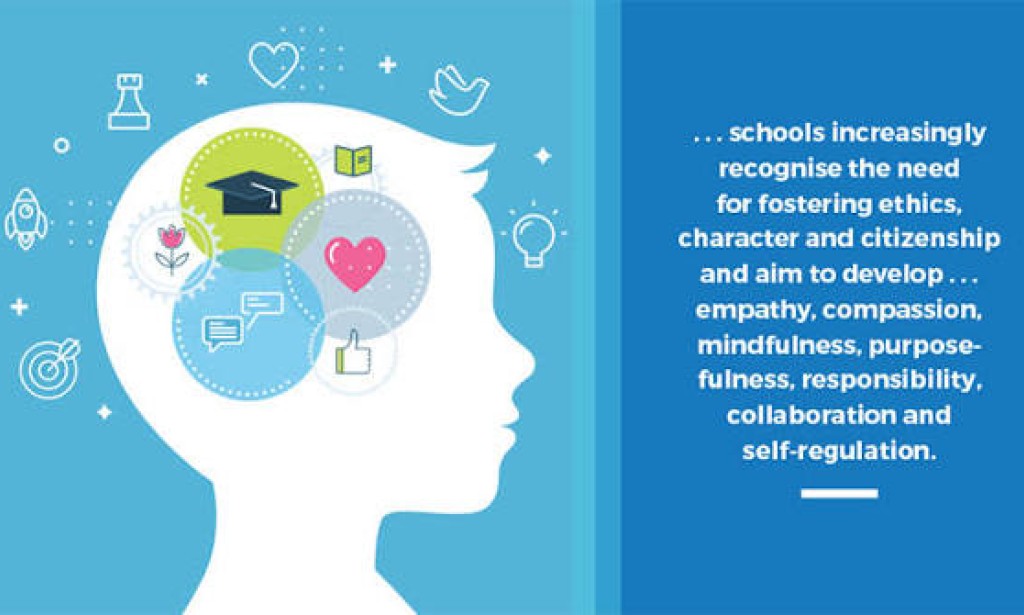
Education also teaches students important moral values such as honesty, kindness, respect, patience, and responsibility. These values help them become good human beings.
An educated person can understand social problems, recognize opportunities, and contribute positively to society. Education also increases employment opportunities and helps individuals become financially independent.
Students should remember that education is not only about obtaining certificates or achieving high marks. True education means applying knowledge in daily life and using it to make the world a better place.
The Role of Teachers in Students' Success
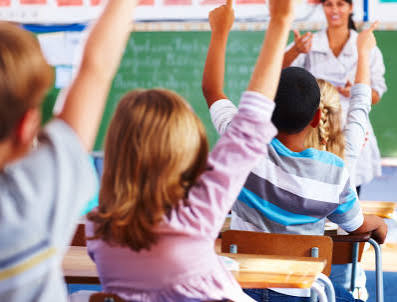
Teachers play an important role in the educational journey of students. They provide knowledge, explain difficult concepts, develop confidence, and encourage students to work toward their goals.
A good teacher understands that every student has different abilities. Some students learn quickly, while others need more time and individual attention. Teachers should create a friendly classroom environment where everyone feels comfortable asking questions and sharing ideas.
Teachers are also role models. Their behavior, communication, discipline, and kindness influence students' personalities. A few encouraging words from a teacher can motivate a student to overcome difficulties and achieve something extraordinary.
Students should respect their teachers, listen carefully to their instructions, and participate actively in classroom activities.
The Importance of Time Management
Time management is an essential skill for successful students. Student life includes many responsibilities, such as attending classes, completing assignments, preparing for examinations, reading books, and participating in extracurricular activities.
Without proper planning, students may waste valuable time and experience unnecessary stress.
Students should create a daily timetable that includes time for studying, resting, exercising, and personal activities. They should complete their homework regularly instead of waiting until the last moment.
Another important habit is setting realistic goals. Students can divide large tasks into smaller activities and complete them step by step.
When students understand the value of time, they become more organized, responsible, and productive.
Challenges Faced by Students
Every student faces challenges during their educational journey. Some students experience financial difficulties, while others struggle with academic pressure, family responsibilities, or a lack of educational resources.
Examinations can also create stress and anxiety. Students sometimes compare their marks with classmates and lose confidence in their abilities.
Another common challenge is distraction. Excessive use of mobile phones, social media, and online games can negatively affect concentration and academic performance.
However, students should understand that difficulties are a natural part of life. Instead of giving up, they should develop patience, determination, and a positive attitude.
They should seek help from teachers, parents, and friends whenever they face problems.
The Role of Technology in Modern Education
Technology has changed the way students learn and access information. In the modern world, students can use computers, smartphones, educational websites, and online learning platforms to improve their knowledge.
They can watch educational videos, attend online classes, read digital books, and learn new professional skills from home.
For example, students can improve their English through online speaking lessons, develop writing skills through practice, and learn computer skills through educational tutorials.
However, technology should be used responsibly. Spending too much time on entertainment and social media can waste valuable study time.
Students should use digital resources for learning, research, creativity, and personal development.
The Importance of Discipline and Good Habits
Discipline is one of the most valuable qualities in student life. It teaches students how to manage their behavior, follow rules, respect others, and remain focused on their responsibilities.
Good habits help students achieve academic success. These include waking up early, attending classes regularly, completing assignments, reading books, and revising lessons.
Students should also maintain a healthy lifestyle by eating balanced meals, drinking enough water, exercising regularly, and getting proper sleep.
Small positive habits can create significant improvements over time. A disciplined student develops self-confidence and learns how to handle responsibilities independently.
The Role of Parents in Students' Development
Parents are the first teachers in every child's life. They provide love, care, guidance, and emotional support. Their encouragement helps students develop confidence and a strong sense of responsibility.
Parents should take an active interest in their children's education. They can help by providing a peaceful study environment, encouraging reading habits, and communicating with teachers.
It is also important for parents to understand that every child has different talents and learning abilities. Comparing children with others can damage their confidence.
Instead, parents should appreciate their efforts, recognize their achievements, and motivate them to improve.
A supportive family environment makes students feel safe, valued, and encouraged.
Developing Confidence and Communication Skills
Confidence and communication skills are essential for students in modern society. Students should learn how to express their thoughts clearly, ask questions, participate in discussions, and share their opinions respectfully.
Reading English books, writing paragraphs, participating in debates, and delivering classroom presentations can improve communication abilities.
Students should not feel embarrassed when they make mistakes. Mistakes are part of learning, and every mistake provides an opportunity for improvement.
Confidence develops through regular practice, preparation, and positive thinking.
The Importance of Extracurricular Activities
Education is not limited to classroom learning. Extracurricular activities such as sports, debates, drawing, writing competitions, public speaking, and cultural events also contribute to students' development.
Sports teach teamwork, patience, discipline, and leadership. Writing activities improve creativity and language skills, while debates develop critical thinking and confidence.
Students should participate in activities according to their interests and abilities. These experiences help them discover hidden talents and build friendships.
A balanced combination of academic studies and extracurricular activities creates a healthy educational experience.
Students as Responsible Citizens
Students are future citizens and leaders of their communities. They should understand their responsibilities toward society and the environment.
They can contribute positively by respecting others, helping people in need, keeping their surroundings clean, protecting public property, and following rules.
Students can also spread awareness about education, cleanliness, environmental protection, and social equality.
Even small actions can create positive changes when young people work together.
Conclusion
Students are the foundation of a successful and developed society. Their knowledge, skills, discipline, creativity, and determination can shape a better future for everyone.
Teachers, parents, and educational institutions should provide students with proper guidance and opportunities to grow. At the same time, students must take responsibility for their own learning and personal development.
Success does not come from marks or certificates alone. It comes from hard work, honesty, patience, confidence, and continuous learning.
Every student has the potential to achieve something meaningful. With education, positive thinking, and dedication, students can turn their dreams into reality and become responsible individuals who make their families, communities, and nations proud.







Comments 0
Sign in to join the conversation.
No comments yet. Be the first to say something.