

Table of Contents
1. Understanding the IMF Program and Its Hidden Impact
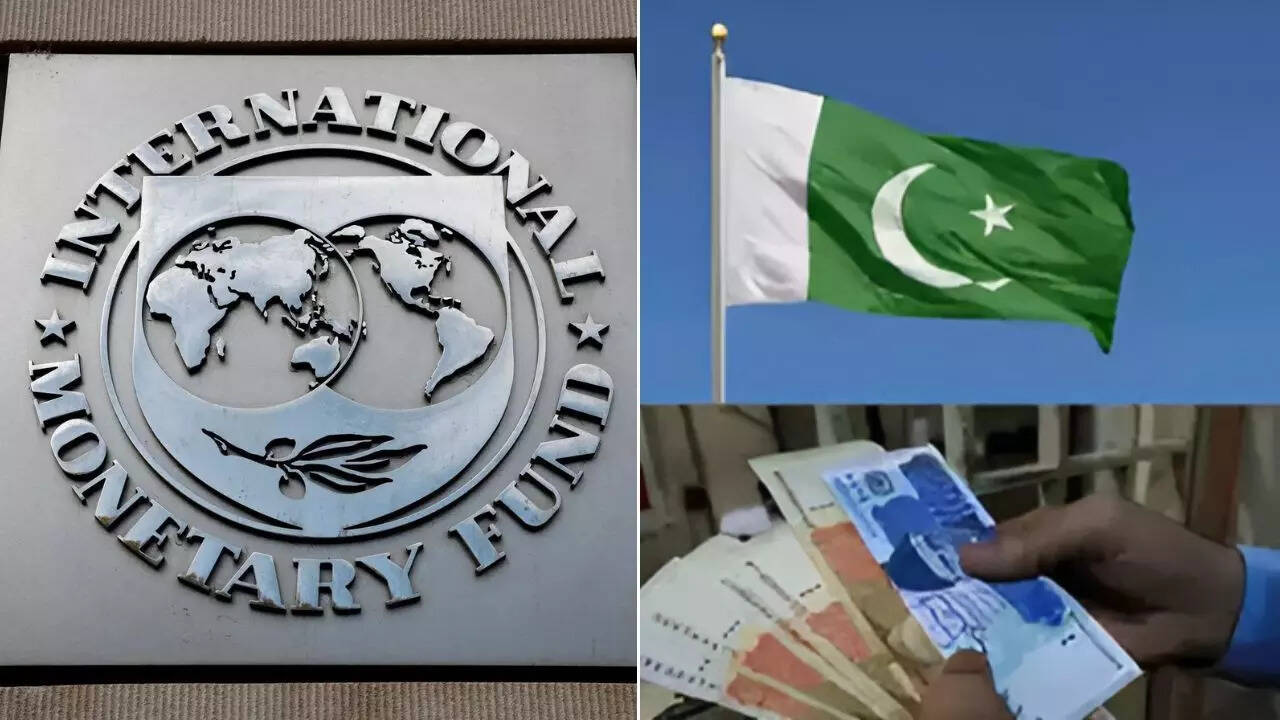
The International Monetary Fund (IMF) program is often presented as a “lifeline” for struggling economies like Pakistan. However, behind this financial support lies a series of strict conditions that deeply affect everyday life. In 2026, Pakistan is once again under an IMF program, negotiating loan tranches worth billions of dollars. While these funds help stabilize foreign reserves and avoid default, the conditions attached to them come with serious consequences for ordinary citizens. (Reuters)
The IMF typically demands policy reforms such as reducing subsidies, increasing taxes, and allowing market-based pricing for fuel and utilities. On paper, these reforms aim to stabilize the economy. But in reality, they shift the burden from the government to the public. Instead of fixing structural inefficiencies, the easiest route is often chosen—passing costs onto consumers.
This is where the “invisible cost” begins. When subsidies are removed or reduced, prices of basic necessities rise. The government may call it “economic adjustment,” but for the average household, it means spending more on flour, vegetables, electricity, and transport.
Moreover, IMF policies emphasize “tight monetary policy,” meaning higher interest rates to control inflation. (Mettis Global) This makes borrowing expensive, slows down business activity, and indirectly affects job opportunities and wages.
In simple terms, while the IMF program stabilizes macroeconomic indicators, it destabilizes household budgets—especially for the poor and middle class who have no safety net.
2. How Fuel Prices Directly Increase Your Grocery Bill
One of the biggest hidden factors behind rising grocery prices is fuel. In 2026, the Pakistani government has committed to the IMF that fuel price increases will be passed directly to consumers if subsidies cannot be maintained. (Profit by Pakistan Today)
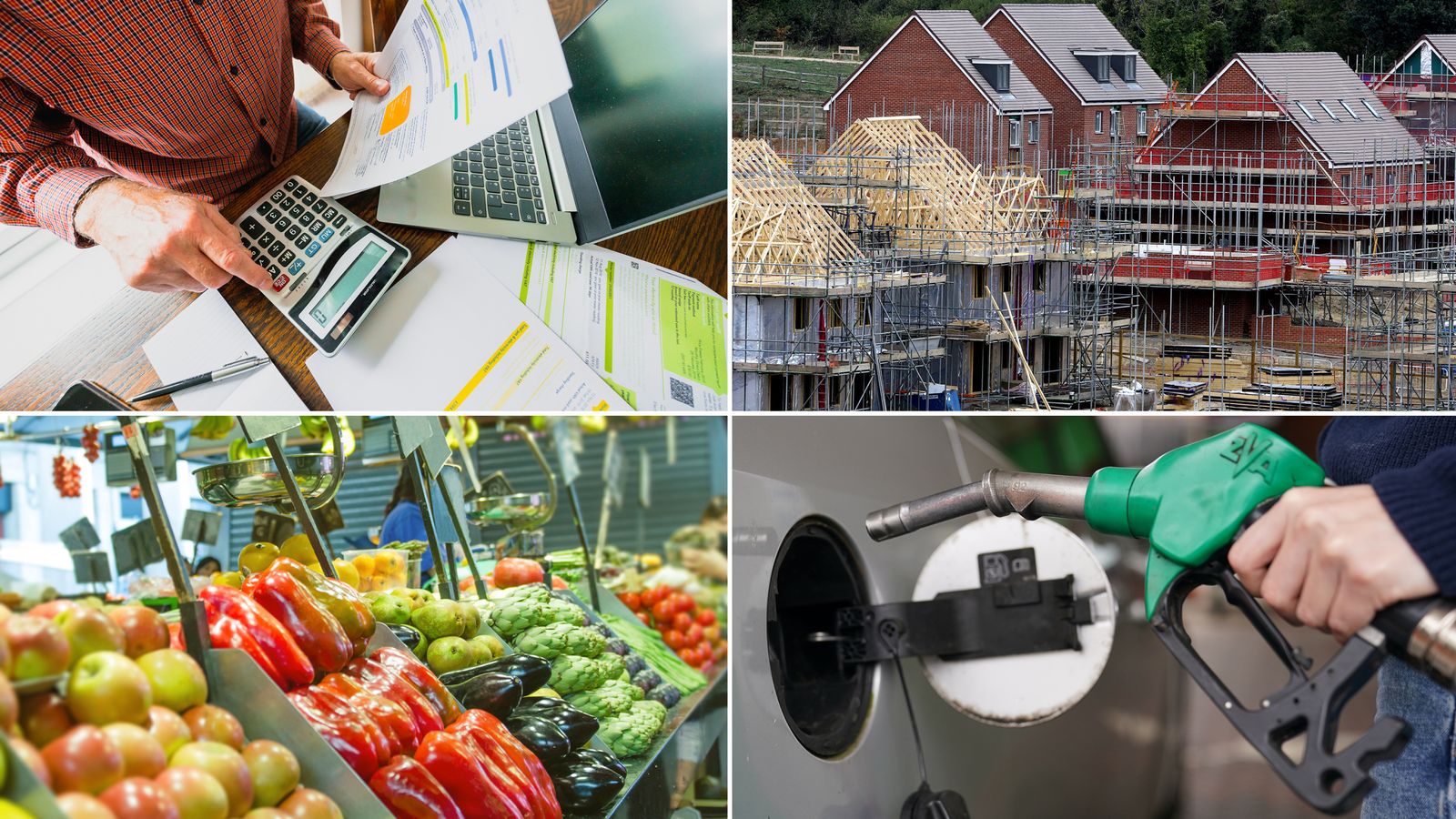
This decision has a domino effect. When petrol and diesel prices rise, transportation costs increase. Goods become more expensive to move from farms to markets. As a result, the cost of food items such as wheat, vegetables, and meat rises significantly.
Recent data shows alarming trends. Wheat prices have surged by over 34%, flour by 23%, and meat by more than 11% year-on-year. (Profit by Pakistan Today) These are not luxury items—they are daily necessities.
Additionally, transport costs alone have increased by over 12%, while electricity and gas prices have also risen sharply. (Geo News) This means every stage of the supply chain—from production to delivery—is becoming more expensive.
The real issue is that these increases are not temporary. IMF conditions require “regular adjustments,” meaning fuel prices can keep rising whenever global oil prices increase. (Profit by Pakistan Today)
So when you pay more for tomatoes or flour, it’s not just inflation—it’s a chain reaction triggered by policy decisions made at the top level, often without considering the daily struggles of ordinary citizens.
3. Government Policies vs Public Reality: Who Really Pays?
Governments often justify IMF agreements by claiming they are necessary for economic stability. However, the reality on the ground tells a different story. Policies are designed in high-level meetings, but their impact is felt in kitchens across the country.
In 2026, the government has agreed to multiple IMF conditions, including reducing subsidies, increasing utility charges, and even preparing for mini-budgets if revenue targets are not met. (The Express Tribune)
These decisions are political. Leaders prioritize securing international funding and maintaining global credibility. But in doing so, they often overlook the immediate suffering of their own population.
For example, targeted subsidies like the Benazir Income Support Programme are increased, but they only benefit a limited segment of society. The middle class—teachers, shopkeepers, office workers—receive no relief. (The Express Tribune)
Meanwhile, government spending inefficiencies, corruption, and tax evasion remain largely unaddressed. Instead of fixing these structural issues, the easier option is to increase taxes and prices for the general public.
This creates a system where the poor get minimal support, the rich remain largely unaffected, and the middle class carries the heaviest burden.

4. Inflation in 2026: The Silent Attack on the Poor and Middle Class
As of March–April 2026, inflation in Pakistan has risen to around 7.3%, reaching a 17-month high. (Geo News) While this number may seem moderate compared to previous years, the real impact is much deeper.
Inflation does not affect everyone equally. The poor and middle class spend a larger portion of their income on food and utilities. So even a small increase in prices hits them harder.
Electricity tariffs, gas charges, and fuel prices have all increased significantly. In fact, energy-related costs are one of the biggest drivers of inflation. (Geo News) IMF-backed reforms in the power sector are expected to further increase electricity bills, especially for middle-income households. (Reuters)
At the same time, wages are not increasing at the same pace. This creates a gap between income and expenses. Families are forced to cut down on essential items, compromise on nutrition, and struggle to maintain their standard of living.
The most alarming part is that inflation is expected to continue rising due to global factors such as oil prices and geopolitical tensions. (Mettis Global)
This means the pressure on households is not temporary—it is becoming a long-term reality.
5. Political Decisions and Their Economic Consequences
Economic policies are never purely economic—they are deeply political. In Pakistan, decisions related to IMF agreements are often influenced by political priorities rather than public welfare.
Governments aim to avoid default, maintain international relations, and secure funding. While these goals are important, the way they are achieved often lacks transparency and accountability.
For example, instead of broad structural reforms, short-term fixes are implemented—such as increasing fuel prices, imposing new taxes, or cutting development budgets. (Profit by Pakistan Today) These measures may satisfy IMF conditions but create long-term economic pain for citizens.
Moreover, political instability and inconsistent policies worsen the situation. Each new government introduces different strategies, leading to uncertainty and lack of continuity in economic planning.
Another major issue is the lack of public consultation. Decisions affecting millions are made without involving the people who will bear the consequences.
This disconnect between policymakers and the public is one of the biggest reasons why economic reforms fail to deliver real benefits to society.
6. The Middle-Class Crisis: Squeezed from All Sides
The middle class is the backbone of any economy, but in Pakistan, it is under immense pressure. Unlike the poor, they do not receive direct financial support. Unlike the rich, they do not have assets or investments to cushion the impact of inflation.
In 2026, the middle class faces rising costs in every aspect of life—food, fuel, electricity, education, and healthcare. At the same time, job security is decreasing, and wages are stagnant.
Interest rate hikes, often recommended by the IMF, make loans more expensive. (ProPakistani) This affects small businesses and individuals who rely on credit for survival.
Additionally, tax policies often target salaried individuals because they are easier to track, while large segments of the economy remain undocumented.
This creates a feeling of injustice. People who already contribute to the economy are forced to pay more, while systemic issues remain unresolved.
If this trend continues, the middle class may shrink further, leading to increased inequality and social instability.





Comments 0
Sign in to join the conversation.
No comments yet. Be the first to say something.