

The Fall of Dhaka – A Historical Tragedy
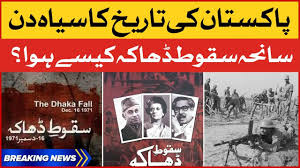
The Fall of Dhaka on December 16, 1971, marked one of the most tragic events in Pakistan’s history. This event led to the separation of East Pakistan, which emerged as an independent country, Bangladesh. The causes behind this national disaster were numerous, including political injustices, economic disparities, ethnic discrimination, and international interference. The loss of East Pakistan was not merely a territorial setback but also a painful lesson in national unity and governance.

Background
At the time of Pakistan’s independence in 1947, the country consisted of two geographically separated regions: East Pakistan (now Bangladesh) and West Pakistan (present-day Pakistan). Despite being part of the same country, differences in language, culture, and political representation created tensions between the two regions. Over time, the people of East Pakistan felt increasingly marginalized, as they believed they were denied their fair share of political power and economic resources.
Political Deprivation
One of the early signs of dissatisfaction emerged in 1952 when the demand to recognize Bengali as a national language was met with resistance. This fueled resentment among the Bengalis. Later, in the general elections of 1970, Sheikh Mujibur Rahman’s Awami League won a landslide victory in East Pakistan, securing a majority in the national assembly. However, instead of transferring power to the winning party, the ruling establishment in West Pakistan delayed the process. This political deadlock deepened the sense of alienation among the Bengalis and pushed them further toward the demand for independence.
Economic and Social Disparities
Economically, East Pakistan was systematically deprived of resources and development opportunities. Despite contributing a significant share to the national GDP, the region received a disproportionately lower share of development funds. Industrial growth and infrastructure projects were focused primarily on West Pakistan, leaving East Pakistan economically underdeveloped. Additionally, Bengalis were underrepresented in the military and civil services, further aggravating their grievances.
Indian Intervention and War
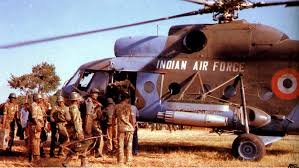
By March 1971, tensions had escalated to a breaking point. When the government launched a military operation against Sheikh Mujibur Rahman and the Awami League, violent clashes erupted across East Pakistan. India took advantage of the situation by providing military and logistical support to the separatist Mukti Bahini fighters. The conflict soon turned into a full-scale war between Pakistan and India. By December 1971, the Indian military invaded East Pakistan, and on December 16, Pakistani forces surrendered in Dhaka, leading to the creation of Bangladesh.
Consequences of the Fall of Dhaka
The Fall of Dhaka was a turning point in Pakistan’s history, serving as a reminder of the importance of political fairness, national integration, and economic equality. It demonstrated that ignoring the legitimate demands of any section of the population could lead to disastrous consequences. Today, this event remains a painful chapter in Pakistan’s past, offering valuable lessons on the significance of unity, justice, and inclusive governance.
The Fall of Dhaka on December 16, 1971, marked one of the most tragic events in Pakistan’s history. This event led to the separation of East Pakistan, which emerged as an independent country, Bangladesh. The causes behind this national disaster were numerous, including political injustices, economic disparities, ethnic discrimination, and international interference. The loss of East Pakistan was not merely a territorial setback but also a painful lesson in national unity and governance.






Comments 0
Sign in to join the conversation.
No comments yet. Be the first to say something.