


The Art of Healthy Living: Simple Lifestyle Changes for a Better Life
Introduction
Lifestyle plays an important role in determining our physical health, mental well-being, happiness, and overall quality of life. The way we eat, sleep, work, exercise, and spend our free time directly affects our daily experiences. In today's busy world, many people focus on professional responsibilities, social activities, and financial goals while forgetting to take care of themselves.
A healthy lifestyle does not mean following a difficult routine or making expensive changes. It means developing small, positive habits that improve our lives over time. Eating nutritious food, staying physically active, getting enough sleep, managing stress, and maintaining positive relationships can make a significant difference.
Living a balanced life is not about being perfect. It is about making better choices every day and creating habits that support long-term happiness and health.
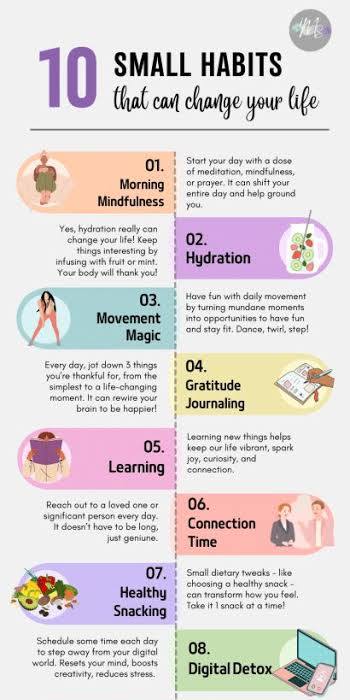
1. Start Your Day with a Positive Morning Routine
A good morning routine can influence the entire day. People who begin their mornings with organized activities often feel more prepared and confident.
Waking up early gives individuals enough time to complete important tasks without unnecessary pressure. Starting the day with prayer, meditation, stretching, or a short walk can create a peaceful mindset.
It is also helpful to avoid checking social media immediately after waking up. Instead, spend a few minutes planning the day and identifying important responsibilities.
A positive morning routine does not need to be complicated. Even fifteen to thirty minutes of peaceful activities can improve daily productivity.
2. Eat Healthy and Balanced Food
Food is one of the most important parts of a healthy lifestyle. Our bodies need essential nutrients to maintain energy, support growth, and protect overall health.
A balanced diet should include fruits, vegetables, whole grains, protein, and healthy fats. Fresh fruits provide vitamins and minerals, while vegetables support digestion and general well-being.
Drinking enough water is equally important. Water helps regulate body temperature, transport nutrients, and maintain normal body functions.
People should also avoid excessive consumption of sugary drinks, highly processed foods, and unhealthy snacks.
Healthy eating does not mean giving up every favourite food. It means maintaining balance and making nutritious choices more frequently.

3. Make Physical Activity Part of Your Life
Regular physical activity is essential for maintaining a healthy body and mind. Exercise improves physical fitness, strengthens muscles, supports heart health, and can improve mood.
People do not always need expensive gym memberships to stay active. Walking, cycling, dancing, swimming, and home workouts are useful ways to include movement in daily life.
Even a short daily walk can help people become more active. Individuals who spend long hours sitting should take regular breaks and move around.
The most important thing is consistency. Choosing an enjoyable physical activity makes it easier to maintain an active lifestyle.
4. Give Importance to Mental Health
Mental health is just as important as physical health. Stress, anxiety, negative thinking, and excessive responsibilities can affect our emotions and daily performance.
People should make time for activities that help them relax. Reading books, spending time in nature, listening to peaceful music, writing a journal, and talking to trusted people can support emotional well-being.
It is also important to understand that everyone experiences difficult days. People should avoid comparing their lives with others because every individual has different experiences, responsibilities, and challenges.
A healthy lifestyle includes taking care of emotional needs and asking for support when necessary.
5. Develop a Healthy Sleep Schedule
Sleep is essential for the body and brain. Proper sleep helps people restore energy, improve concentration, support memory, and maintain emotional balance.
Many individuals stay awake late at night because of mobile phones, television, work, or social media. This habit can disturb their sleeping routine.
Creating a peaceful bedtime routine can improve sleep quality. People should try to sleep and wake up at consistent times, reduce screen use before bedtime, and keep their sleeping environment comfortable.
Getting sufficient sleep is not a waste of time. It is an important investment in long-term health.
6. Maintain Personal Hygiene and Self-Care
Personal hygiene is an important part of everyday life. Keeping the body, clothes, and surroundings clean helps people maintain good health and confidence.
Simple habits such as bathing regularly, brushing teeth, washing hands, wearing clean clothes, and maintaining hair care contribute to personal cleanliness.
Self-care also includes giving yourself time to relax and recharge. It does not always require expensive beauty products or luxury treatments.
A simple skincare routine, healthy food, sufficient sleep, and positive daily habits can support personal well-being.
7. Build Positive Relationships
Human relationships play an important role in a happy lifestyle. Family members, friends, colleagues, and supportive communities can provide encouragement and emotional strength.
Spending quality time with loved ones helps develop stronger connections. Listening carefully, respecting different opinions, and communicating honestly can improve relationships.
People should also learn to establish healthy boundaries. It is important to understand personal limits and maintain a balance between helping others and taking care of personal needs.
Positive relationships create a supportive environment where individuals feel valued and understood.
8. Reduce Excessive Screen Time
Technology has made communication, education, entertainment, and professional work easier. However, spending too much time on mobile phones and computers can affect daily routines.
Excessive screen time may reduce physical activity, disturb sleep, and distract people from important responsibilities.
One useful solution is to establish specific times for checking social media. People can also enjoy offline activities such as reading, gardening, cooking, walking, or spending time with family.
Using technology wisely allows individuals to enjoy its benefits without allowing it to control their entire day.
9. Manage Time and Set Personal Goals
Time management is an important skill for maintaining a balanced lifestyle. When people organize their responsibilities, they can complete important tasks more effectively.
Creating a daily schedule helps individuals manage work, education, family responsibilities, exercise, and relaxation.
Setting realistic goals also provides direction and motivation. Instead of trying to change everything in one day, people should focus on small improvements.
For example, someone can begin by reading ten pages daily, walking for twenty minutes, or learning a new skill.
Small achievements build confidence and encourage long-term progress.
10. Enjoy Nature and Outdoor Activities
Spending time outdoors can bring positive changes to daily life. Fresh air, natural surroundings, sunlight, and green spaces provide opportunities to relax and take a break from busy schedules.
Walking in a park, gardening, visiting natural places, or enjoying outdoor activities with family can make everyday life more enjoyable.
Nature also encourages people to move their bodies and spend less time in front of screens.
Even a short outdoor break can help people feel refreshed and return to their responsibilities with a better mindset.
11. Practice Gratitude and Positive Thinking
Gratitude means appreciating the positive things in life. It encourages individuals to recognize their blessings rather than focusing only on difficulties.
People can develop gratitude by writing down three things they appreciate every day. These may include supportive family members, good health, educational opportunities, personal achievements, or simple moments of happiness.
Positive thinking does not mean ignoring problems. Instead, it means facing challenges with hope, patience, and a practical attitude.
Developing this habit can help people appreciate their progress and maintain a healthier outlook on life.
Conclusion
A healthy lifestyle is created through small and consistent decisions. Eating balanced meals, exercising regularly, sleeping properly, maintaining personal hygiene, managing stress, and building positive relationships are essential parts of a balanced life.
People do not need to change everything immediately. Beginning with one or two healthy habits can create meaningful improvements over time.
The secret to a better lifestyle is consistency, self-respect, and balance. When individuals give importance to their physical health, mental well-being, relationships, and personal development, they can enjoy a happier and more productive life.
Remember that a better lifestyle begins with the choices you make today.
WRITTEN BY NIMRA BHATTI





Comments 0
Sign in to join the conversation.
No comments yet. Be the first to say something.