

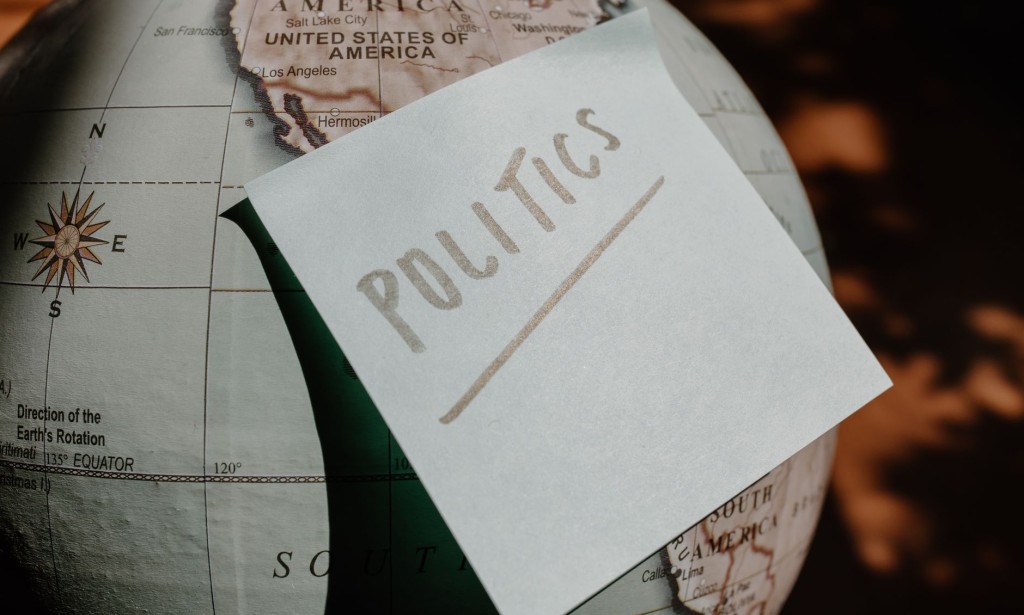
Key Political Changes to Watch in 2025
As the world enters 2025, political dynamics across continents are shifting in bold and unpredictable ways. From sweeping reforms to emerging political movements and technological disruptions in governance, this year is shaping up to be a pivotal moment in global politics. Here are the key political changes and trends to watch in 2025
1. Leadership Transitions Across Continents
Several countries are experiencing major leadership changes this year, whether through elections, term limits, or internal party shifts. These transitions could reset domestic policies and redefine foreign relations.
-
United States: With the 2024 election behind, President [Insert Winner’s Name] begins their term with challenges ranging from economic recovery to international diplomacy. The administration’s early moves will set the tone for the next four years.
-
United Kingdom: After political instability and leadership turnover in recent years, the 2025 general election could deliver a more decisive parliamentary mandate or further fragmentation.
-
India: With national elections looming, political alliances are shifting. The outcome could reshape India's domestic priorities and its role in the Global South.
-

2. Rise of Youth-Driven Politics
The influence of younger generations—particularly Millennials and Gen Z—continues to grow. In 2025, their political engagement is pushing governments to address climate change, tech regulation, education reform, and social justice more aggressively.
Youth-led movements are also contributing to increased voter turnout and the election of younger, more diverse political leaders. These generations are not only changing policy priorities but also political style—favoring transparency, digital engagement, and grassroots activism.
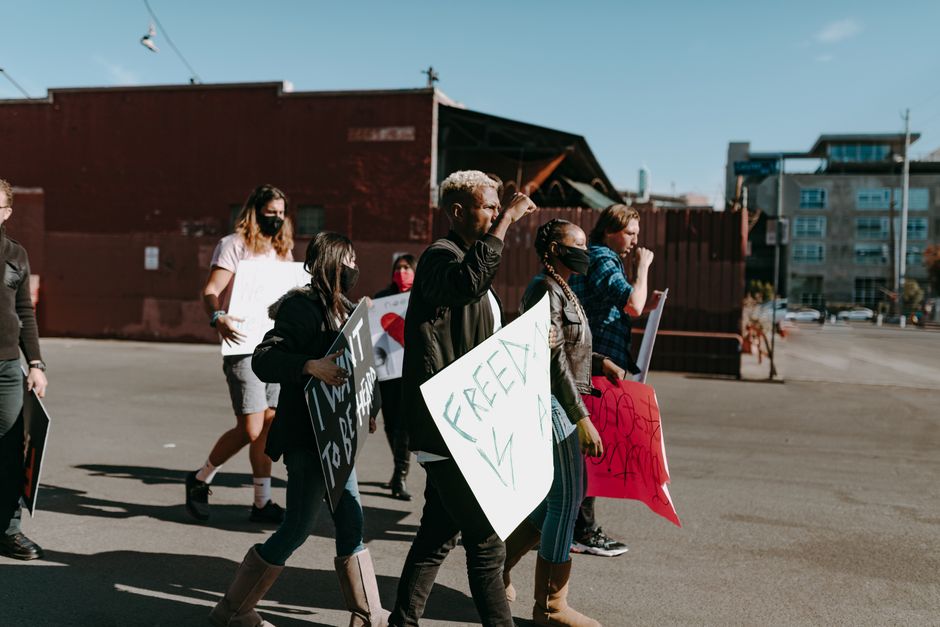
3. Digital Democracy and AI in Governance
Technology is transforming politics at a rapid pace. In 2025, governments are exploring the use of AI and blockchain for voting systems, public services, and policy analysis. At the same time, concerns about digital surveillance, misinformation, and cyber threats remain front and center.
Nations are also grappling with how to regulate powerful tech companies and protect democratic processes in an age of deepfakes and algorithm-driven content. Expect further debates around data privacy, AI ethics, and online censorship.
4. Climate Policy as a Political Battleground
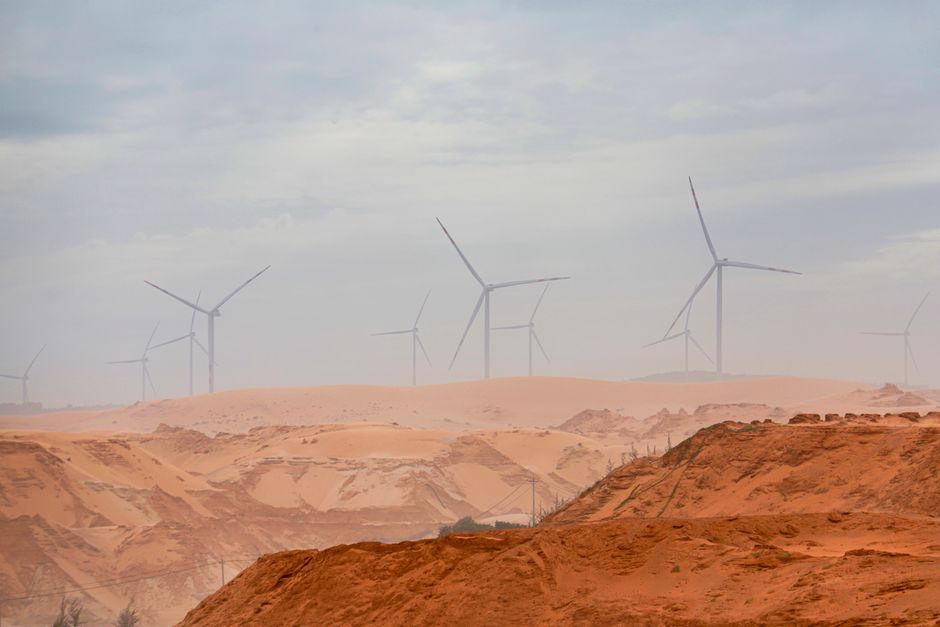
Climate change is now a defining issue in global politics. In 2025, governments are under immense pressure to meet international climate commitments and respond to growing climate-related disasters.
-
EU Green Deal 2.0 is being negotiated, setting more ambitious targets for carbon neutrality.
-
Countries in the Global South are demanding climate financing and debt relief.
-
In nations like Australia, Brazil, and the U.S., climate policy is now a top electoral issue.
Political parties are increasingly defined by how aggressively they pursue environmental reform.
5. Populism and Political Polarization
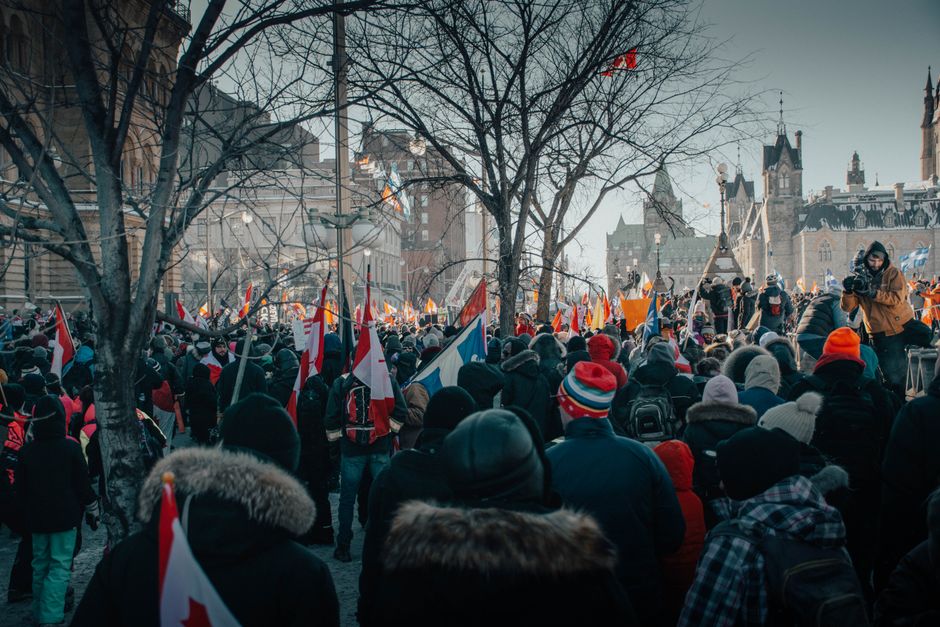
Populist leaders continue to shape the political discourse in both democracies and authoritarian states. In some regions, populism is evolving—less about nationalism, and more about anti-elitism and skepticism of global institutions.
In Latin America, Eastern Europe, and Southeast Asia, populist parties are gaining ground by addressing economic inequality and cultural identity. Meanwhile, in Western democracies, polarization between progressive and conservative forces is fueling contentious debates around immigration, education, and national identity.
6. Geopolitical Realignments
The global power structure is undergoing shifts as countries reassess their alliances:
-
China and the U.S. continue their strategic rivalry, particularly over trade, technology, and military influence in the Indo-Pacific.
-
BRICS nations (Brazil, Russia, India, China, South Africa) are expanding economic cooperation and seeking a stronger voice in global institutions like the IMF and UN.
-
The Middle East is seeing renewed diplomacy, with normalization talks between Israel and Arab states continuing despite regional tensions.
New alliances and strategic partnerships are redrawing the global map.

7. Focus on Human Rights and Democracy
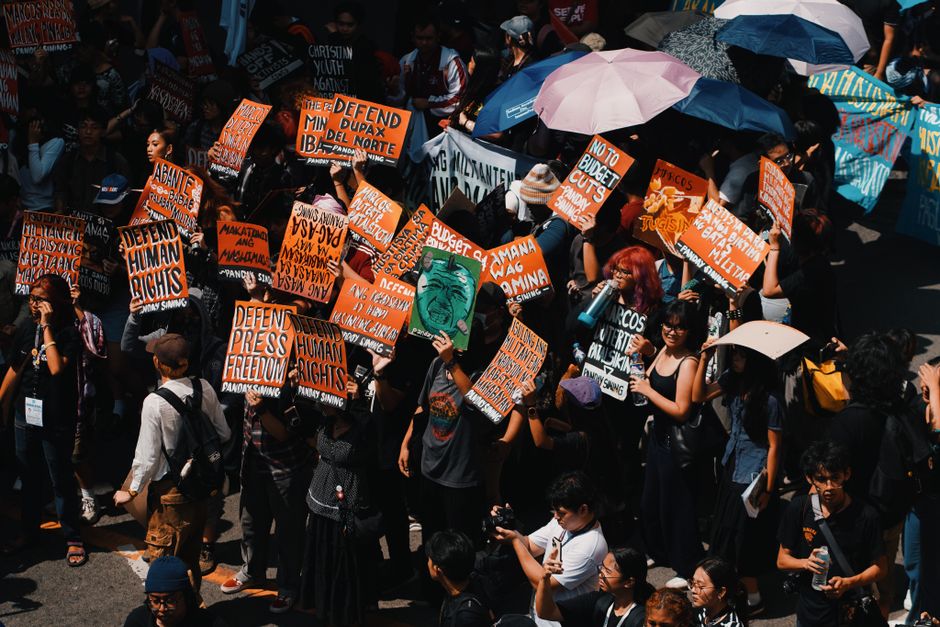
In response to global protests and political unrest, human rights and democratic accountability are front and center. Countries like Iran, Myanmar, and Belarus face ongoing civil resistance, while international organizations are under pressure to intervene more effectively.
In Africa, several countries—including Sudan and Ethiopia—are transitioning through fragile peace processes, monitored closely by the international community. Meanwhile, the global push to decolonize aid, reform institutions, and support grassroots civil society movements is gaining momentum.
8. Migration and Border Politics
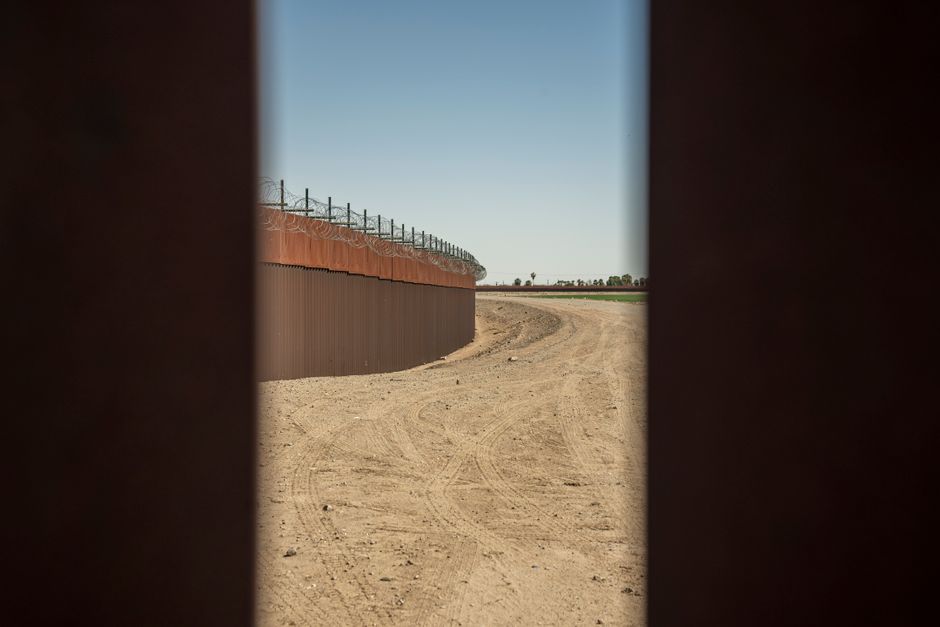
Climate change, conflict, and economic instability continue to drive migration. In 2025, countries are redefining their border and asylum policies.
-
The European Union is debating a unified migration framework.
-
The U.S. is under pressure to reform its immigration system amidst growing humanitarian crises at the southern border.
-
Regions like West Africa and Central America face internal displacement and cross-border migration, challenging regional cooperation.
Migration is increasingly seen not just as a humanitarian issue, but as a core component of national security and economic policy.
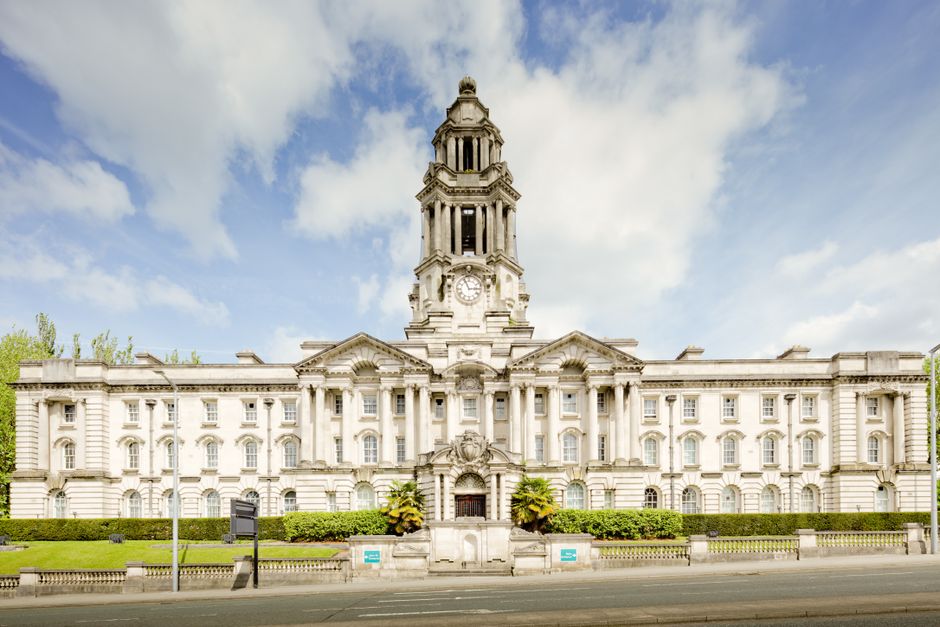
9. The Return of Local Governance
As citizens lose faith in national governments, many are turning to local governance for action. Cities are becoming political power centers—driving innovation in housing, transport, climate, and public health.
In 2025, expect mayors and local councils to play larger roles in shaping policy, especially in federal systems. The rise of “city diplomacy” also means more urban centers are forming cross-border partnerships to address shared challenges.
10. A Turning Point for Global Institutions
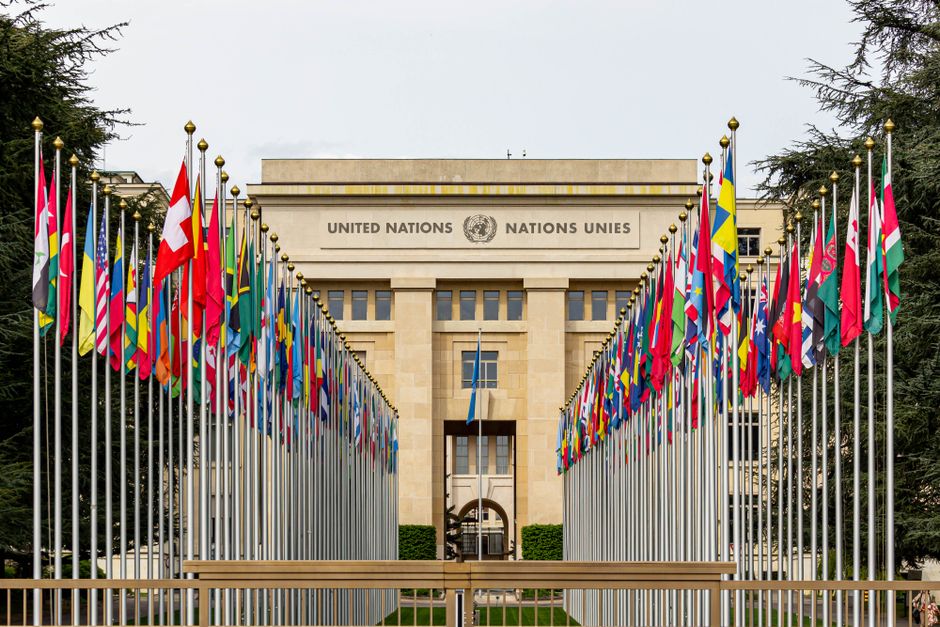
International organizations are being called to reform in response to global crises. The United Nations, World Bank, and World Health Organization face mounting pressure to improve transparency, equity, and representation.
2025 could be a turning point: either these institutions adapt to better reflect a multipolar world, or face further decline in influence. Proposals for restructuring voting systems, leadership selection, and funding mechanisms are already on the table.
Conclusion: A Defining Year
2025 is not just another year in politics—it may be a defining one. With generational change, technological disruption, and global realignments all in motion, the decisions made this year will shape the future of governance, rights, and democracy worldwide.
Staying informed, engaged, and adaptable will be critical—for leaders and citizens alike.






Comments 0
Sign in to join the conversation.
No comments yet. Be the first to say something.