

Doctors Are Shocked: This Simple Breakfast Habit May Lower Cholesterol in Just Days

Introduction
High cholesterol is one of the most common hidden health risks affecting millions of people worldwide. What makes it particularly dangerous is that it usually develops silently, without obvious symptoms. Many people only discover they have high cholesterol after experiencing serious health issues such as heart disease, stroke, or blocked arteries.
For decades, doctors have emphasized medication, strict diets, and intense lifestyle changes to control cholesterol levels. While these methods are effective, new research and nutritional insights suggest that one surprisingly simple daily habit could help lower cholesterol much faster than many people expect.
The habit begins at the most important meal of the day: breakfast.
Recent studies and clinical observations have revealed that making one specific change to your morning routine can significantly improve cholesterol levels within just a few days. This discovery has surprised many doctors and nutrition experts because it is both simple and accessible to almost everyone.
Instead of complicated diets or expensive supplements, this method focuses on starting your day with a specific type of fiber-rich breakfast that directly targets cholesterol in the body.
Even more surprising, many people already have the key ingredient sitting in their kitchen — but they may not realize its powerful effect on heart health.
In this article, we will explore:
The breakfast habit that doctors say can reduce cholesterol quickly
The science behind how it works inside your body
The foods that deliver the strongest cholesterol-lowering effect
The mistakes that cancel the benefits
How to follow this habit for maximum results
If you are concerned about cholesterol levels, heart disease, or simply want a healthier start to your day, this simple breakfast habit might be one of the easiest lifestyle changes you can make.
Understanding Cholesterol Before Changing Your Breakfast
Before discussing the breakfast habit itself, it is important to understand what cholesterol actually is and why controlling it matters.
What Is Cholesterol?
Cholesterol is a waxy, fat-like substance found in your blood. Your body needs cholesterol to build cells, produce hormones, and support digestion.
However, too much cholesterol in the bloodstream can create serious health problems.
Cholesterol travels through the blood using particles called lipoproteins, mainly:
LDL (Low-Density Lipoprotein) – Often called “bad cholesterol”
HDL (High-Density Lipoprotein) – Known as “good cholesterol”
LDL – The Dangerous Cholesterol
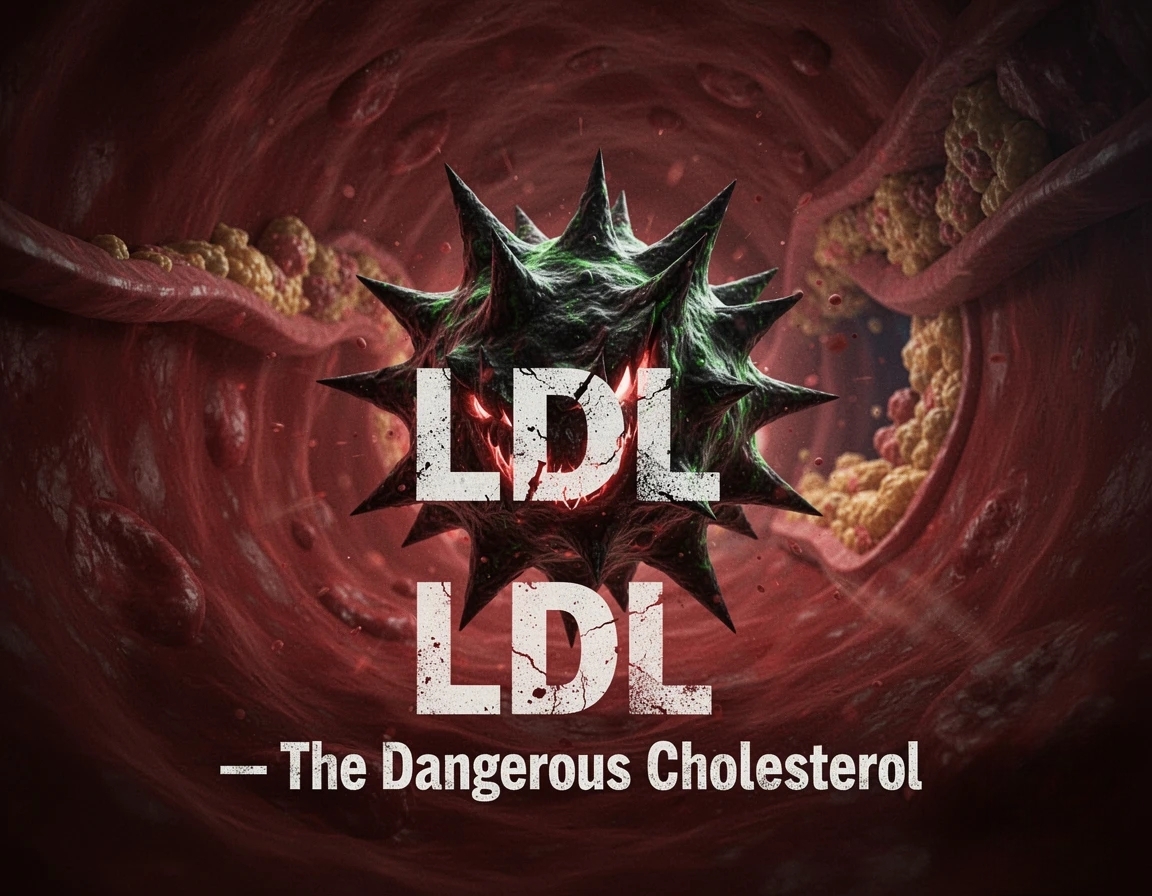
LDL cholesterol can build up inside artery walls, forming plaques that narrow blood vessels.
This process can lead to:
Heart attacks
Stroke
High blood pressure
Blocked arteries
HDL – The Protective Cholesterol
HDL cholesterol helps remove excess cholesterol from the bloodstream and carries it back to the liver for disposal.
Higher HDL levels usually mean better heart protection.
Why Breakfast Plays a Powerful Role in Cholesterol
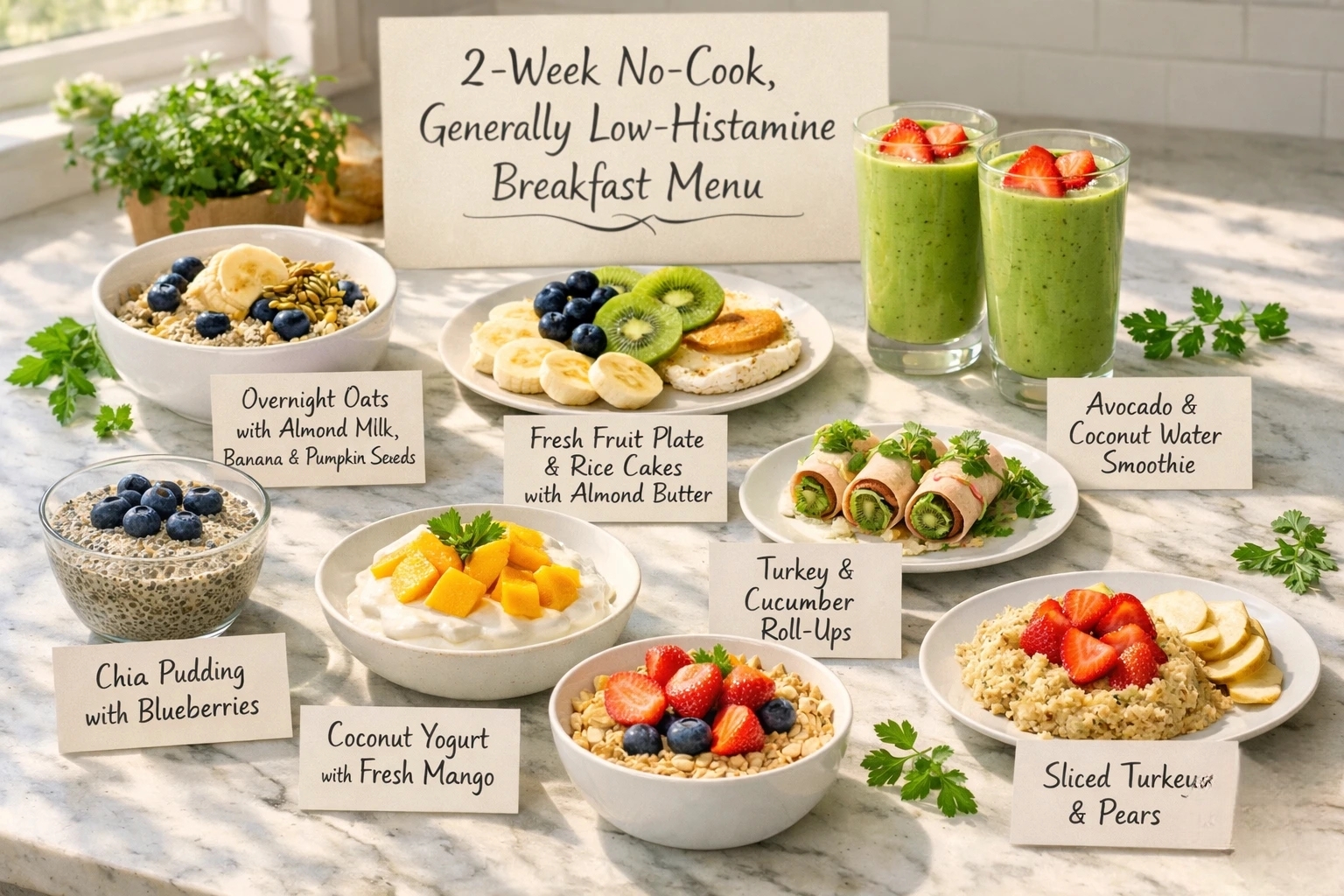
Many people underestimate the importance of breakfast when it comes to heart health.
However, the first meal of the day has a major influence on how your body handles fats and cholesterol.
Your Body’s Metabolism in the Morning
After a night of fasting during sleep, your body wakes up in a metabolic reset state.
During this time:
Blood sugar is low
Hormones that control metabolism are highly active
The digestive system becomes more responsive to nutrients
This makes breakfast an ideal opportunity to introduce foods that can actively remove cholesterol from the bloodstream.
The Simple Breakfast Habit That May Lower Cholesterol
The habit that has surprised many doctors is incredibly simple:
Eating a High-Soluble-Fiber Breakfast Every Morning
Soluble fiber is a type of fiber that dissolves in water and forms a gel-like substance in the digestive system.
This gel binds with cholesterol and prevents it from entering the bloodstream.
Instead, the cholesterol is removed from the body through digestion.
Foods Rich in Soluble Fiber
Some of the most powerful soluble-fiber foods include:
Oatmeal
Oat bran
Barley
Apples
Bananas
Chia seeds
Flaxseeds
Beans
Lentils
Among these foods, oatmeal stands out as one of the most effective cholesterol-lowering breakfasts.
Why Oatmeal Is a Cholesterol-Lowering Superstar
Oatmeal contains a unique soluble fiber called beta-glucan, which has been extensively studied for its impact on heart health.
How Beta-Glucan Works
Beta-glucan lowers cholesterol through several mechanisms:
1. Blocks Cholesterol Absorption
When beta-glucan forms a gel in the digestive tract, it traps cholesterol and bile acids.
This prevents cholesterol from entering the bloodstream.
2. Forces the Body to Use Stored Cholesterol
Since bile acids are removed from the body, the liver must produce more.
To do this, it uses cholesterol already circulating in the blood.
This process reduces LDL levels naturally.
3. Improves Gut Health
Beta-glucan feeds beneficial gut bacteria, which may also influence cholesterol metabolism.
How Fast Can Cholesterol Improve?
While cholesterol reduction usually takes weeks or months, studies show that soluble fiber can begin affecting cholesterol levels within days.
Many people see measurable improvements in 1–2 weeks when consistently eating soluble-fiber-rich breakfasts.
Factors that influence results include:
Starting cholesterol levels
Overall diet
Physical activity
Genetics
However, even small reductions can significantly reduce heart disease risk.
The Ideal Cholesterol-Lowering Breakfast
If you want maximum benefits, the goal is to create a balanced breakfast rich in soluble fiber, healthy fats, and nutrients.
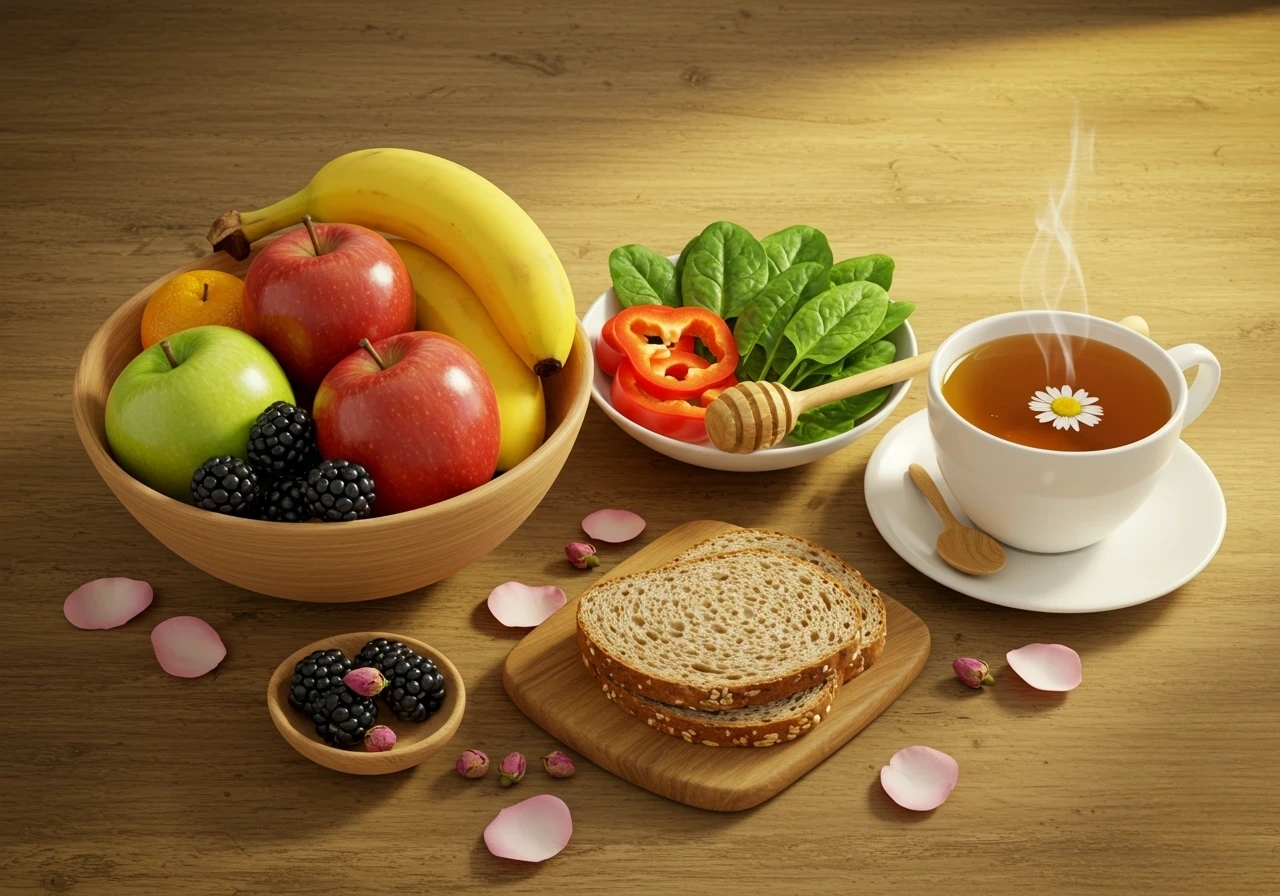
Example of a Powerful Breakfast
Heart-Healthy Oatmeal Bowl
Ingredients:
1 bowl oatmeal
1 sliced banana
1 tablespoon chia seeds
1 tablespoon flaxseeds
A handful of berries
A few almonds or walnuts
Benefits:
High soluble fiber
Healthy omega-3 fats
Antioxidants
Natural sweetness without added sugar
Other Breakfast Foods That Lower Cholesterol
While oatmeal is powerful, other breakfast foods can also support cholesterol reduction.
1. Apples
Apples contain pectin, a soluble fiber known for lowering LDL cholesterol.
Eating an apple with breakfast adds an extra cholesterol-fighting boost.
2. Chia Seeds
Chia seeds are rich in:
Soluble fiber
Omega-3 fatty acids
Plant protein
Just one tablespoon can add significant heart-health benefits.
3. Flaxseeds
Flaxseeds help reduce cholesterol through:
Fiber
Lignans
Healthy fats
Ground flaxseed works best because the body absorbs it more easily.
4. Berries
Berries contain antioxidants and fiber that support heart health.
Good options include:
Strawberries
Blueberries
Raspberries
Breakfast Habits That Increase Cholesterol
While some breakfasts lower cholesterol, others can raise it significantly.
Avoid these common morning mistakes.
Sugary Cereals
Many breakfast cereals contain large amounts of:
Added sugar
Refined carbohydrates
These can increase triglycerides and worsen cholesterol levels.
Processed Meats
Foods like:
Bacon
Sausage
Processed deli meats
contain saturated fats that raise LDL cholesterol.
Pastries and Donuts
These foods are high in:
Trans fats
Sugar
Refined flour
They can rapidly increase unhealthy cholesterol levels.
Additional Lifestyle Habits That Boost the Effect
The breakfast habit works even better when combined with other healthy practices.
1. Regular Exercise
Physical activity helps increase HDL cholesterol while lowering LDL.
Even 30 minutes of walking daily can make a difference.
2. Healthy Fats
Include sources of healthy fats like:
Avocados
Olive oil
Nuts
Seeds
These fats improve cholesterol balance.
3. Better Sleep
Poor sleep has been linked to increased cholesterol and heart disease risk.
Aim for 7–9 hours of sleep each night.
4. Reduce Processed Foods
Processed foods often contain:
Trans fats
Excess sugar
Refined carbohydrates
These contribute to high cholesterol.
The Science Behind Fiber and Heart Health
The link between fiber and cholesterol has been studied for decades.
Research consistently shows that higher fiber intake reduces heart disease risk.
Key Findings from Studies
Scientific studies have found that:
3 grams of beta-glucan daily can significantly reduce LDL cholesterol
Whole grains reduce cardiovascular disease risk
High-fiber diets improve gut bacteria that influence metabolism
This is why doctors increasingly recommend fiber-rich breakfasts.

How to Start This Habit Today
Making the switch to a cholesterol-friendly breakfast is easier than many people think.
Step-by-Step Plan
Replace sugary cereals with oatmeal.
Add one fruit like banana or apple.
Sprinkle chia or flaxseeds.
Include a small handful of nuts.
Avoid added sugar.
This simple routine takes only 5–10 minutes to prepare.
Who Should Try This Breakfast Habit?
This habit is especially beneficial for people who:
Have high cholesterol
Have a family history of heart disease
Want to lose weight
Want better digestion
Want to improve heart health naturally
However, anyone can benefit from adding more soluble fiber to their diet.
When to See a Doctor
While diet can help improve cholesterol levels, it should not replace medical care when needed.
You should consult a doctor if:
Your cholesterol levels are very high
You have heart disease risk factors
You experience chest pain or other symptoms
Doctors may combine diet changes with medication if necessary.
The Bigger Picture: Small Habits, Big Health Impact
One of the biggest lessons from modern nutrition research is that small daily habits can produce powerful long-term health effects.
Breakfast is one of the easiest places to start because it is a routine most people follow every day.
Replacing an unhealthy breakfast with a fiber-rich one may seem like a small change, but over weeks, months, and years, it can significantly improve heart health.
Conclusion
High cholesterol is a major health concern, but controlling it does not always require complicated diets or drastic lifestyle changes.
One of the most effective strategies may be as simple as changing what you eat for breakfast.
By choosing foods rich in soluble fiber — especially oatmeal — you can help your body naturally remove excess cholesterol from the bloodstream.
This simple habit works by:
Blocking cholesterol absorption
Encouraging the body to remove stored cholesterol
Supporting healthy gut bacteria
Combined with regular exercise, better sleep, and a balanced diet, this breakfast routine can play a powerful role in protecting your heart.
Doctors may be surprised by how effective such a simple habit can be, but the science behind fiber and cholesterol is becoming clearer every year.
Sometimes the most powerful health changes start with something small — like the first meal of the day.

You must be logged in to post a comment.