

Introduction
Mehndi design is one of the most beautiful and meaningful traditions in South Asian culture. It represents joy, celebration, and artistic expression. The practice of applying mehndi on hands and feet is especially popular in countries like Pakistan and India, where it plays an important role in weddings, festivals, and family gatherings.
For centuries, people have used natural henna to decorate their hands with intricate patterns and symbols. These designs are not only visually attractive but also carry cultural and emotional significance. From traditional bridal patterns to modern minimal styles, mehndi design continues to evolve with changing fashion trends.
Today, mehndi art has become popular worldwide. Social media platforms and fashion blogs frequently showcase creative patterns that inspire people to experiment with new styles and techniques.
History of Mehndi Design
The history of mehndi dates back thousands of years. Ancient civilizations used henna as a natural dye for decorating the body and coloring hair. Historical records suggest that henna was used in the Middle East, South Asia, and North Africa long before modern cosmetic products were introduced.
Over time, mehndi became associated with celebrations and cultural rituals. In many South Asian wedding traditions, the mehndi ceremony is one of the most joyful events before the wedding day. During this ceremony, family members and friends gather together to celebrate while the bride’s hands and feet are decorated with beautiful designs.
The tradition symbolizes happiness, love, and prosperity for the bride and groom. In many communities, darker mehndi color is believed to represent stronger love and affection between the couple.
Popular Types of Mehndi Designs
Mehndi art has developed into several unique styles. Each style reflects different cultural influences and artistic techniques.
Traditional Bridal Mehndi
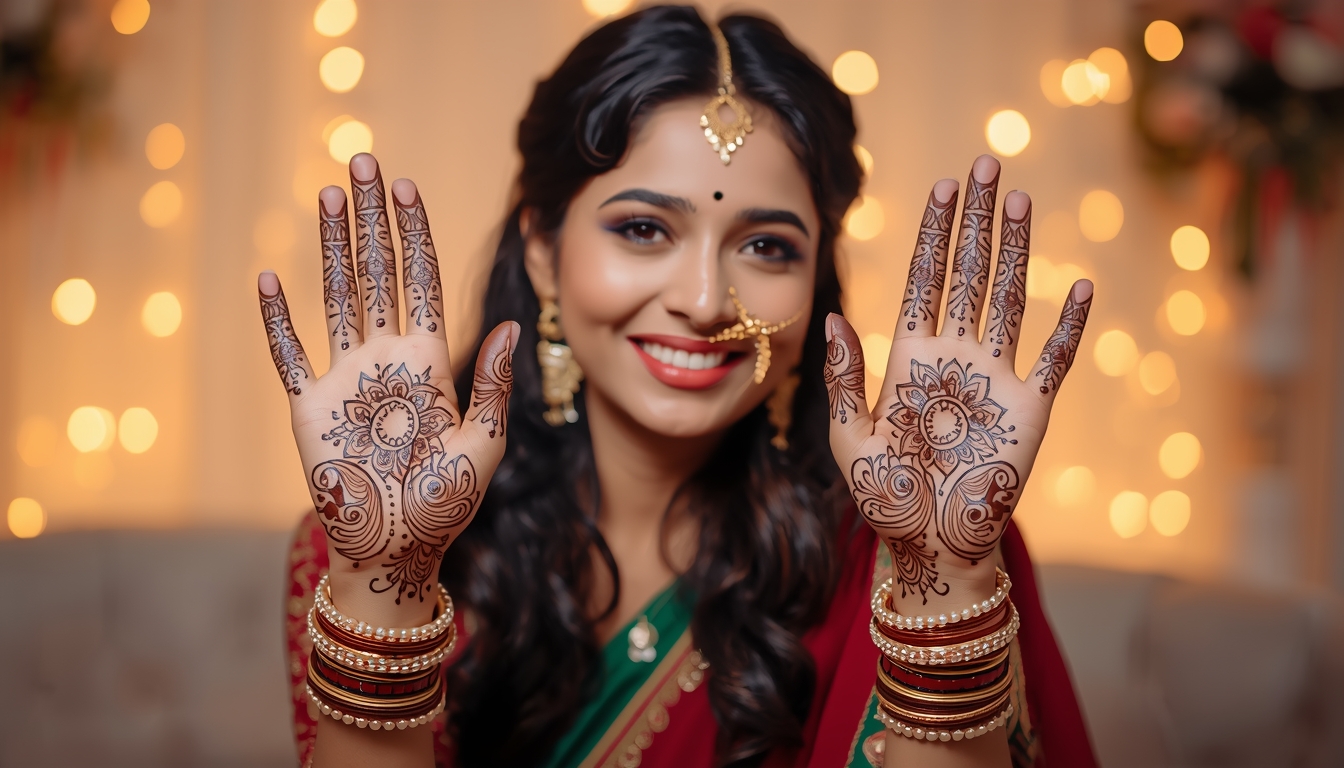
Bridal mehndi is the most detailed and complex style. It usually covers the bride’s hands up to the arms and sometimes extends to the feet and legs. These designs include floral patterns, paisleys, geometric shapes, and symbolic elements representing love and prosperity.
Arabic Mehndi Design
Arabic mehndi designs are known for their bold outlines and flowing patterns. They often include large floral motifs connected with curved lines. These designs are popular because they look elegant while taking less time to apply compared to traditional bridal patterns.
Simple Mehndi Design
Simple mehndi designs are perfect for casual events and beginners. These patterns include small flowers, vines, and minimal shapes that create a stylish yet uncomplicated look.
Modern Minimal Mehndi
Modern mehndi trends often focus on minimal patterns with clean lines and unique placements. Many people now prefer small designs on the back of the hand, fingers, or wrist.
Mehndi in Weddings and Festivals
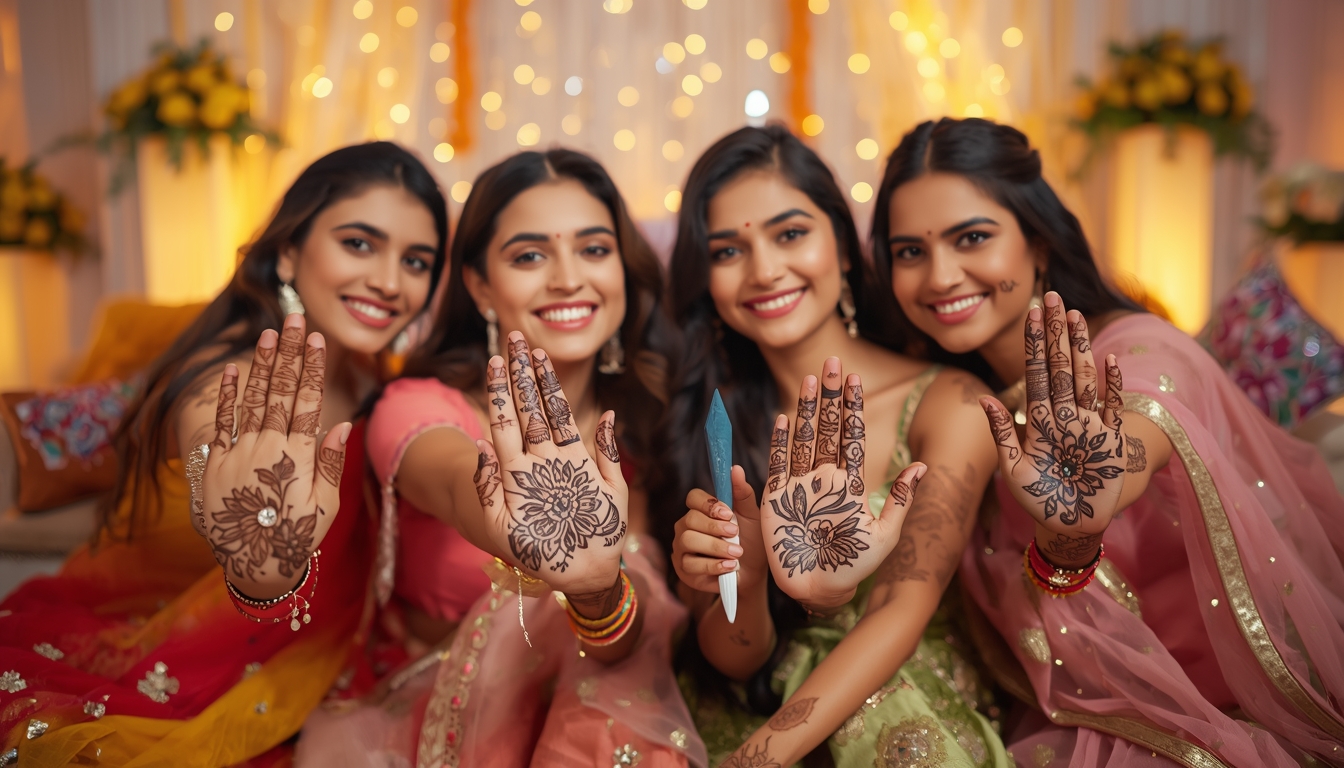
Mehndi plays an important role in many cultural celebrations. In weddings, the mehndi ceremony is a joyful event where music, dancing, and laughter create a festive atmosphere.
Apart from weddings, mehndi is also applied during religious festivals such as Eid al-Fitr and Eid al-Adha. Women and girls decorate their hands with beautiful patterns to celebrate the occasion.
The art of mehndi is often passed from one generation to another. Mothers and grandmothers teach younger family members how to apply traditional patterns, keeping the cultural heritage alive.
Modern Trends in Mehndi Art
In recent years, mehndi design has experienced a creative transformation. Professional artists now experiment with fusion styles that combine traditional elements with modern aesthetics.
Glitter mehndi, colored henna, and gemstone decorations are becoming increasingly popular in fashion events and bridal shows. Social media platforms have also helped mehndi artists gain international recognition.
Many brides now choose personalized mehndi designs that include meaningful symbols, initials of the couple, or storytelling elements representing their relationship.
Tips for Long-Lasting Mehndi Color
Achieving a dark and long-lasting mehndi color requires proper care before and after application.
First, the skin should be clean and free from oils or lotions before applying henna. After the design is completed, it is recommended to leave the paste on the skin for several hours so the color can develop properly.
Applying natural oils such as coconut oil or clove steam can help enhance the color. Avoid washing the design with water immediately after removing the dried henna paste.
Proper care can help the design stay vibrant for several days, making the artwork more noticeable and beautiful.
Conclusion
Mehndi design is more than just body decoration; it is a cultural tradition that represents joy, celebration, and artistic creativity. From traditional bridal patterns to modern minimal designs, mehndi continues to evolve while preserving its cultural roots.
As fashion trends change and new artistic styles emerge, mehndi remains a timeless symbol of beauty and celebration. Whether applied during weddings, festivals, or casual gatherings, this art form continues to bring happiness and elegance to special occasions.
Key Takeaways
-
Mehndi design is an important cultural tradition in South Asian celebrations.
-
It is commonly used during weddings and festivals.
-
Different styles include Arabic, bridal, simple, and modern mehndi designs.
-
Proper care can help achieve darker and longer-lasting mehndi color.
FAQ / Frequently Asked Questions
What is mehndi made from?
Mehndi is made from the powdered leaves of the henna plant, which produces a natural reddish-brown dye.
How long does mehndi last on the skin?
Mehndi usually lasts between one to two weeks depending on skin type and aftercare.
Why is mehndi important in weddings?
Mehndi symbolizes happiness, love, and prosperity for the bride and groom.
Final Thoughts
Mehndi art beautifully combines culture, creativity, and celebration. Its timeless designs continue to inspire people across generations and cultures.
References / Sources
-
Cultural studies of henna traditions
-
Fashion and beauty trend reports
-
Traditional South Asian wedding customs

You must be logged in to post a comment.