


Introduction: In recent years, solar energy has become one of the most popular and sustainable methods for generating power. As the solar market continues to grow, the need for high-quality, efficient solar panels becomes more critical. Solar panels are key components of photovoltaic (PV) systems, and selecting the right one can greatly affect both the short-term and long-term performance of the system.
When choosing solar panels, many factors come into play, but electrical parameters are among the most important considerations. Understanding how these parameters influence panel performance allows consumers and professionals alike to identify high-quality solar panels that provide maximum energy output, durability, and cost-effectiveness.
This article provides a comprehensive guide to the key electrical parameters that define high-quality solar panels and how these factors contribute to a panel’s overall performance.
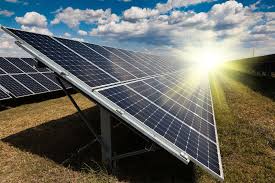
Key Electrical Parameters to Assess Solar Panel Quality
There are several electrical parameters that help assess the performance and quality of solar panels. Below are the most important ones:
-
Efficiency: Efficiency refers to how effectively a solar panel converts sunlight into electrical energy. It is calculated as the ratio of the electrical output to the solar energy input. Higher efficiency means that a panel can produce more power in a given space. For example, a panel with an efficiency of 20% will convert 20% of the incoming sunlight into electricity.
The efficiency of solar panels is typically determined by their materials, design, and construction. Monocrystalline panels tend to be the most efficient, with efficiencies reaching around 22–24%, while polycrystalline panels tend to be slightly less efficient at around 15–20%. However, efficiency can also depend on factors like temperature and solar irradiance.
Why Efficiency Matters: The higher the efficiency, the fewer panels you will need to install to generate the same amount of electricity. This is particularly important for limited roof space or when maximum energy production is required.
-
Power Output (Wattage): Power output refers to the amount of electricity a solar panel can produce under standard test conditions (STC). It is typically measured in watts (W). The power output of a panel depends on its size, efficiency, and the technology used in its construction.
Why Power Output Matters: Higher wattage indicates that a panel can generate more electricity, which directly impacts the overall performance of a solar system. Larger panels with higher wattage ratings can help meet energy demands more efficiently.
-
Open-Circuit Voltage (Voc): The open-circuit voltage is the maximum voltage a panel can generate when it is not connected to any load (i.e., when the circuit is open). It is an important parameter for ensuring that the system can properly operate with the other electrical components, such as inverters, that handle DC to AC conversion.
Why Voc Matters: A higher Voc typically indicates a more robust panel that can withstand fluctuations in temperature and solar irradiance. Panels with a higher Voc tend to have better performance in cooler conditions, where voltage drops are less likely.
-
Short-Circuit Current (Isc): The short-circuit current is the maximum current that flows when the panel’s output terminals are shorted together. It is an indication of how much current the panel can generate under maximum sunlight conditions.
Why Isc Matters: A higher Isc indicates that the panel can produce more current, leading to increased power generation. However, it is essential to match the Isc with the inverter’s capacity to ensure proper system performance and avoid overloading.
-
Voltage at Maximum Power (Vmp) and Current at Maximum Power (Imp): These two parameters represent the voltage and current at which the panel generates its maximum power output. The maximum power point (Pmp) is the product of Vmp and Imp, and this is the point at which the panel performs most efficiently.
Why Vmp and Imp Matter: These values help determine the overall efficiency of the solar panel when it is working in real-world conditions (not under open-circuit or short-circuit conditions). Matching these values with the characteristics of the inverter is crucial for maximizing energy production and optimizing system performance.
-
Temperature Coefficient: Solar panels’ electrical performance can degrade as the temperature increases. The temperature coefficient indicates how much the power output of a panel decreases per degree Celsius above 25°C (standard test conditions).
Why Temperature Coefficient Matters: Panels with a lower temperature coefficient perform better in hot climates. A lower temperature coefficient means that the panel’s output will decline less as the temperature rises, making it ideal for areas with high solar irradiance.
-
Fill Factor (FF): The fill factor is a parameter that characterizes the quality of a solar cell. It is defined as the ratio of the maximum power output to the product of the open-circuit voltage and the short-circuit current. Higher fill factors indicate better quality cells and higher energy conversion efficiency.
Why Fill Factor Matters: A higher fill factor indicates that the solar panel can operate efficiently at its maximum potential, producing more energy per square meter.
-
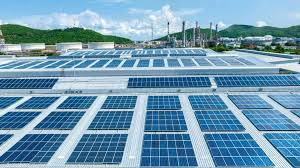
How to Evaluate Solar Panel Quality Based on Electrical Parameters
-
Compare Manufacturer Specifications: When shopping for solar panels, always look at the manufacturer’s datasheet, which lists the electrical parameters like efficiency, Voc, Isc, and others. Compare these specs between different brands and models to assess which panel offers the best combination of efficiency, power output, and voltage.
-
Consider the Performance Warranty: High-quality solar panels often come with strong performance warranties. A typical warranty guarantees that a panel will still produce a certain percentage of its rated power output (usually 80-90%) after 25 years. This guarantees the longevity and sustained performance of the panel over time.
-
Temperature Performance: If you live in a hot region, it’s important to consider the temperature coefficient of the panel. Panels with a low temperature coefficient will perform better in high temperatures, ensuring that their performance won’t drop significantly during peak summer months.
-
Panel Technology: The technology used in the construction of the panel (monocrystalline, polycrystalline, or thin-film) affects its electrical parameters. Monocrystalline panels generally have higher efficiency and performance, while polycrystalline panels are more affordable. Thin-film panels, although cheaper, tend to have lower efficiency and larger surface area requirements.
-

Conclusion: Selecting the Best Solar Panels
In summary, selecting high-quality solar panels involves understanding how key electrical parameters such as efficiency, power output, voltage, current, and temperature coefficient impact panel performance. High-quality solar panels provide better energy efficiency, higher output, and longer-lasting performance, ultimately saving you money in the long run. By evaluating these parameters, you can ensure that your investment in solar energy is a smart one, with panels that meet your energy needs and stand the test of time. Whether you’re considering a residential or commercial solar installation, taking the time to assess electrical parameters will lead to a more effective and sustainable energy solution.







Comments 0
Sign in to join the conversation.
No comments yet. Be the first to say something.