


How Gen Z Is Shaping Politics in 2025
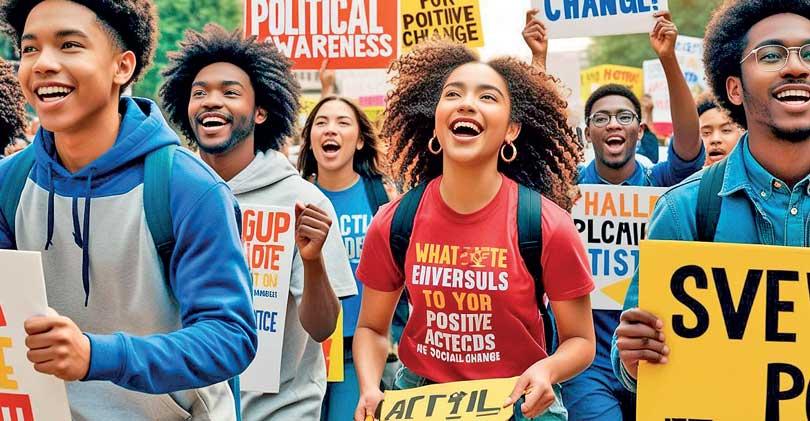
In 2025, the political influence of Generation Z is not just a trend—it's a transformation. Born between the late 1990s and early 2010s, Gen Z has now matured into a socially conscious, digitally fluent, and politically active demographic. As the oldest members of Gen Z enter their late twenties, they are not only participating in politics—they are shaping it.

The Digital Generation Goes Political
Gen Z grew up with smartphones in hand, and social media has become their town square. Platforms like TikTok, Instagram, and X (formerly Twitter) are no longer just for entertainment—they are tools for activism, organizing, and education. Viral videos, political memes, and live-streamed protests have turned everyday users into influencers and mobilizers.

Hashtags like #ClimateStrike, #BlackLivesMatter, and #VoteThemOut have demonstrated Gen Z's power to shape political discourse. Rather than relying on traditional media, Gen Z sources news from peers and independent creators, challenging the gatekeeping role of mainstream outlets.
Values-Driven Engagement
At the heart of Gen Z's political identity lies a deep commitment to values—particularly around equity, inclusion, and sustainability. A Pew Research Center study found that Gen Z is the most progressive and racially diverse generation in history, and these characteristics are reflected in their political priorities.
Key issues for Gen Z include:
-
Climate Change: They demand urgent and systemic action, supporting green policies and holding corporations and governments accountable.
-
Social Justice: From racial equity to LGBTQ+ rights, Gen Z supports policies that uplift marginalized communities.
-
Economic Fairness: With rising student debt, job insecurity, and housing challenges, Gen Z is pushing for economic reforms such as student loan relief, universal healthcare, and higher minimum wages.
-
Gun Reform: School shootings and gun violence have shaped their youth, fueling calls for comprehensive gun control.
Gen Z's activism often blurs the line between politics and lifestyle. From choosing sustainable brands to boycotting unethical companies, their consumer choices are politically informed.

Grassroots Over Establishment
Unlike previous generations who may have looked to institutions for leadership, Gen Z places its trust in grassroots movements. They are more likely to follow activists than elected officials and prioritize authenticity over political polish.
This has led to the rise of young political leaders who reflect Gen Z’s values and lived experiences. Politicians in their twenties and early thirties—many of them from underrepresented communities—are winning local and state elections, running on progressive platforms, and engaging directly with young voters online.
Organizations like Sunrise Movement, Gen-Z for Change, and March for Our Lives have empowered thousands of young people to organize, protest, and influence policy on a national scale.

Changing the Way We Vote
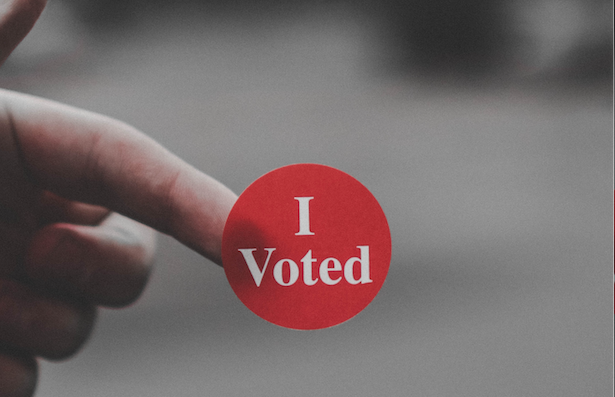
Gen Z is also changing the methods of civic participation. While traditional voting remains crucial, they are pushing for more accessible, modernized systems—including online voter registration, mail-in ballots, and election day as a national holiday.
Despite concerns about voter apathy, Gen Z has shown up in record numbers. In the 2022 U.S. midterms, they voted at historically high rates. In 2024, their turnout was pivotal in several swing states. They are also advocating for expanded voting rights, particularly for formerly incarcerated individuals and non-citizen residents.
Challenging Political Norms
Gen Z's political approach is intersectional and issue-based, often rejecting the binary of traditional party politics. While many lean Democratic, there’s a growing segment that identifies as independent or third-party voters. They prioritize action over allegiance.
This has created pressure on major parties to evolve. Politicians who ignore Gen Z's priorities risk alienating an increasingly influential voting bloc. Those who adapt—by embracing progressive policies and digital-first engagement—stand to gain their support.

A Global Impact
Gen Z’s political influence extends beyond national borders. They are deeply aware of global issues and advocate for international cooperation on climate change, human rights, and technology regulation. Cross-border digital communities allow them to learn from activists in other countries and coordinate transnational campaigns.
Movements in Chile, Nigeria, Iran, and India have found solidarity and support from Gen Z activists worldwide, amplifying local struggles on a global scale.

Looking Ahead: The Next Political Generation
As more Gen Zers enter the workforce, run for office, and take leadership roles in their communities, their influence will only grow. With an estimated 2 billion Gen Z individuals globally, their collective power is enormous.
The challenge ahead will be maintaining momentum, navigating political fatigue, and ensuring that digital engagement translates into real-world change. But if the past five years are any indication, Gen Z has both the passion and the tools to reshape politics—not just for themselves, but for generations to come.






Comments 0
Sign in to join the conversation.
No comments yet. Be the first to say something.