


In the digital age, small businesses have unprecedented opportunities to reach and engage with customers online. Digital marketing offers cost-effective methods to increase visibility, build brand awareness, and drive sales. This article explores key digital marketing strategies that small businesses can implement in 2025 to thrive in a competitive landscape.
Understanding Your Target Audience
Before launching any marketing campaign, it's crucial to understand who your customers are. Identify their demographics, preferences, and online behaviors. This information enables you to tailor your marketing messages and choose the most effective channels to reach your audience.

Search Engine Optimization (SEO)
SEO is the practice of optimizing your website to rank higher in search engine results, making it easier for potential customers to find you. Key aspects of SEO include:
-
Keyword Research: Identify and incorporate relevant keywords that your target audience is searching for.
-
On-Page Optimization: Ensure that your website's content, meta descriptions, and titles are optimized for search engines.
-
Mobile-Friendliness: With the increasing use of mobile devices, ensure your website is responsive and loads quickly on all devices.
-
Local SEO: Optimize your website for local searches by including your business's location and registering with online directories.
By focusing on SEO, small businesses can increase their online visibility and attract more organic traffic.
Content Marketing
Content marketing involves creating and sharing valuable content to attract and engage your target audience. This can include blog posts, videos, infographics, and more. Effective content marketing strategies:Salesforce
-
Educational Content: Provide information that helps your audience solve problems or make informed decisions.
-
Consistent Posting: Maintain a regular publishing schedule to keep your audience engaged and improve SEO.
-
Call-to-Action (CTA): Encourage readers to take specific actions, such as signing up for a newsletter or making a purchase.
By delivering valuable content, small businesses can establish authority in their industry and build trust with potential customers.
Social Media Marketing
Social media platforms offer powerful tools for small businesses to connect with their audience. Strategies for effective social media marketing:
-
Platform Selection: Choose platforms where your target audience is most active, such as Facebook, Instagram, LinkedIn, or TikTok.
-
Engaging Content: Share content that resonates with your audience, including behind-the-scenes looks, customer testimonials, and interactive posts.
-
Community Engagement: Respond to comments and messages promptly to foster a sense of community and trust.
-
Analytics Monitoring: Track engagement metrics to understand what content performs best and adjust your strategy accordingly.
Social media allows small businesses to build brand awareness and engage directly with customers in real-time.Investopedia
Email Marketing
Email marketing remains a highly effective channel for nurturing leads and maintaining customer relationships. Key components of successful email marketing:
-
Subscriber List Building: Collect email addresses through website sign-ups, in-store promotions, or events.
-
Personalized Content: Segment your email list to send targeted messages based on customer interests and behaviors.
-
Automated Campaigns: Use automation tools to send timely emails, such as welcome messages, birthday offers, or cart abandonment reminders.
-
Performance Tracking: Monitor open rates, click-through rates, and conversions to refine your email strategy.
By delivering relevant and timely content, email marketing can drive repeat business and increase customer loyalty.

Pay-Per-Click (PPC) Advertising
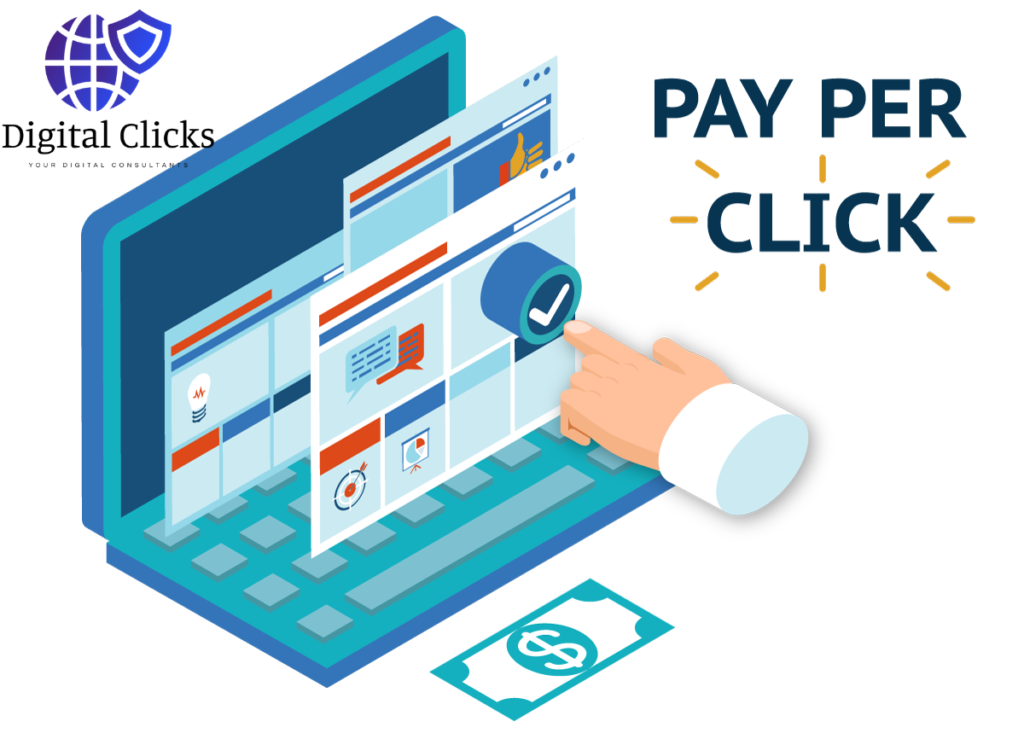
PPC advertising allows small businesses to display ads on search engines and social media platforms, paying only when users click on the ad. Benefits of PPC:Salesforce+4Architectural Digest+4AP News+4
-
Targeted Reach: Ads can be tailored to specific demographics, locations, and interests.
-
Budget Control: Set daily or monthly budgets to manage advertising costs effectively.
-
Immediate Results: Unlike SEO, PPC can generate traffic quickly, making it ideal for promotions or new product launches.
-
Measurable ROI: Track performance metrics to assess the effectiveness of your campaigns and adjust as needed.
PPC advertising can complement other marketing efforts by driving targeted traffic to your website.Rock Content
Leveraging Local Marketing
For small businesses serving specific geographic areas, local marketing is essential. Strategies include:
-
Google Business Profile: Create and optimize your profile to appear in local search results and Google Maps.
-
Local Directories: List your business in online directories like Yelp, Yellow Pages, and local chamber of commerce websites.
-
Community Engagement: Participate in local events, sponsor community activities, or collaborate with other local businesses.
Focusing on local marketing helps small businesses attract nearby customers and build a strong community presence.

Mobile Optimization
With the increasing use of smartphones, ensuring your website is mobile-friendly is crucial.






Comments 0
Sign in to join the conversation.
No comments yet. Be the first to say something.