

The relationship between India and Pakistan.
two neighboring nations in South Asia, has been marked by deep-rooted hostility, intermittent dialogue, and recurring tensions since their simultaneous birth in 1947. The partition of British India not only created two sovereign nations but also sowed the seeds of a rivalry that continues to shape regional geopolitics to this day.
The Genesis: Partition and Its Aftermath
The origin of the India-Pakistan conflict lies in the traumatic partition of British India. Amidst mass migration, communal violence, and political upheaval, Pakistan was carved out as a separate homeland for Muslims. The division led to the deaths of an estimated one to two million people and the displacement of over 14 million. From the outset, relations were strained, particularly over the princely state of Jammu and Kashmir.
Kashmir: The Flashpoint
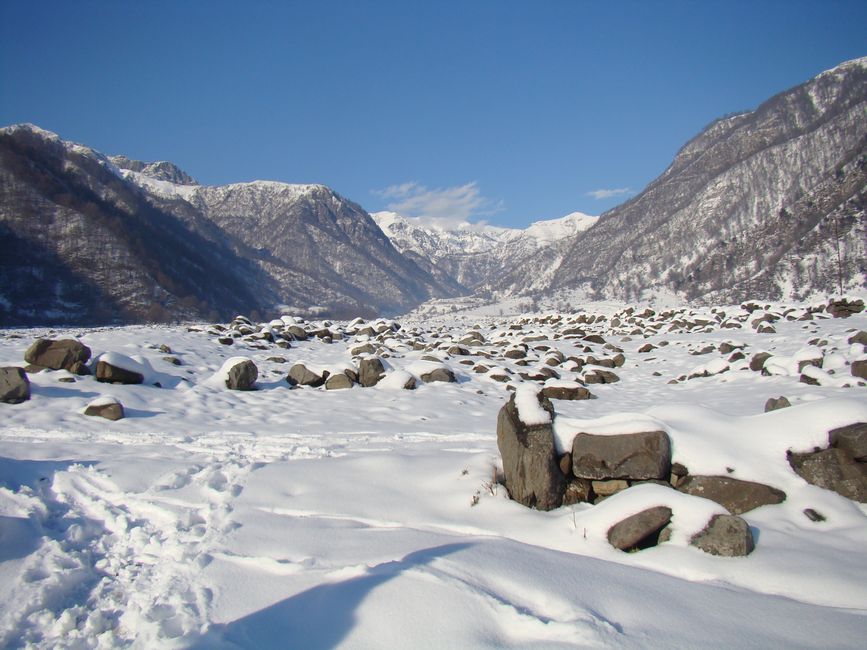
Kashmir has been the epicenter of India-Pakistan hostilities. In 1947, the Maharaja of Kashmir chose to accede to India, triggering the First Indo-Pak war. The conflict ended in 1949 with a UN-mediated ceasefire and the establishment of the Line of Control (LoC), but no final resolution. Subsequent wars in 1965 and 1999 (the Kargil War) were also fought over this disputed region. While Pakistan maintains that Kashmir is a Muslim-majority area that should be part of its territory, India insists it is an integral part of the nation.
War and Diplomacy
Over the decades, India and Pakistan have fought three major wars (1947, 1965, 1971) and numerous skirmishes. The 1971 war was particularly significant, resulting in the creation of Bangladesh, formerly East Pakistan. This defeat was a blow to Pakistan and further soured bilateral relations.
Despite the conflict, diplomatic efforts have periodically emerged. The Simla Agreement (1972), the Lahore Declaration (1999), and the Agra Summit (2001) were attempts to normalize ties. However, these efforts often collapsed under the weight of terrorist attacks, political changes, and military provocations.
Terrorism and Proxy Warfare
Terrorism has been a major thorn in India-Pakistan relations. India accuses Pakistan-based groups like Lashkar-e-Taiba and Jaish-e-Mohammed of orchestrating attacks on its soil, most notably the 2001 Indian Parliament attack and the 2008 Mumbai attacks. Pakistan denies direct involvement, although it acknowledges the presence of militant groups. These incidents have led to global scrutiny and have made dialogue increasingly difficult.
Nuclearization and Strategic Stalemate
Both India and Pakistan are nuclear-armed states, adding a dangerous dimension to their conflict. Since Pakistan’s nuclear tests in 1998 followed by India’s, the threat of full-scale war has been mitigated by the doctrine of deterrence. However, this nuclear backdrop also means that even small skirmishes carry the risk of escalation.
Cross-Border Tensions and Ceasefire Violations
The LoC remains a volatile border. Ceasefire violations, cross-border shelling, and militant infiltrations are common. In 2019, following a suicide bombing in Pulwama that killed 40 Indian soldiers, India carried out airstrikes in Balakot, Pakistan. Pakistan retaliated by downing an Indian aircraft, bringing the two countries to the brink of war yet again.
Current Scenario and Prospects for Peace
Recent years have seen a mix of hostility and cautious outreach. While diplomatic ties remain minimal and trade relations are largely suspended, back-channel communications and third-party interventions have occasionally de-escalated tensions. The 2021 reaffirmation of the LoC ceasefire agreement is a rare positive sign in recent years.
Despite deep mistrust, people-to-people exchanges, cultural similarities, and shared history continue to offer a glimmer of hope. However, genuine peace remains elusive without resolution of core issues like Kashmir, terrorism, and water sharing.
Conclusion
India and Pakistan's history is a tragic testament to what unresolved political, religious, and territorial disputes can lead to. While both countries have grown and evolved in different ways, their inability to move beyond their bitter past continues to undermine regional stability. Lasting peace will require bold political will, consistent dialogue, and the courage to confront difficult truths on both sides.





Comments 0
Sign in to join the conversation.
No comments yet. Be the first to say something.