


Understanding Global Conflicts: A Beginner’s Guide
In a world constantly shaped by political tension, economic struggles, and cultural shifts, global conflicts continue to dominate headlines. From civil wars to territorial disputes, these conflicts are not only complex but also deeply rooted in history, identity, and power dynamics.
But how do they start? Why do they persist? And how can we understand them without getting overwhelmed?
This beginner’s guide to global conflicts aims to simplify the basics, offering a clear and approachable foundation for anyone seeking to make sense of international crises.
1. What Is a Global Conflict?
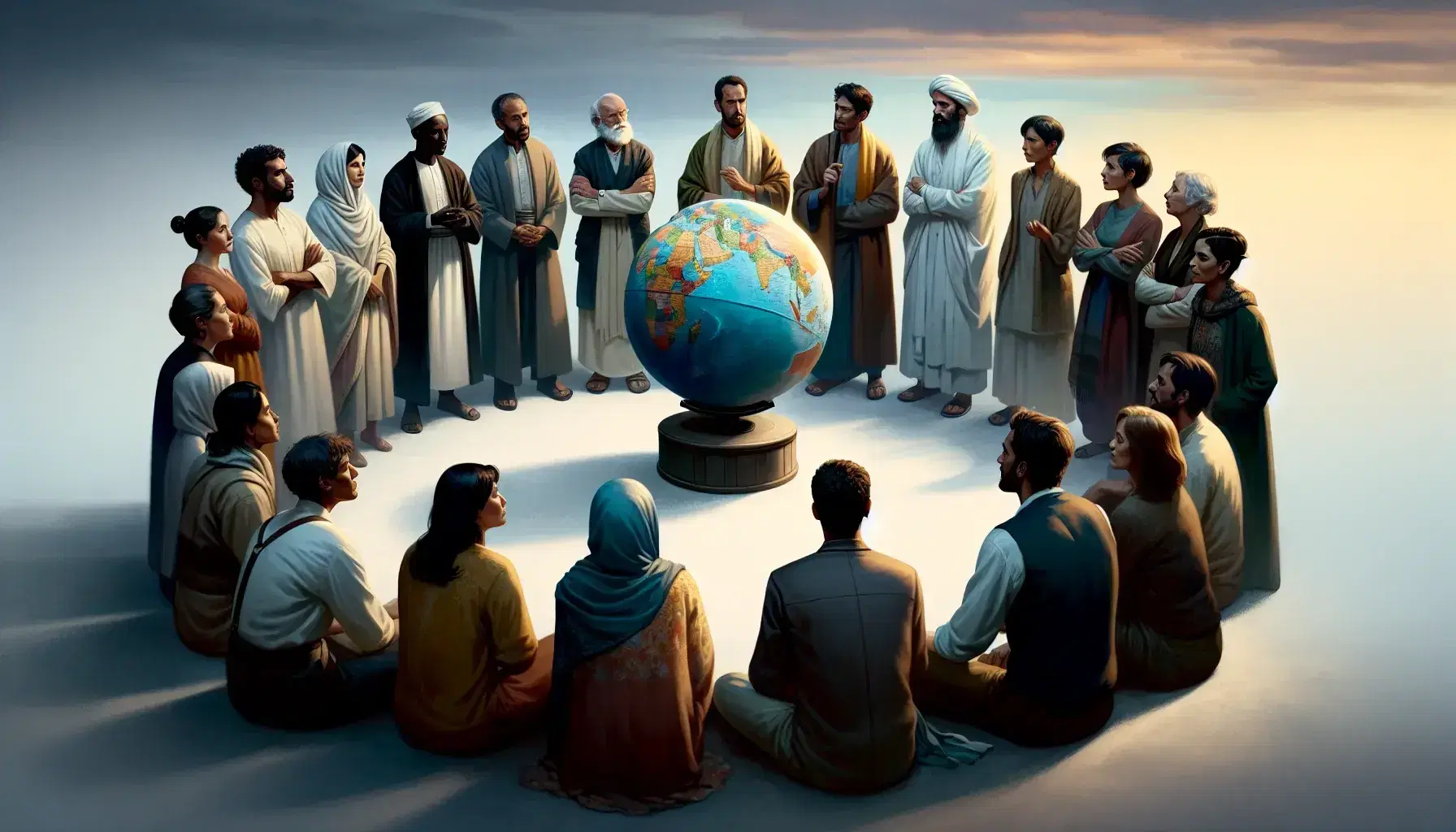
Global conflicts refer to serious disputes between nations, groups, or ideologies that can lead to war, violence, or long-term political tension. They often involve multiple countries and have widespread consequences—economically, socially, and geopolitically.
These conflicts can be:
-
Military (armed conflict) – such as wars or invasions
-
Political – involving government control or power struggles
-
Economic – often due to competition for resources
-
Cultural or religious – stemming from identity-based divisions
-
2. Key Causes of Global Conflicts
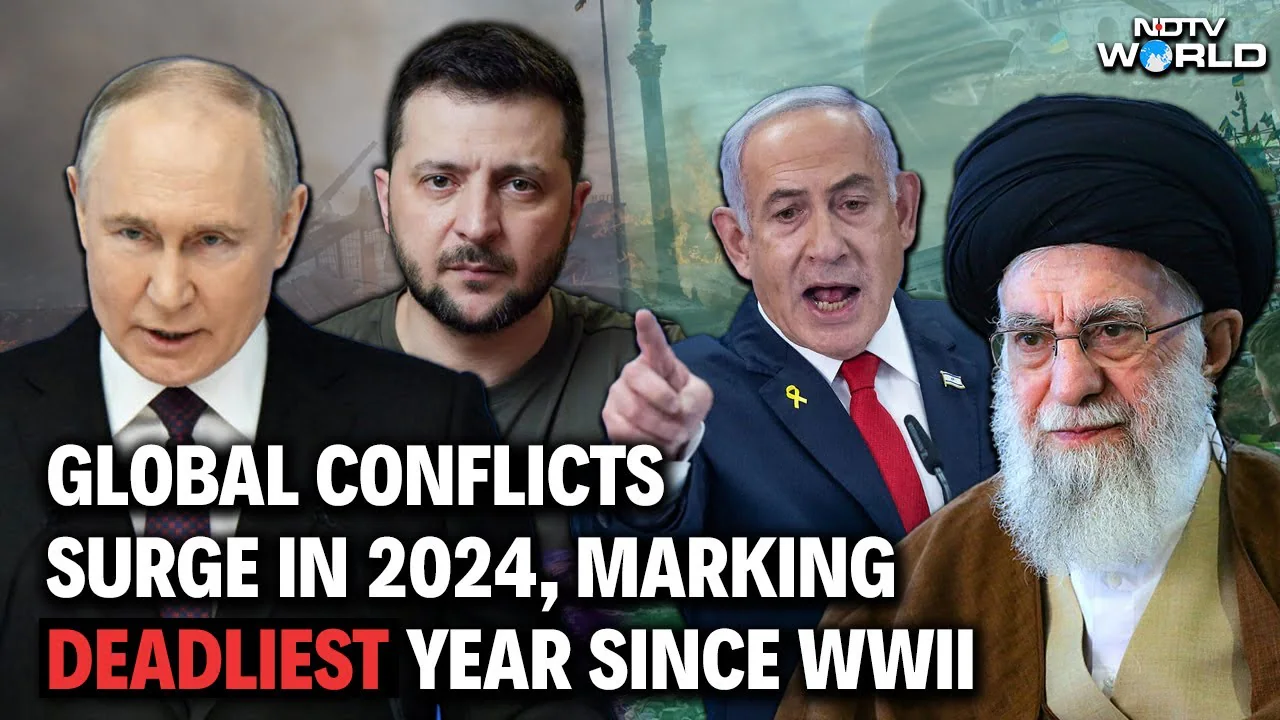
Understanding the “why” behind a conflict is the first step in making sense of global affairs. Most conflicts are caused by one or more of the following:
a. Historical Tensions
Centuries-old rivalries, unresolved border disputes, or colonial legacies often fuel modern conflicts. Example: India and Pakistan’s conflict over Kashmir.
b. Political Power Struggles
Competing ideologies (e.g., democracy vs. authoritarianism) and leadership ambitions can destabilize entire regions. Example: The Syrian Civil War.
c. Economic Inequality and Resources
Control over oil, water, or land can lead to conflict—especially when resources are scarce or unevenly distributed. Example: Sudan’s conflict over oil-rich territories.
d. Ethnic and Religious Divisions
When identity becomes politicized, it can lead to violence. Ethnic and religious minorities are often caught in the crossfire. Example: The Rohingya crisis in Myanmar.
3. Types of Global Conflicts
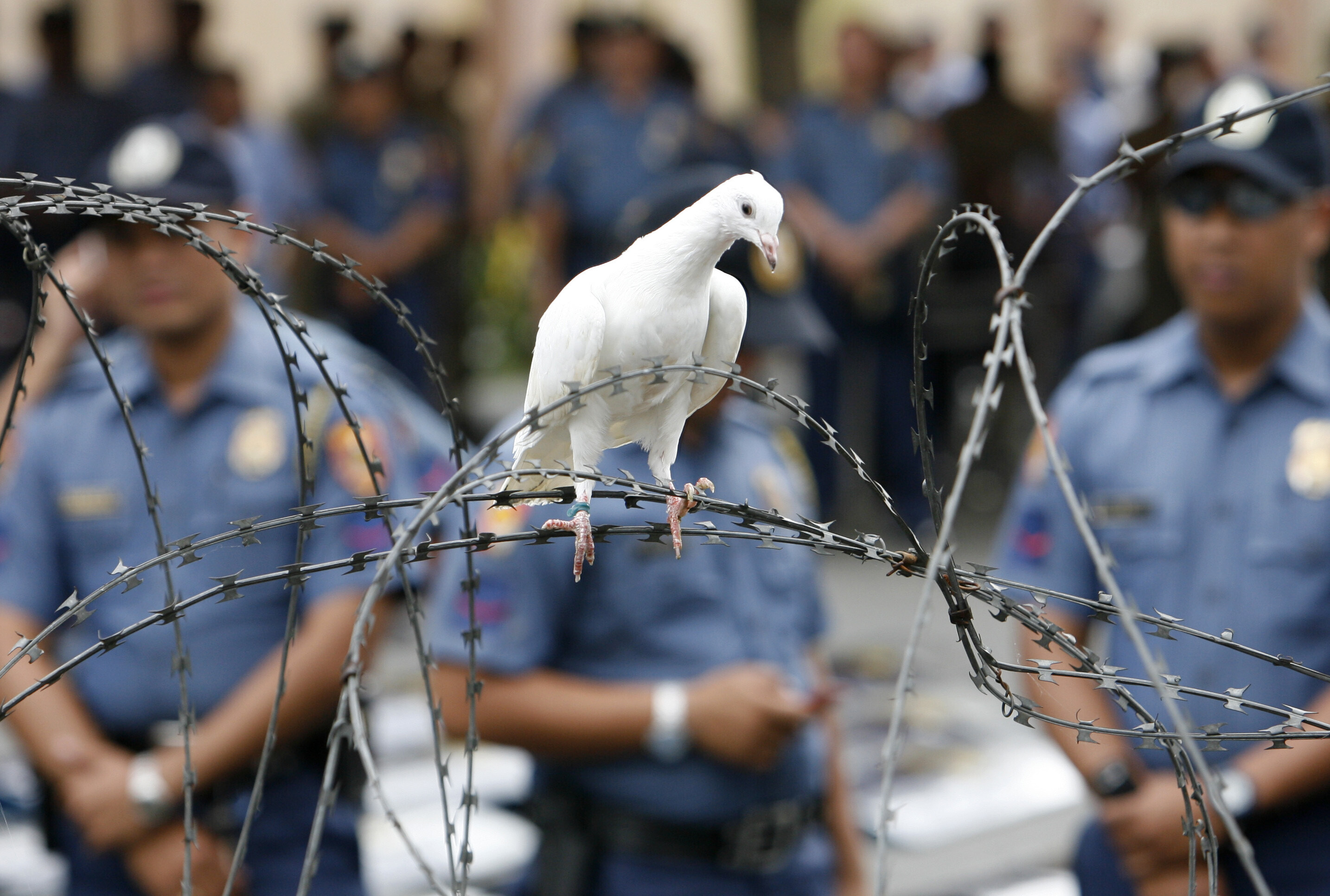
Global conflicts come in various forms. Here are some of the most common:
a. Interstate Conflicts
Wars between two or more countries (e.g., Russia vs. Ukraine).
b. Civil Wars
Internal conflict within a country, often involving rebel groups and government forces (e.g., the conflict in Yemen).
c. Proxy Wars
Conflicts where powerful nations support opposing sides without directly fighting (e.g., Cold War-era battles in Vietnam and Afghanistan).
d. Terrorism and Asymmetric Warfare
Non-state actors (like terrorist organizations) challenge traditional armies using unconventional tactics.
4. Major Global Conflicts Today
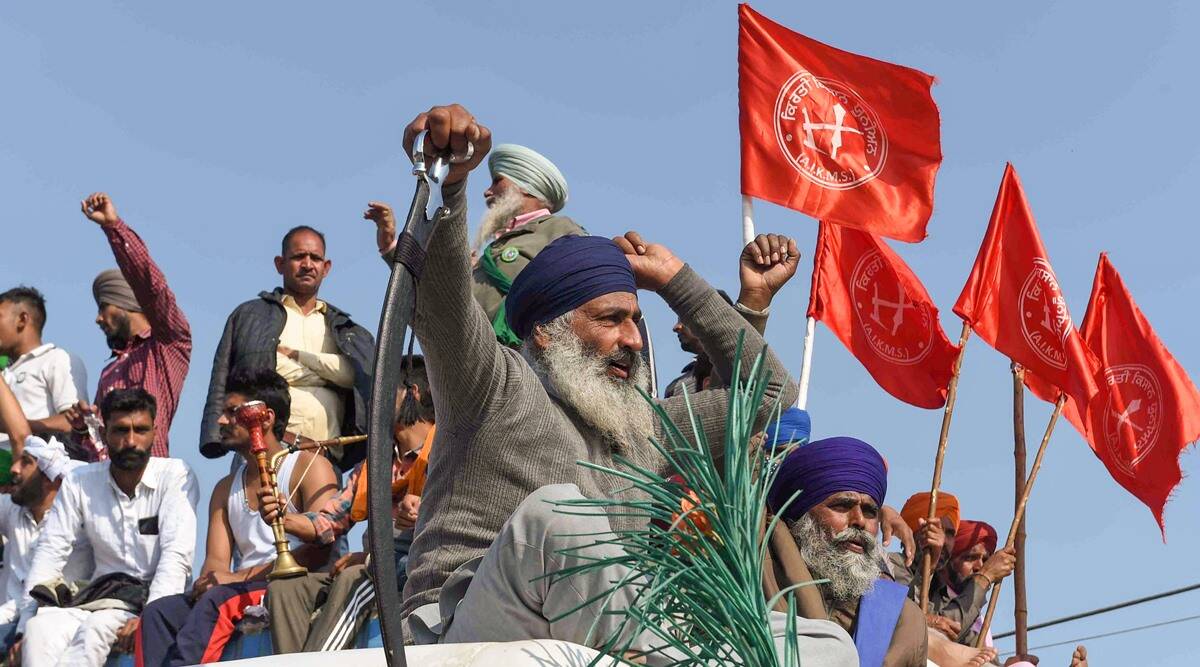
While the specifics change, some conflicts have defined the 2020s and continue into 2025. These include:
-
Russia-Ukraine War – rooted in geopolitics, NATO expansion, and territorial claims.
-
Israel-Palestine Conflict – ongoing territorial and identity-based struggle.
-
Tensions in the South China Sea – involving China, Taiwan, and neighboring nations.
-
Ethnic conflicts in Africa – such as those in Sudan, Ethiopia, and the Sahel region.
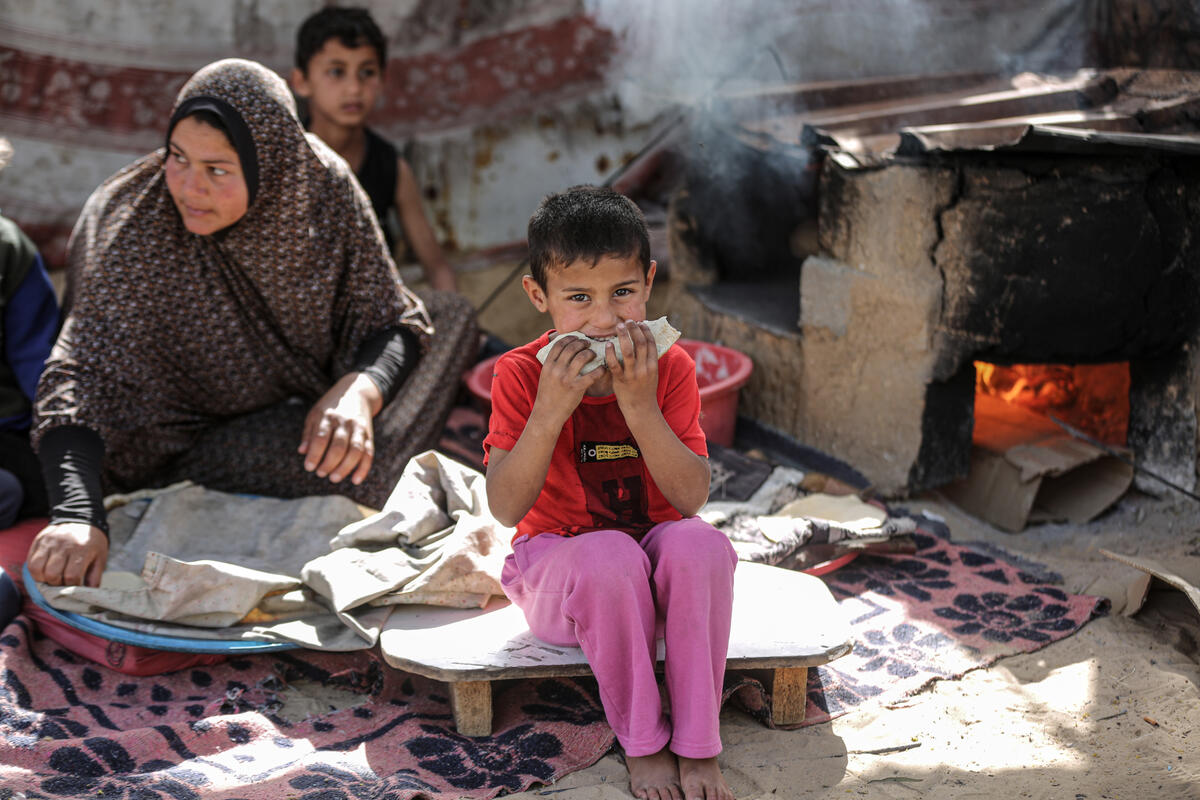
Each of these conflicts is unique but shares common elements of power, history, and resource competition.
5. The Role of International Organizations
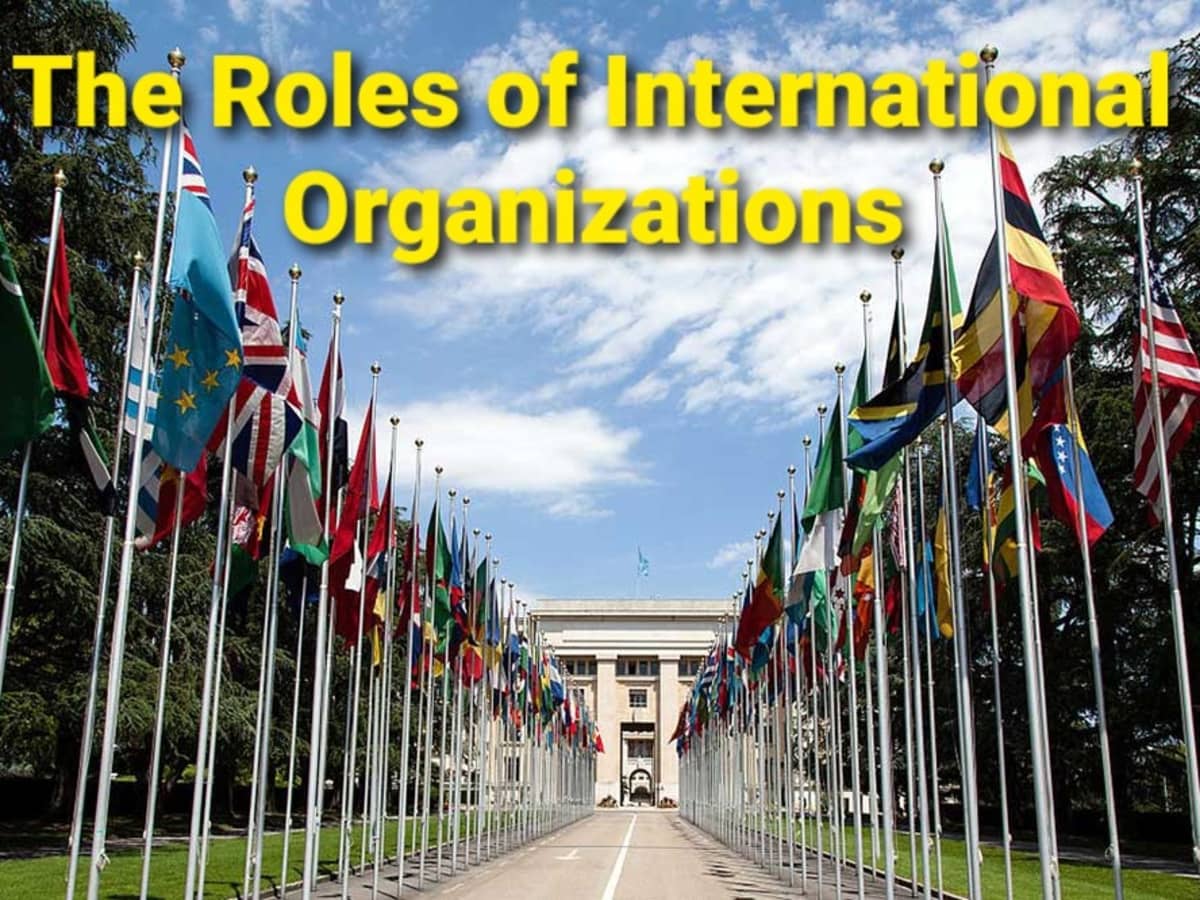
Organizations like the United Nations (UN), NATO, and the International Criminal Court (ICC) play major roles in conflict resolution, peacekeeping, and humanitarian aid.
Their functions include:
-
Negotiating ceasefires and peace treaties
-
Providing food, shelter, and medical aid to affected populations
-
Enforcing international laws and prosecuting war crimes
However, these organizations face limitations, especially when powerful nations have conflicting interests.
6. The Impact of Media and Social Networks
In today’s digital world, social media can both inform and mislead. Real-time updates make it easier for people to follow conflicts, but disinformation and propaganda can also shape public opinion in dangerous ways.
As a beginner:
-
Rely on trusted international news outlets (e.g., BBC, Reuters, Al Jazeera).
-
Avoid unverified or sensationalized content.
-
Learn the difference between reporting and opinion.
-

7. How Global Conflicts Affect Everyone
Even if a war is happening far away, its effects can ripple across the globe. Here's how:
-
Economic impact: Wars can disrupt trade, spike fuel prices, and cause inflation.
-
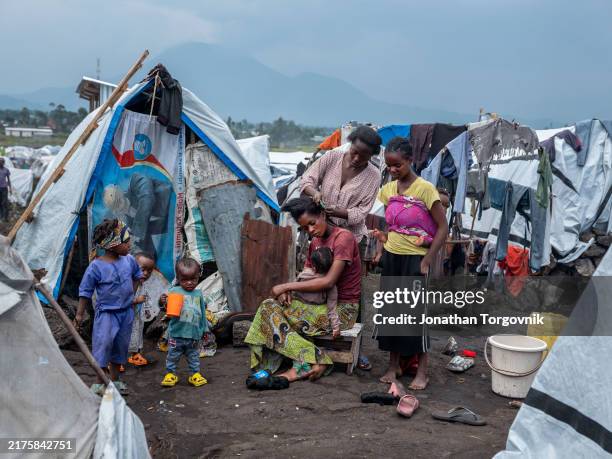
Migration: Conflicts often lead to refugee crises.
-
Security: Terrorism, cyberattacks, and instability can affect global safety.
-
Humanitarian needs: Millions are displaced, injured, or killed.
Understanding these broader effects helps you see why global conflicts matter—even if they’re not in your backyard.
8. How Can You Stay Informed and Get Involved?
It’s easy to feel powerless in the face of war and conflict, but awareness is a powerful first step.
Here’s how you can contribute:
-
Educate yourself with books, documentaries, and credible journalism.
-
Support humanitarian causes by donating to organizations like Doctors Without Borders or the Red Cross.
-
Use your voice—advocate for peace, write to your representatives, or participate in peaceful demonstrations.
-
Be mindful of what you share online to avoid spreading misinformation.
-

Conclusion: Understanding Builds Compassion
Global conflicts are difficult to understand—but they’re not impossible. With the right tools, anyone can develop a deeper awareness of the causes and consequences of war.
This beginner’s guide is just a starting point. Whether you’re a student, a curious global citizen, or someone looking to engage more meaningfully in current events, understanding global conflicts helps build empathy and informed dialogue.
In a world filled with division, knowledge truly is power.




Comments 0
Sign in to join the conversation.
No comments yet. Be the first to say something.