

The 60-Second Morning Trick That Resets Your Hormones Naturally

Introduction: Can One Minute Really Change Your Hormones?
It sounds almost too simple.
One minute.
No supplements.
No complicated diet.
No expensive devices.
Just 60 seconds.
But what if that single minute each morning could influence your cortisol levels, insulin sensitivity, melatonin production, and even your metabolism?
The truth is: your hormones are highly sensitive to timing — especially in the first moments after you wake up. And one powerful, science-backed habit has emerged as a natural hormone reset button.
The trick?
Step Outside and Get Natural Morning Sunlight Within 60 Seconds of Waking Up.
This tiny action can recalibrate your internal clock, regulate stress hormones, improve sleep later at night, and enhance energy throughout the day.
Let’s explore why this works — and how to do it correctly.
Why Hormones Need a Morning Reset
Your body runs on a 24-hour biological clock called the circadian rhythm.
This rhythm controls:
Cortisol release
Melatonin production
Insulin response
Body temperature
Hunger hormones (ghrelin and leptin)
Metabolism
If your circadian rhythm is disrupted, your hormones fall out of sync.
And in 2026, most people’s rhythms are completely misaligned.
Modern Hormone Disruptors
Late-night screen exposure
Irregular sleep schedules
Indoor lifestyles
Artificial lighting
Nighttime scrolling
This confusion causes your body to misinterpret time signals — leading to fatigue, weight gain, anxiety, and poor sleep.
But here’s the good news:
Morning light exposure can reset everything.
The Science Behind the 60-Second Morning Light Trick
How Morning Light Controls Cortisol
Cortisol is often labeled as the “stress hormone,” but that’s only half the story.
In a healthy body, cortisol:
Peaks in the morning
Gradually declines throughout the day
Reaches its lowest point at night
This is called the Cortisol Awakening Response (CAR).
When you get natural light within 30–60 minutes of waking, it:

Signals your brain that it’s daytime
Reinforces the cortisol peak
Prevents random stress spikes later
Without morning light, cortisol may:
Stay elevated too long
Spike randomly
Drop at the wrong time
That’s when you feel tired during the day but wired at night.
The Role of the Brain’s Master Clock
Inside your brain sits a tiny cluster of cells called the suprachiasmatic nucleus (SCN).
This “master clock” is directly influenced by light hitting your eyes.
When sunlight enters your retina:
The SCN activates
Melatonin production stops
Cortisol rises naturally
Body temperature increases
Metabolism prepares for fuel usage
And it all begins within seconds.
You don’t need 30 minutes. Even 60 seconds begins the signaling process.
What Happens When You Skip Morning Light?
If your first exposure is your phone screen instead of the sun, your hormones receive a weak signal.
Artificial indoor light:
Is 100–1000 times dimmer than sunlight
Lacks full light spectrum
Fails to strongly trigger circadian alignment
The result?
Midday crashes
Nighttime insomnia
Cravings for sugar and caffeine
Sluggish metabolism
Hormones Positively Affected by Morning Sunlight
1. Cortisol (Balanced, Not Elevated)
Proper morning exposure:
Strengthens healthy cortisol spike
Reduces afternoon anxiety
Prevents late-night wakefulness
2. Melatonin (Better Sleep at Night)
Morning sunlight starts a timer.
Approximately 12–14 hours later, melatonin begins rising naturally.
This means:
Faster sleep onset
Deeper sleep cycles
More REM sleep
Morning light equals better night sleep.
3. Insulin Sensitivity
Aligned circadian rhythms improve:
Glucose metabolism
Blood sugar control
Energy efficiency
People exposed to morning light tend to have better metabolic markers.
4. Serotonin (Mood Hormone)
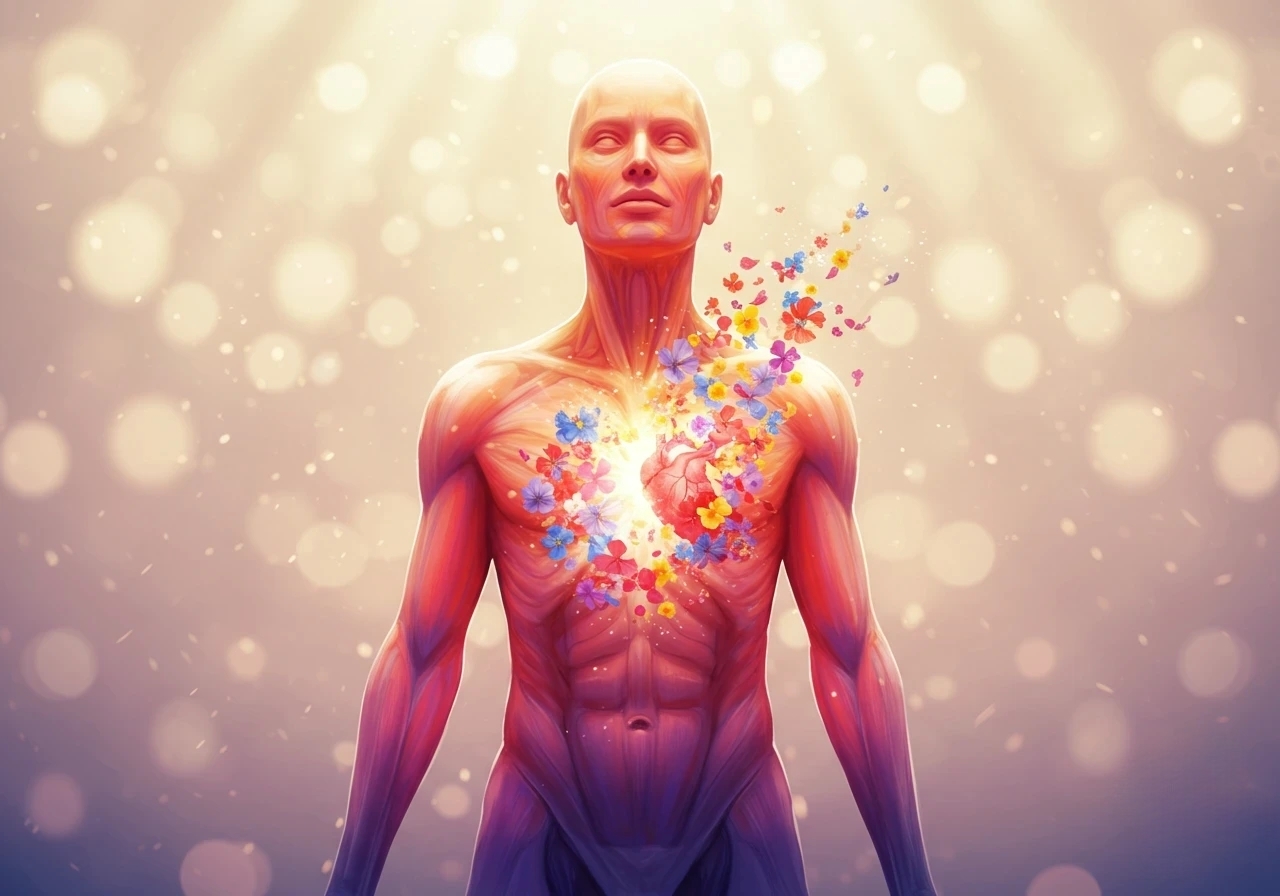
Sunlight triggers serotonin production.
Serotonin helps:
Improve mood
Reduce depression symptoms
Enhance focus
Support emotional regulation
Later, serotonin converts into melatonin at night.
The Exact 60-Second Protocol
This isn’t complicated — but details matter.
Step 1: Wake Up
Avoid checking your phone first.
Stand up and head toward natural light.
Step 2: Go Outside (Best Option)
Balcony
Garden
Rooftop
Street
Open window with direct sunlight
Cloudy days still work — natural light is powerful even when diffused.
Step 3: Look Toward the Horizon (Not Directly at the Sun)
Never stare directly at the sun.
Instead:
Keep eyes open
Face the direction of light
Let natural brightness enter your field of vision
Even 60–120 seconds can trigger the cascade.
How Long Should You Actually Stay Outside?
While 60 seconds activates the signal, optimal exposure is:
2–5 minutes on sunny days
5–10 minutes on cloudy days
But consistency matters more than duration.
One minute daily beats 20 minutes once a week.
Why This Trick Works Better Than Supplements
In 2026, hormone supplements are everywhere.
But light exposure:
Is free
Has zero side effects
Works with your biology
Strengthens natural hormone cycles
You’re not forcing change.
You’re restoring rhythm.
Common Mistakes That Ruin the Effect
❌ Wearing Sunglasses
They block crucial light wavelengths.
❌ Staying Indoors Near a Window
Glass filters light intensity.
Outside is 10x stronger.
❌ Doing It Too Late
Light exposure after 10 AM still helps — but early exposure is strongest.
❌ Using Phone Light First
Scrolling immediately delays cortisol alignment.
Who Benefits the Most?
This trick is especially powerful for:
People with insomnia
Those with anxiety
Shift workers trying to reset schedule
Individuals with hormonal imbalances
Anyone struggling with morning fatigue
What Results Can You Expect?
Within 3–7 days:
Easier mornings
Less brain fog
Fewer energy crashes
Within 2–3 weeks:
Better sleep timing
Reduced anxiety
Improved focus
Stabilized appetite
Within 6 weeks:
Strong circadian rhythm
More consistent mood
Better metabolic regulation
Pair It With These Hormone-Boosting Habits
To maximize results, combine sunlight with:
1. Hydration First Thing
A glass of water helps regulate:
Blood pressure
Cortisol rhythm
Cellular function
2. Gentle Movement
Light stretching or walking:
Amplifies cortisol awakening response
Improves circulation
Activates metabolism
3. Delay Caffeine 60–90 Minutes
Caffeine too early:
Interferes with cortisol spike
Causes midday crash
Let your natural hormones wake you first.
What If You Live in a High-Rise Apartment?
You don’t need a garden.
Options include:
Standing on a balcony
Opening a window fully
Walking downstairs briefly
Stepping onto the rooftop
Even urban environments provide sufficient light.
The Psychological Effect of a Morning Light Ritual
Beyond hormones, this habit:
Creates intentionality
Reduces morning chaos
Improves mental clarity
Establishes routine stability
Consistency trains your brain to feel safe and predictable.
And safety lowers chronic stress hormones.
Is This Backed by Science?
Researchers at institutions like have studied circadian biology extensively.
Experts such as frequently discuss morning light exposure as one of the most powerful behavioral tools for hormone regulation.
Circadian rhythm research has been awarded the Nobel Prize, highlighting its importance in human health.
The evidence continues to grow.
Frequently Asked Questions
Does This Work in Winter?
Yes.
Even winter sunlight is significantly brighter than indoor light.
You may need slightly longer exposure (5–10 minutes).
What If I Wake Up Before Sunrise?
Use the earliest natural light available.
If it’s still dark, turn on bright indoor lights temporarily — then step outside once the sun rises.
Is This Safe for Sensitive Eyes?
Yes — as long as you do not stare directly at the sun.
Indirect exposure is enough.
The Bigger Picture: You Are a Light-Driven Organism
Your ancestors woke with the sun.
Modern life removed that cue.
This 60-second trick restores the most ancient biological signal your body understands.
It doesn’t hack your hormones.
It reminds them what time it is.
Final Thoughts: The Smallest Habit With the Biggest Hormone Impact
In a world obsessed with:
Hormone tests
Supplements
Biohacking gadgets
Expensive treatments
The most powerful reset is free.
Step outside.
Look toward the light.
Breathe.
One minute.
Do it tomorrow morning.
Then repeat for 14 days.
You may discover that your energy, sleep, mood, and metabolism were never broken — they were just mistimed.
And timing changes everything.

You must be logged in to post a comment.