


1. Introduction to WHMCS and Its Role in Web Hosting
WHMCS (Web Host Manager Complete Solution) is one of the most widely used billing and automation platforms for web hosting providers. It simplifies client management by automating billing, account provisioning, and support ticketing. Its extensive plugin support and integrations with various control panels, payment gateways, and domain registrars make it a comprehensive solution.
However, as the web hosting industry evolves, several alternatives have emerged, each with unique strengths and weaknesses. This article evaluates WHMCS against its main competitors to determine how it stands out in the market.
2. Key Competitors of WHMCS
While WHMCS dominates the market, other notable hosting automation platforms offer compelling alternatives:
- Blesta: Known for its security-focused and developer-friendly approach, Blesta is open-source and highly customizable.
- Client Exec: A simpler alternative with a lower price point, Client Exec is ideal for small to mid-sized hosting businesses.
- Host Bill: A premium solution with powerful automation features, Host Bill caters to enterprise-level hosting providers.
- BILL manager: Popular in Europe and Russia, BILL manager offers multi-currency support and various automation tools.
Each of these competitors brings different strengths to the table, making it essential to compare their features and capabilities with WHMCS.
3. Feature Comparison: WHMCS vs. Other Solutions
When comparing WHMCS to its competitors, the following core features must be evaluated:
| Feature | WHMCS | Blesta | Client Exec | Host Bill | BILL manager |
|---|---|---|---|---|---|
| Billing & Invoicing | ✅ Yes | ✅ Yes | ✅ Yes | ✅ Yes | ✅ Yes |
| Support Ticketing | ✅ Yes | ✅ Yes | ✅ Yes | ✅ Yes | ✅ Yes |
| Open-Source | ❌ No | ✅ Yes | ❌ No | ❌ No | ❌ No |
| Customization | ⭐⭐⭐ | ⭐⭐⭐⭐ | ⭐⭐ | ⭐⭐⭐⭐ | ⭐⭐⭐ |
| Control Panel Support | ✅ Wide | ✅ Moderate | ✅ Limited | ✅ Wide | ✅ Wide |
| Automation | ✅ Yes | ✅ Yes | ✅ Basic | ✅ Advanced | ✅ Yes |
| Pricing | 💲💲💲 | 💲💲 | 💲 | 💲💲💲💲 | 💲💲 |
While WHMCS remains a robust choice, Blesta excels in security, Host Bill offers enterprise-grade automation, and Client Exec provides affordability.
4. Pricing and Licensing Differences
One of the most debated aspects of WHMCS is its pricing model. WHMCS transitioned to a subscription-based pricing structure, which has received mixed reactions from users.
- WHMCS Pricing: Starts at $18.95/month for 250 clients and scales up based on the number of active clients.
- Blesta Pricing: One-time license option available, starting at $12.95/month or $250 for lifetime access.
- Client Exec Pricing: More affordable at $11.95/month or $499 one-time license.
- Host Bill Pricing: Expensive, with one-time licenses starting at $599 per module.
- BILL manager Pricing: Flexible, offering free and paid versions depending on business size.
For businesses looking for affordability, ClientExec and Blesta may be more cost-effective compared to WHMCS.
5. Ease of Use and User Experience
WHMCS is designed with a user-friendly interface, making it easy for hosting providers to manage clients. However, some users find it slightly complex to set up initially.
- WHMCS: Offers a well-documented UI, but can be overwhelming for beginners.
- Blesta: Has a cleaner, more intuitive interface, but requires technical knowledge for advanced customization.
- Client Exec: Simple and beginner-friendly, making it ideal for small hosting businesses.
- Host Bill: Feature-rich but has a steep learning curve.
- BILL manager: Moderate usability, with extensive documentation.
Overall, ClientExec and Blesta are the most beginner-friendly, while Host Bill is best for power users.

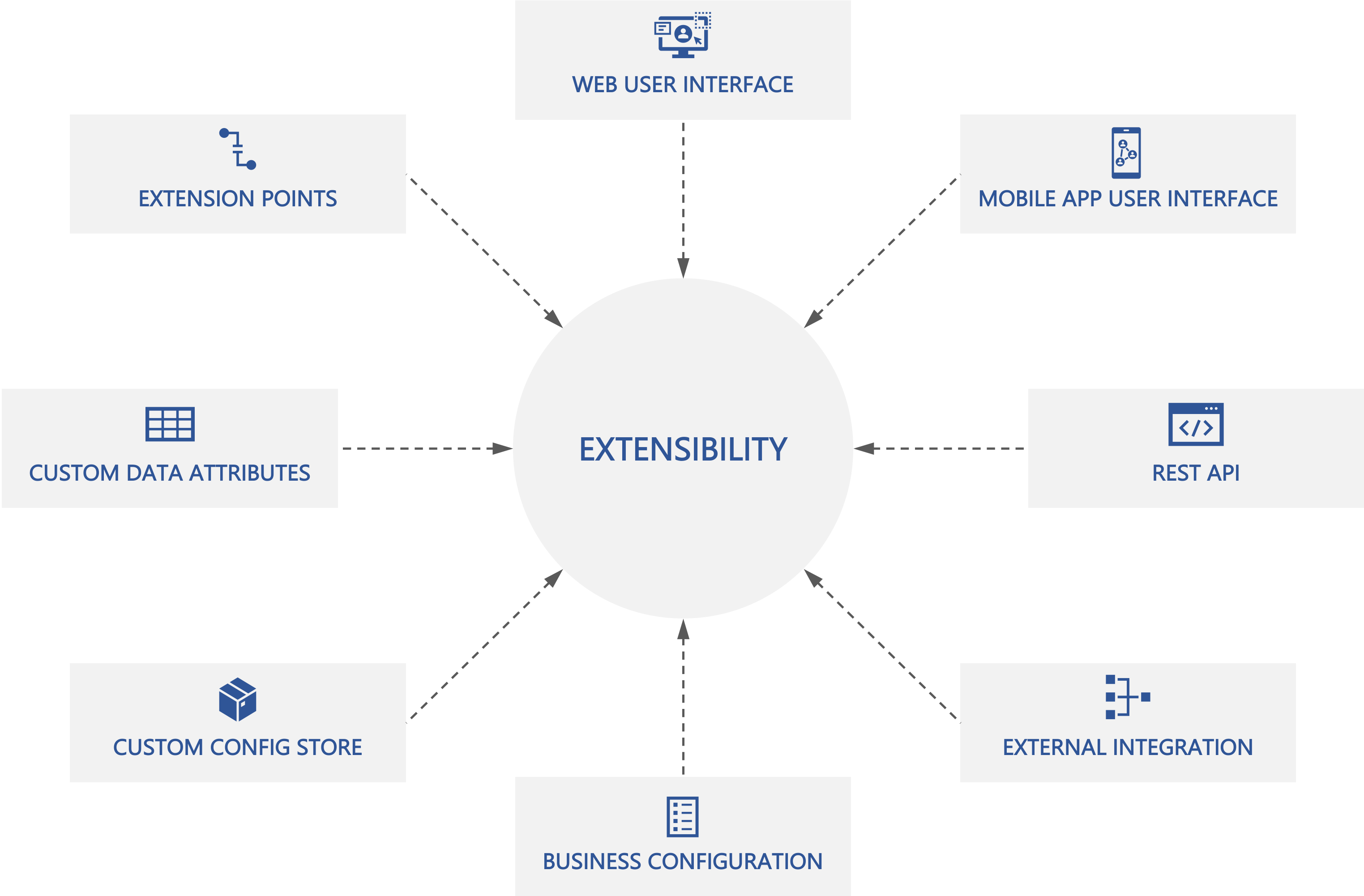
6. Integration and Extensibility
One of WHMCS's biggest strengths is its extensive integrations with:
- cPanel, Plesk, Direct Admin (for hosting management)
- PayPal, Stripe, Authorize.Net (for payment processing)
- Enom, Namecheap, Reseller Club (for domain reselling)
While competitors like Host Bill and Blesta offer similar integrations, WHMCS remains the leader in third-party add-ons and customization options.
7. Security and Compliance
Security is critical for hosting providers. WHMCS has built-in fraud protection tools and supports GDPR compliance. However, Blesta stands out with its open-source transparency, making it more secure for businesses requiring high-level security.
- WHMCS: Standard security features, but closed-source code limits transparency.
- Blesta: Fully open-source, allowing businesses to audit security measures.
- Host Bill: Offers two-factor authentication and advanced security modules.
If security is your top priority, Blesta may be a better option than WHMCS.

8. Final Verdict: Which Platform is Best for You?
Choosing between WHMCS and its competitors depends on your business needs:
- Choose WHMCS if you need a widely adopted, well-integrated solution with broad support.
- Choose Blesta if security and open-source customization are your priorities.
- Choose Client Exec if you're looking for an affordable, beginner-friendly alternative.
- Choose Host Bill if you need enterprise-level automation and are willing to pay a premium.
- Choose BILL manager if you're in Europe or Russia and need localized support.
Ultimately, WHMCS remains a strong leader, but alternatives like Blesta and Host Bill provide compelling reasons to consider switching.






Comments 0
Sign in to join the conversation.
No comments yet. Be the first to say something.