


1. Introduction to Domain and Hosting
If you want to launch a website, two essential components are required: a domain name and web hosting. The domain is your website's address (e.g., www.example.com), while hosting is the service that stores your website’s files and makes it accessible on the internet.
Many beginners confuse these terms, but understanding their roles will help you make informed decisions when setting up a website.

2. What is a Domain Name?
A domain name is the unique address users type in their browsers to visit your website. Just like a house has an address, a website has a domain name for easy access.
Key Components of a Domain Name:
- Top-Level Domain (TLD): The extension like
.com,.org,.net,.edu. - Second-Level Domain: The main part of the domain, like
googleingoogle.com. - Subdomains: A prefix to organize different sections (e.g.,
blog.example.com).
How to Register a Domain?
- Choose a reliable domain registrar (e.g., Namecheap, GoDaddy, Google Domains).
- Search for an available domain name.
- Register it and renew it annually to keep ownership.

3. What is Web Hosting?
Web hosting is a service that stores website files and delivers them to visitors when they access your domain. Without hosting, your website cannot be viewed online.
How Does Hosting Work?
- You upload website files to a hosting server.
- The hosting provider connects your domain to the server.
- When someone enters your domain, the server delivers the site’s content.
Essential Hosting Features:
- Storage space
- Bandwidth
- Security (SSL, firewalls)
- Uptime guarantee
- Customer support
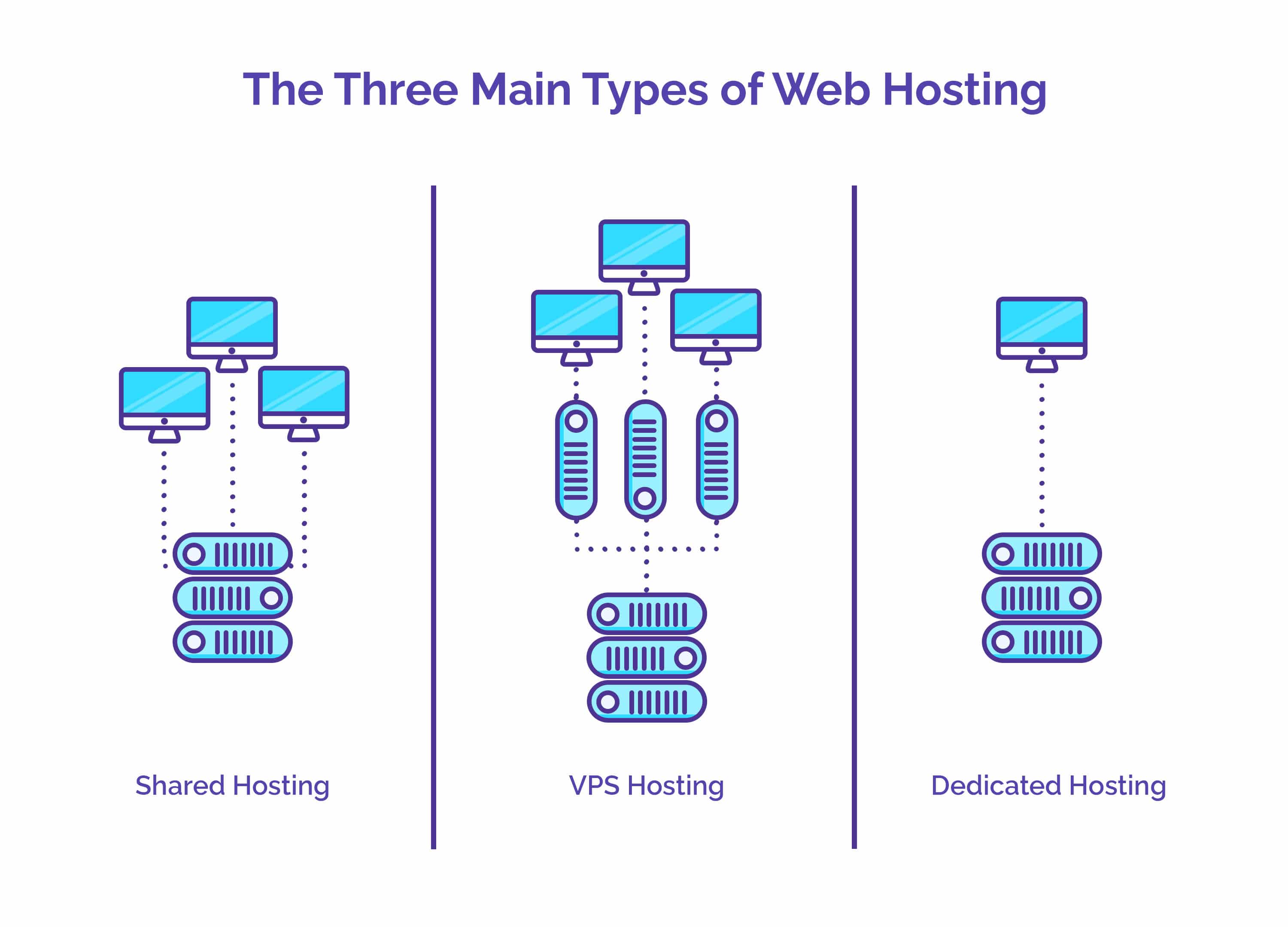
4. Types of Web Hosting Explained
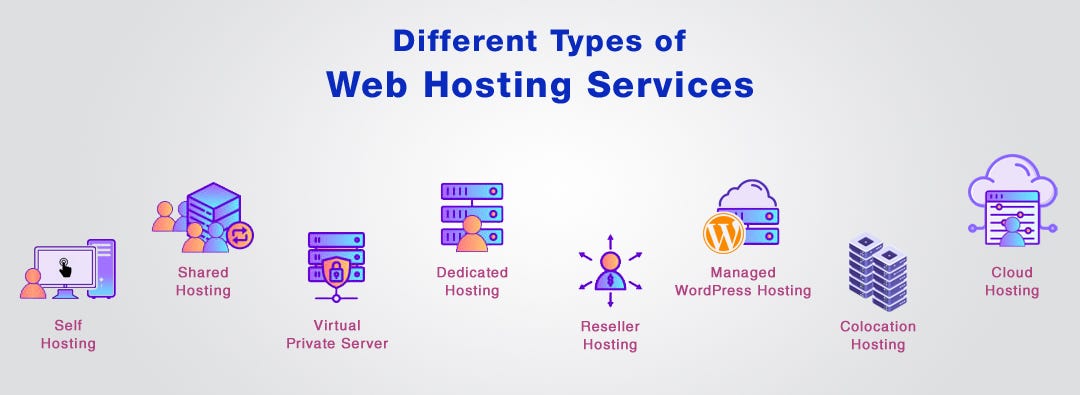
There are different hosting types based on website needs and traffic levels.
1. Shared Hosting
- Cheapest and best for small websites.
- Multiple websites share one server.
- Limited performance and resources.
2. VPS Hosting (Virtual Private Server)
- Offers dedicated resources on a shared server.
- More powerful than shared hosting.
- Suitable for growing websites.
3. Dedicated Hosting
- A full server dedicated to one website.
- High performance but expensive.
- Ideal for large businesses.
4. Cloud Hosting
- Uses multiple servers for better uptime.
- Scalable and reliable.
- Good for high-traffic websites.
5. Managed WordPress Hosting
- Optimized for WordPress sites.
- Includes automatic updates and security.
- Great for bloggers and businesses using WordPress.
5. Choosing the Right Domain and Hosting
When selecting a domain and hosting provider, consider the following:
How to Choose a Domain Name:
- Keep it short, simple, and easy to remember.
- Use a
.comextension if possible. - Avoid numbers and hyphens.
How to Choose a Hosting Provider:
- Check uptime guarantees and performance.
- Look for strong security features.
- Choose a plan that fits your website's needs.
Popular hosting providers include:
- Bluehost
- Site Ground
- Hostinger
- Cloud ways
Choosing the right domain and hosting is crucial for your website’s success. A good domain should be short, memorable, and use a popular extension like .com. For hosting, consider factors like uptime, security, speed, and scalability. Shared hosting suits small sites, while VPS, dedicated, and cloud hosting offer better performance. Providers like Bluehost, Site Ground, and Hostinger provide reliable options based on your needs and budget.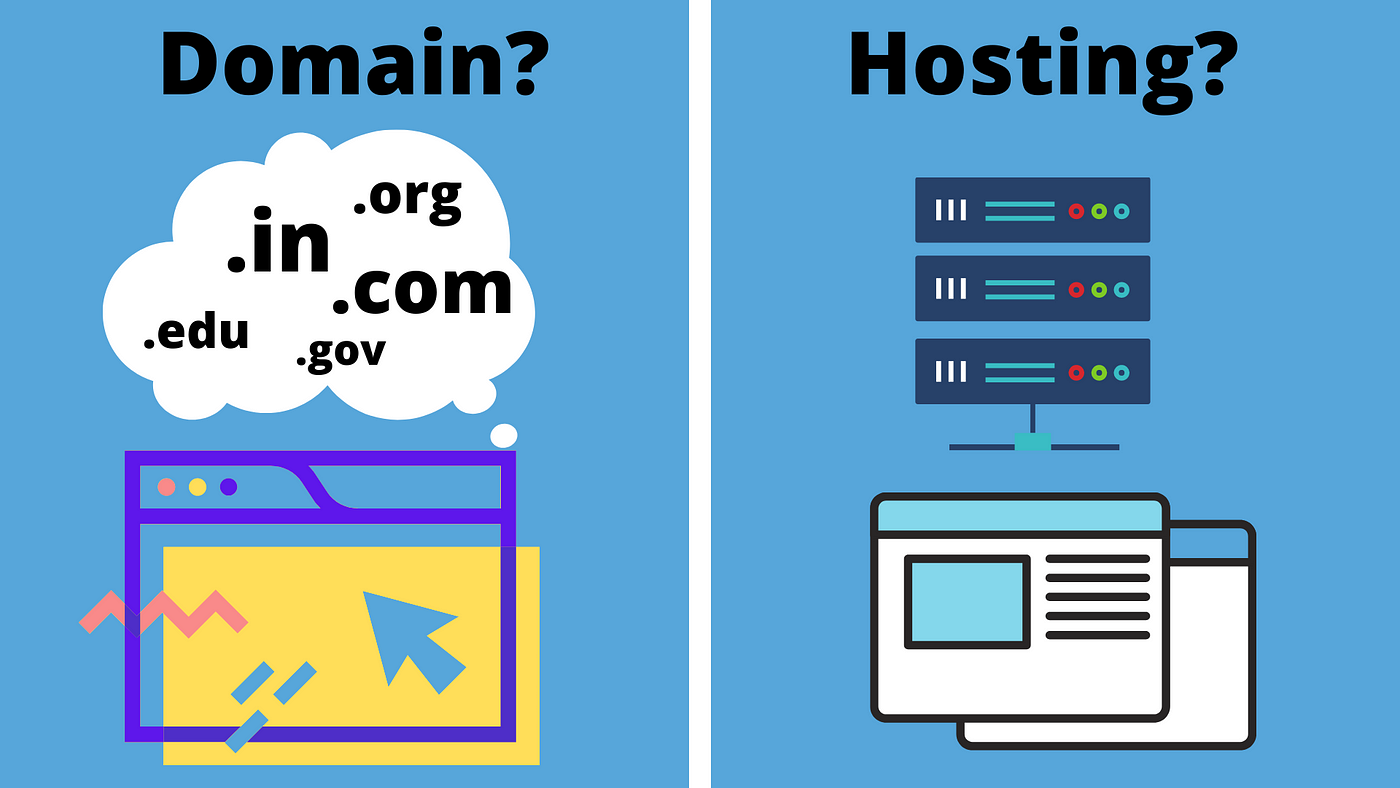






Comments 0
Sign in to join the conversation.
No comments yet. Be the first to say something.