


Table of Contents
- A Brief History of North Korea
- Political Structure and Governance
- Cultural Identity and Traditions
- Tourism in North Korea: What Visitors See
- Economy and Global Relations
1. A Brief History of North Korea
The history of North Korea is deeply intertwined with the Korean Peninsula's struggles for sovereignty and independence. After the Korean Peninsula was liberated from Japanese occupation in 1945, it was divided along the 38th parallel, with the northern half falling under Soviet influence. This division led to the establishment of the Democratic People’s Republic of Korea (North Korea) in 1948 under Kim Il-sung.
The Korean War (1950-1953) was a pivotal moment, as it cemented the separation between North and South Korea. The armistice agreement, signed in 1953, left the two nations technically still at war. Since then, North Korea has pursued a policy of self-reliance, or Juche, which continues to shape its political and social ideologies.
2. Political Structure and Governance
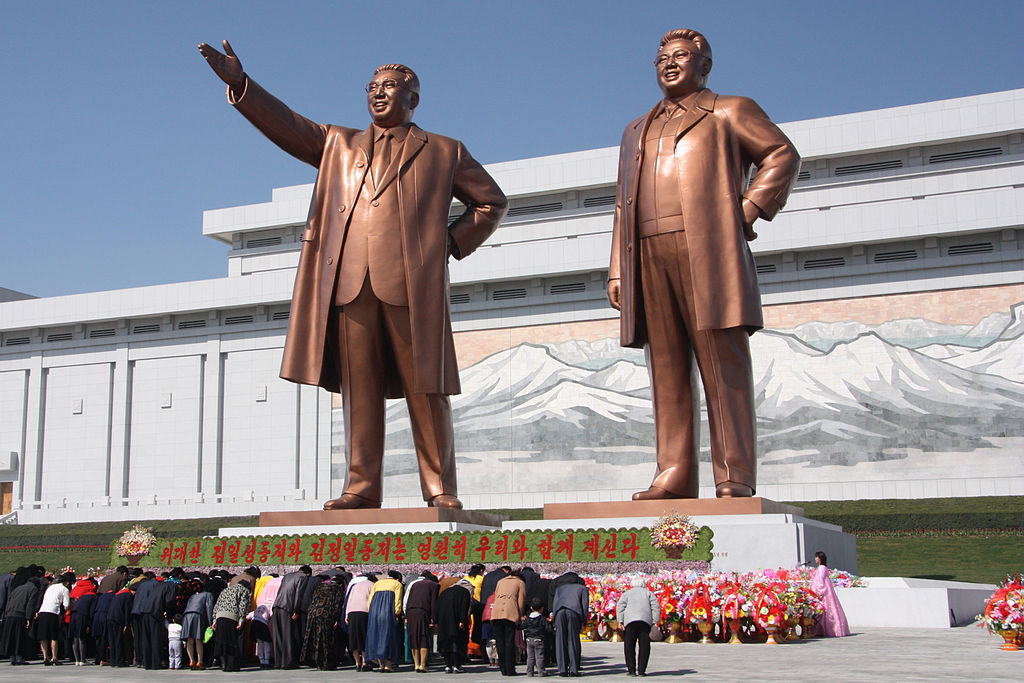
North Korea operates under a centralized government led by the ruling Kim dynasty, with Kim Jong-un currently serving as Supreme Leader. The country’s governance is built around the Juche ideology, emphasizing self-reliance and independence from foreign influence. The Workers' Party of Korea (WPK) is the only political party, maintaining strict control over every aspect of life.
The country’s tightly controlled media, extensive surveillance, and emphasis on loyalty to the regime have shaped a society that is highly insulated from the outside world. Despite criticism from international organizations, the North Korean government continues to promote its political system as a model of resilience against external pressures.
3. Cultural Identity and Traditions
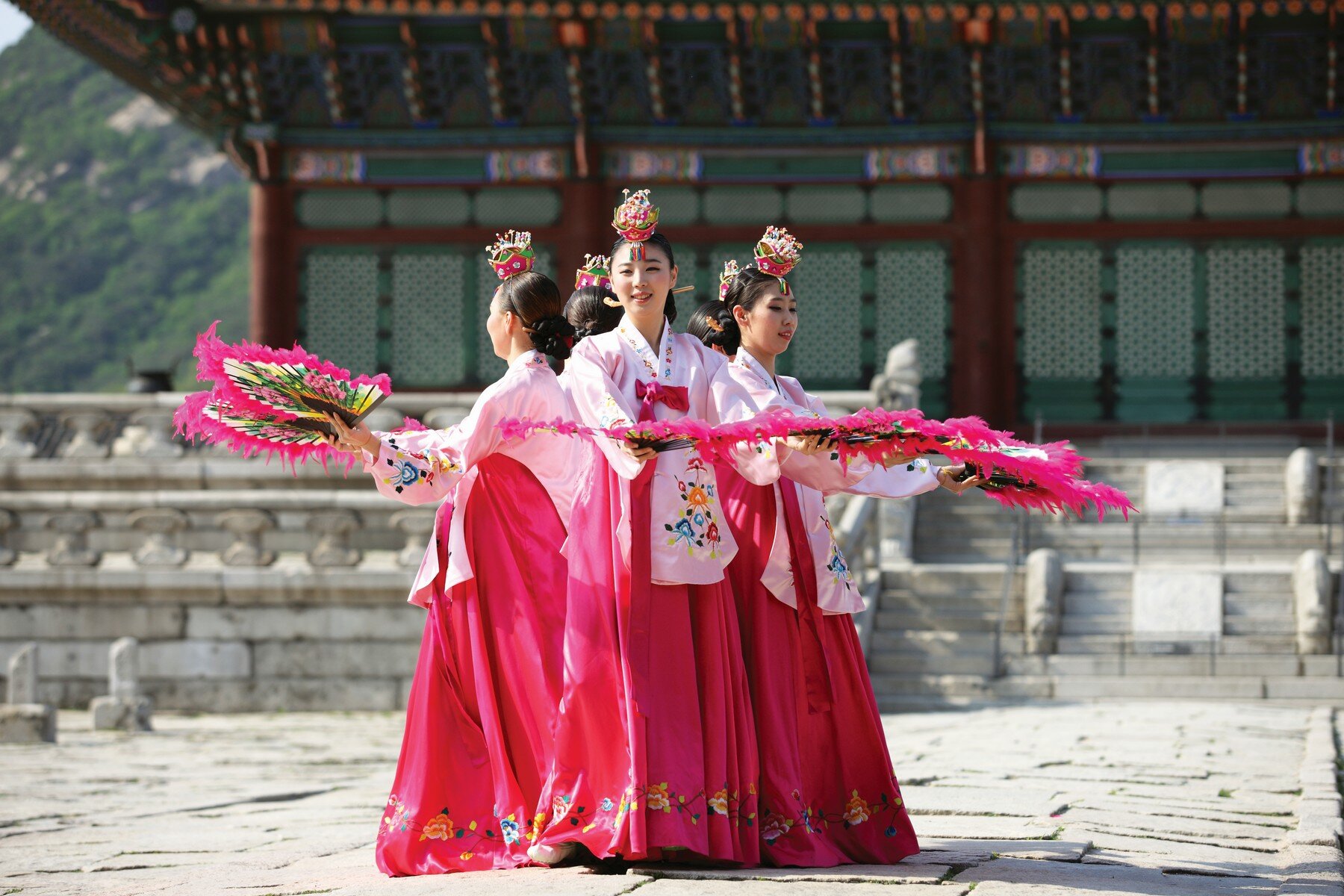
North Korea’s culture is a blend of traditional Korean customs and modern state-driven ideologies. Art, music, and literature often serve as tools for political messaging, with themes centered on patriotism and reverence for the leadership. The Arirang Mass Games, a highly choreographed performance involving tens of thousands of participants, showcase North Korea’s dedication to collective effort and national pride.
Traditional Korean customs, such as celebrating the Lunar New Year and honoring ancestors, remain important, though they are often framed within the context of state loyalty. North Korea also preserves historical landmarks such as the Kumsusan Palace of the Sun, which serves as a mausoleum for the country's founding leaders.
4. Tourism in North Korea: What Visitors See
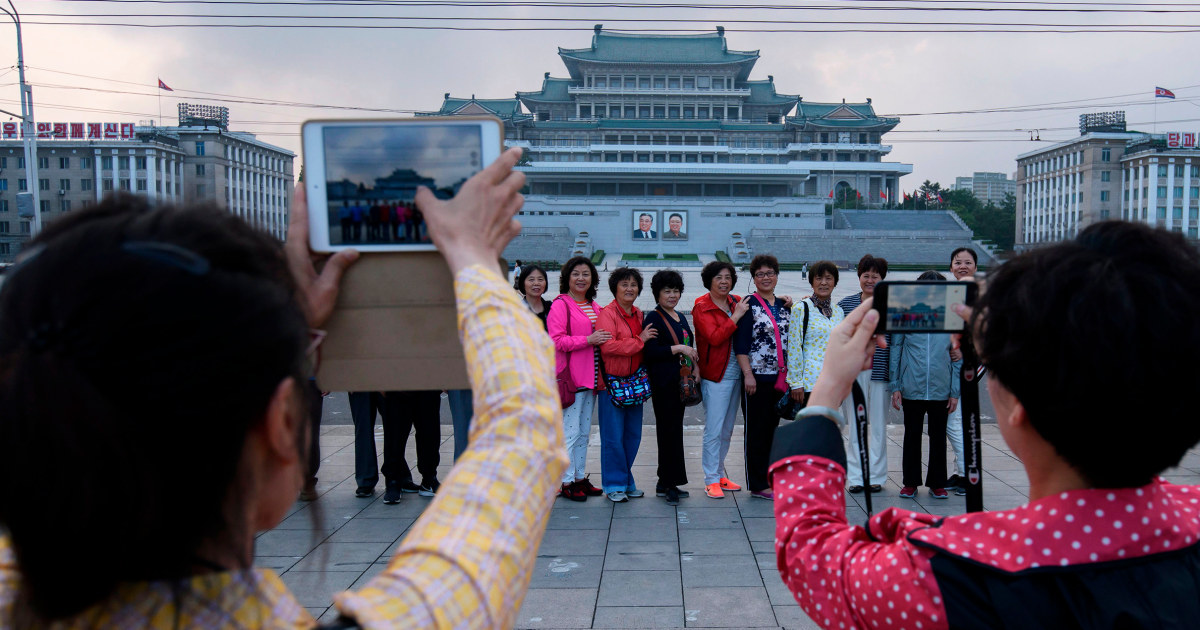
Tourism in North Korea is strictly regulated, with visitors only allowed to explore designated areas under the supervision of government-approved guides. Key attractions include Pyongyang’s monumental architecture, such as the Juche Tower and the Arch of Triumph, which symbolize the country’s political ideologies.
The Demilitarized Zone (DMZ) is another popular destination, offering a glimpse into the tense relationship between North and South Korea. The port city of Wonsan and Mount Kumgang showcase North Korea’s natural beauty, though access remains restricted for most foreign visitors.
While tourism offers a carefully curated view of North Korea, it also highlights the stark contrast between its public image and the realities experienced by its citizens.
5. Economy and Global Relations
North Korea’s economy operates under a socialist framework, with heavy emphasis on state-owned enterprises and collective farming. Despite efforts to achieve self-sufficiency, the country faces significant economic challenges, including food shortages and limited access to modern technology.
International sanctions, imposed in response to North Korea’s nuclear weapons program, have further isolated its economy. However, the country has maintained trade relationships with a few allies, including China and Russia.
North Korea’s foreign relations are defined by its pursuit of nuclear capabilities and ongoing negotiations with global powers. While efforts at diplomacy have seen moments of progress, such as the 2018 summits with the United States, achieving long-term peace and cooperation remains elusive.


Comments 0
Sign in to join the conversation.
No comments yet. Be the first to say something.