


1. What Is WHOIS Lookup?
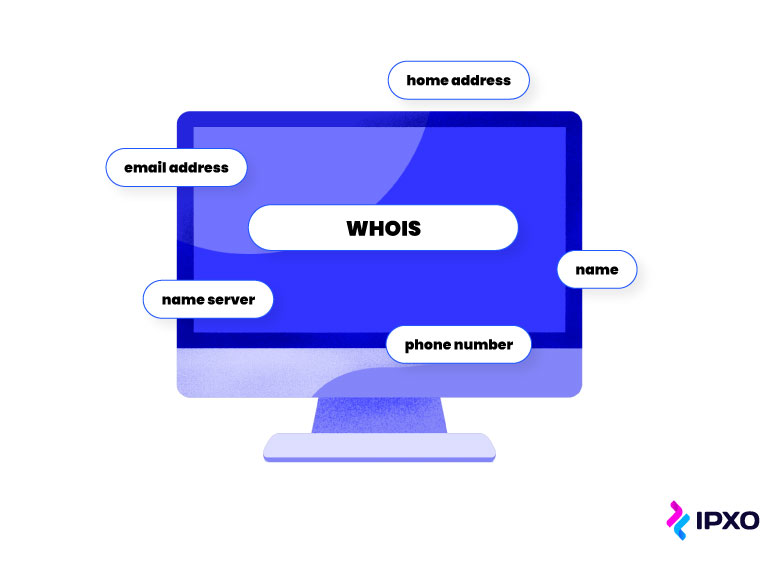
WHOIS lookup is a widely used protocol that provides public access to domain registration details. It allows users to retrieve essential information about a domain, including:
- The registered owner (if public)
- Domain registration and expiration dates
- The domain registrar (e.g., GoDaddy, Namecheap)
- Contact details for technical and administrative purposes
WHOIS has been an integral part of the internet since the early days of domain registration. It serves as a transparent system for verifying domain ownership, enabling businesses, security researchers, and law enforcement to track down website owners when necessary.
WHOIS lookup tools are freely available on various websites, allowing users to check domain details instantly. However, due to privacy concerns, many domain owners choose to use WHOIS privacy protection services to mask their information from public view.
2. How WHOIS Lookup Works
WHOIS operates as a decentralized database maintained by domain registrars and registries. When a domain is registered, the owner provides details that are stored in the WHOIS database.
To perform a WHOIS lookup, users can:
- Visit WHOIS lookup websites (e.g., ICANN WHOIS, Whois.net).
- Enter the domain name in the search bar.
- Receive registration details from the WHOIS database.
WHOIS records are updated whenever a domain is transferred, renewed, or modified. However, with the implementation of GDPR (General Data Protection Regulation), much of the personal information in WHOIS records is now redacted to protect user privacy.
3. The Importance of WHOIS in Cybersecurity
WHOIS lookup plays a crucial role in cybersecurity, helping security professionals and law enforcement track malicious websites and cyber threats.
Key cybersecurity applications of WHOIS include:
- Identifying fraudulent domains: WHOIS data helps detect phishing websites and scam domains by analyzing registration patterns.
- Investigating cyberattacks: Security teams use WHOIS records to trace domain ownership in cases of data breaches, hacking attempts, and online fraud.
- Enforcing copyright and trademark rights: Businesses use WHOIS to identify cybersquatters who register domains similar to well-known brands.
- Mitigating spam and bot attacks: WHOIS data assists in identifying and blocking domains associated with spam campaigns.
As cyber threats continue to rise, WHOIS lookup remains an essential tool for security professionals, IT administrators, and law enforcement agencies.

4. Privacy Concerns and WHOIS Protection
While WHOIS provides valuable transparency, it has raised concerns about privacy and data protection. Traditionally, WHOIS data was publicly accessible, exposing domain owners to spam, scams, and identity theft.
To address these concerns, many registrars now offer WHOIS privacy protection, which:
- Masks personal information such as names, emails, and phone numbers.
- Replaces owner details with the registrar’s contact information.
- Prevents unsolicited contact and domain hijacking attempts.
The introduction of GDPR has further restricted access to personal WHOIS data, allowing only authorized entities (such as law enforcement) to view full registration details.

5. The Future of WHOIS and GDPR Compliance
The landscape of WHOIS is evolving due to increased data privacy regulations. GDPR has significantly altered how WHOIS information is displayed, with many registrars now limiting public access to personal details.
Key trends in the future of WHOIS include:
- Tiered access systems: Only verified entities like law enforcement and cybersecurity firms can access complete WHOIS records.
- Blockchain-based WHOIS solutions: Decentralized systems may offer more secure and transparent domain registration data.
- Stronger privacy protections: WHOIS services will continue to enhance privacy features while balancing transparency needs.
As domain registration policies adapt to new regulations, WHOIS lookup remains a vital tool for internet governance, cybersecurity, and domain management.








Comments 0
Sign in to join the conversation.
No comments yet. Be the first to say something.