

Introduction
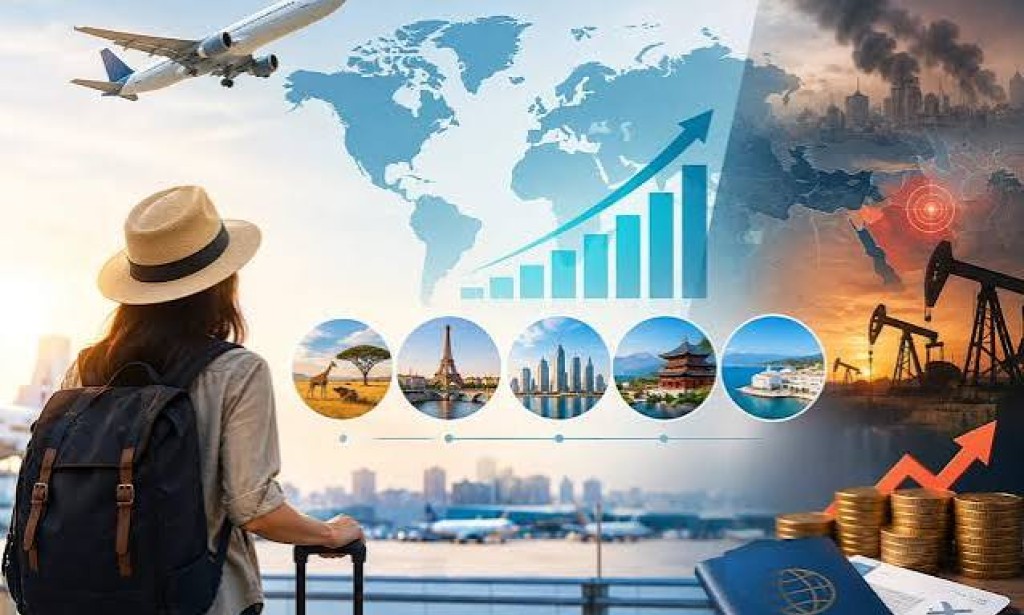
Travel and tourism are among the most exciting parts of human life. Travelling allows people to explore new places, experience different cultures, meet interesting people, and create unforgettable memories. Every destination has its own beauty, history, traditions, and lifestyle. Some people travel to relax, while others travel for education, business, adventure, or personal experiences.
In today's modern world, tourism has become an important part of the global economy. Millions of people travel every year to discover beautiful destinations, enjoy holidays, and learn about different cultures. From peaceful beaches and green mountains to historical buildings and modern cities, the world offers countless opportunities for exploration.
Travel is not only about visiting new places; it is also about discovering new perspectives and understanding the world.
1. What Is Travel and Tourism?
Travel means moving from one place to another for different purposes. Tourism refers to travelling to destinations outside one's usual environment for leisure, recreation, business, or other purposes.
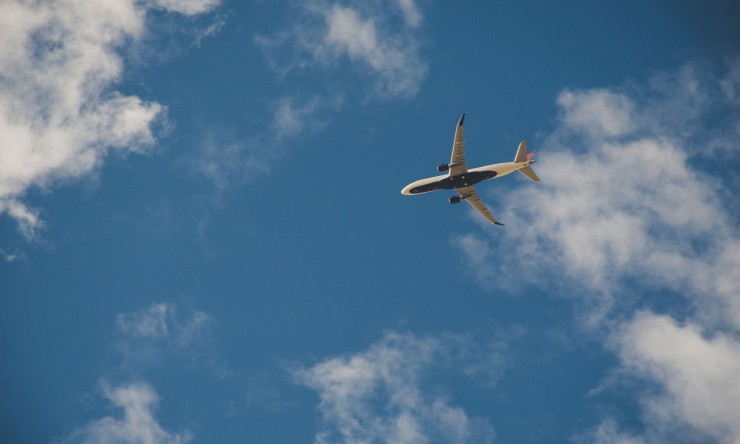
People travel in different ways. Some prefer travelling by airplane because it saves time, while others enjoy road trips, train journeys, or travelling by ship.
Tourism includes activities such as sightseeing, visiting historical places, enjoying natural attractions, shopping, attending cultural events, and experiencing local food.
Both travel and tourism provide opportunities to learn, relax, and explore the world.
2. Importance of Travelling in Human Life
Travelling plays an important role in personal development. It gives people a chance to take a break from their daily routines and experience something different.
When people visit new destinations, they learn about different lifestyles, traditions, languages, and cultures. These experiences can improve their knowledge and understanding.
Travelling also helps people become more independent and confident. Managing transportation, finding accommodation, and exploring unfamiliar places can develop problem-solving and decision-making skills.
Most importantly, travelling creates beautiful memories that people can remember throughout their lives.
3. Different Types of Tourism
There are many types of tourism, and each offers a different experience.
Adventure Tourism: This type of tourism includes exciting activities such as mountain climbing, hiking, camping, rafting, and trekking.
Cultural Tourism: Cultural tourism allows visitors to explore historical buildings, museums, traditional festivals, local art, and cultural practices.
Religious Tourism: People travel to visit holy places, participate in religious activities, and learn about spiritual traditions.
Medical Tourism: Some people travel to other cities or countries to receive medical treatment or specialized healthcare services.
Eco-Tourism: Eco-tourism focuses on exploring natural environments while protecting wildlife, forests, and natural resources.
Beach Tourism: Beach tourism is popular among people who enjoy swimming, relaxing, water sports, and beautiful seaside views.
4. Beautiful Tourist Destinations Around the World
The world is full of amazing tourist destinations that attract millions of visitors.
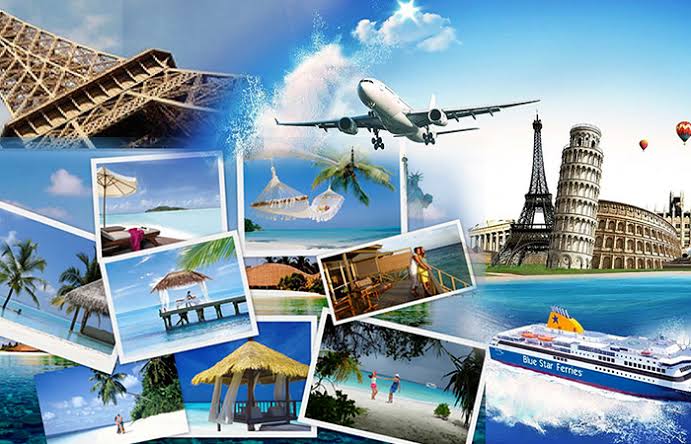
Paris is famous for its romantic atmosphere, historical architecture, and the Eiffel Tower. Dubai attracts visitors with its modern buildings, shopping centres, and luxury experiences.
Switzerland is known for its beautiful mountains, peaceful lakes, and snowy landscapes. Turkey attracts tourists through its historical sites, traditional markets, and cultural beauty.
The Maldives is another popular destination, especially for its clear water, beautiful beaches, and relaxing atmosphere.
Every destination provides something special, making travelling an unforgettable experience.
5. Tourism in Pakistan
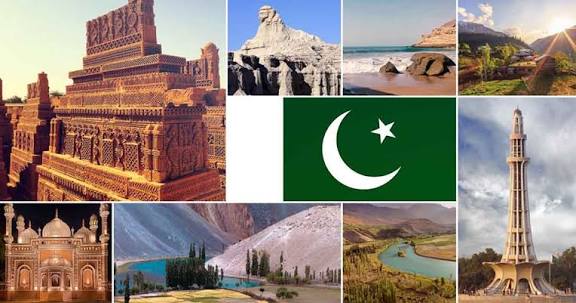
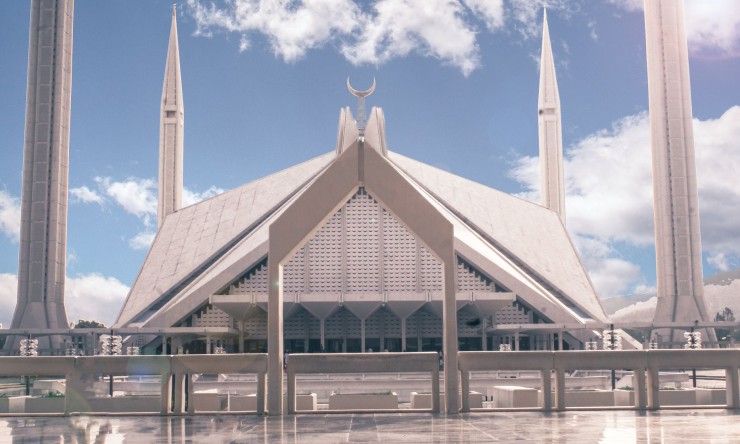
Pakistan is blessed with natural beauty, historical landmarks, and cultural diversity. It offers many wonderful destinations for local and international tourists.
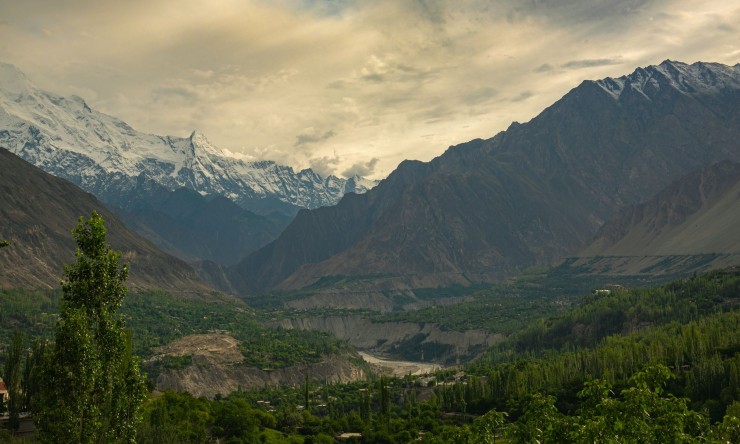
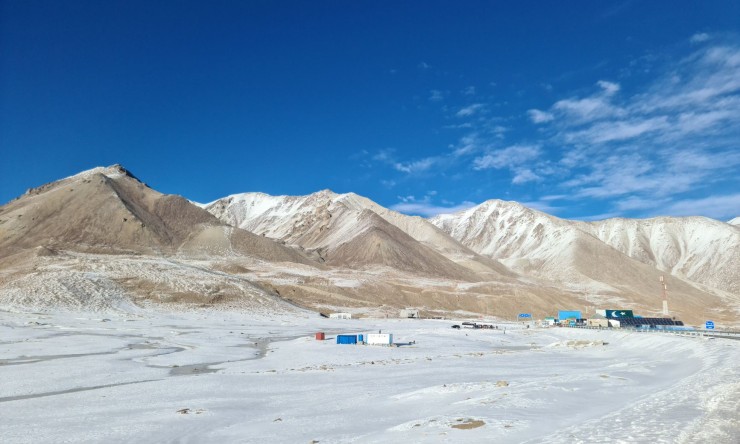
The northern areas of Pakistan are especially famous for their breathtaking landscapes.
Hunza Valley is known for its beautiful mountains, peaceful environment, and stunning views. Skardu attracts tourists with its lakes, valleys, and mountain scenery.
Swat Valley is famous for its green landscapes, rivers, and pleasant weather. Murree is another popular destination where visitors enjoy cool temperatures and beautiful mountain views.
Pakistan also has historical attractions such as Mohenjo-daro, Lahore Fort, Badshahi Mosque, and Makli Necropolis.
These destinations reflect the country's rich history, cultural heritage, and natural beauty.
6. Benefits of Tourism for the Economy
Tourism contributes significantly to economic development. When tourists visit a destination, they spend money on hotels, restaurants, transportation, shopping, and entertainment.
This spending supports local businesses and creates employment opportunities.
Hotels need workers, restaurants require staff, and travel companies need professional guides and drivers. Local artists and shopkeepers can also benefit from tourism.
Tourism can encourage infrastructure development, including better roads, transportation facilities, public services, and communication systems.
Therefore, responsible tourism can support communities and improve economic opportunities.
7. Travel and Mental Health
Travelling can have positive effects on mental well-being. A change of environment may help people relax and temporarily move away from everyday responsibilities.
Visiting peaceful natural places, walking near the sea, exploring green mountains, and spending time with loved ones can create enjoyable experiences.
Travelling also provides opportunities for adventure and excitement. New experiences can refresh the mind and encourage creativity.
However, travel is not a replacement for professional mental healthcare. Its benefits depend on personal circumstances, comfort, and individual needs.
8. Importance of Technology in Modern Tourism
Technology has completely changed the travel industry. In the past, people often depended on travel agents and printed maps to plan their journeys.
Today, smartphones and the internet make travelling easier.
People can book flights, reserve hotel rooms, compare prices, explore destinations, and read reviews online.
Navigation applications help travellers find routes and discover nearby attractions. Translation tools can also help people communicate when visiting countries with different languages.
Social media platforms allow travellers to share photographs, videos, and experiences with people around the world.
Technology has made travel planning more convenient and accessible.
9. Challenges Faced by Tourists
Although travelling is exciting, it can also involve certain challenges.
One common challenge is the cost of travelling. Flights, accommodation, transportation, and food can become expensive.
Weather conditions may also affect travel plans. Heavy rain, extreme temperatures, and natural disasters can create difficulties.
Language barriers may make communication challenging in unfamiliar destinations.
Safety is another important concern. Tourists should protect their belongings, follow local laws, respect cultural traditions, and remain aware of their surroundings.
Proper planning can reduce many travel-related problems.
10. Responsible and Sustainable Tourism
Responsible tourism means travelling in a way that respects local communities, cultures, and natural environments.
Tourists should avoid throwing rubbish in public places, damaging historical buildings, disturbing wildlife, or wasting natural resources.
Supporting local businesses is another positive practice. Visitors can purchase locally made products, enjoy traditional food, and respect local customs.
Sustainable tourism focuses on protecting destinations so that future generations can enjoy them.
Every traveller has a responsibility to protect the beauty of the places they visit.
11. Tips for Planning a Successful Trip
A successful journey begins with proper planning.
First, choose a destination according to your interests, time, and budget.
Second, research the weather, transportation facilities, accommodation options, and local attractions.
Third, prepare important documents and keep emergency contact information available.
Fourth, pack necessary clothes, medicines, personal items, and travel essentials.
Finally, respect local traditions and follow safety instructions throughout the journey.
Good preparation makes travelling more comfortable, enjoyable, and memorable.
Conclusion
Travel and tourism are important parts of modern life. They provide opportunities to explore beautiful destinations, learn about different cultures, meet new people, and create unforgettable memories.
Tourism also supports economic development by creating jobs and encouraging local businesses. Pakistan, with its mountains, valleys, historical landmarks, and cultural heritage, has enormous potential for tourism.
However, travellers should always respect nature, protect historical places, and follow responsible travel practices.
The world is full of beautiful places waiting to be explored. Travelling teaches us that life is not only about reaching destinations but also about enjoying experiences, learning new things, and appreciating the beauty of our world.



Comments 0
Sign in to join the conversation.
No comments yet. Be the first to say something.