

Table of Contents
- Introduction: Understanding the Role of Antimicrobials
- The Benefits of Antimicrobials in Modern Medicine
- The Dark Side: Rising Antimicrobial Resistance
- Factors Contributing to Misuse and Overuse of Antimicrobials
- Strategies for Responsible Antimicrobial Usage
- The Future of Antimicrobials in Healthcare
1. Introduction: Understanding the Role of Antimicrobials
Antimicrobials, including antibiotics, antivirals, antifungals, and antiparasitics, are a cornerstone of modern medicine. These agents are employed to combat a wide range of microbial infections, saving countless lives every day. The advent of antibiotics, in particular, revolutionized healthcare in the 20th century, transforming once deadly infections into manageable conditions. However, while antimicrobials are undeniably powerful tools, their increasing prevalence in healthcare, agriculture, and even daily life has raised important questions about their long-term impact.
One of the major concerns is the development of antimicrobial resistance (AMR), a phenomenon where microbes evolve to withstand the drugs designed to kill them. This resistance threatens the effectiveness of antimicrobial treatments, making once treatable infections potentially life-threatening. As a result, antimicrobials can be seen as a "blade that cuts both ways" – effective in fighting infections, yet dangerous when misused or overused. Understanding the full scope of antimicrobials’ role in medicine is crucial to balancing their benefits and risks.
2. The Benefits of Antimicrobials in Modern Medicine
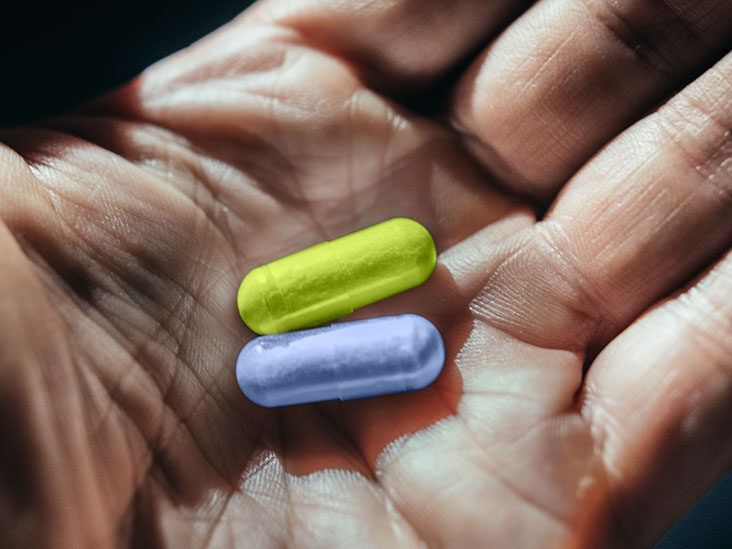
The benefits of antimicrobials are undeniable. These drugs have played a central role in reducing mortality from infections, preventing surgical complications, and improving overall public health. Antibiotics, for example, have been instrumental in treating bacterial infections such as pneumonia, tuberculosis, and urinary tract infections. Antifungal agents have revolutionized the treatment of conditions like candidiasis, while antiviral drugs are essential in managing diseases like HIV/AIDS and influenza.
Beyond individual health, antimicrobials have societal impacts, particularly in the realm of public health. Vaccines and antimicrobial treatments have significantly reduced the incidence of infectious diseases globally, leading to longer life expectancies and better quality of life. They have also been crucial in the control of pandemics and epidemics, providing the tools to limit the spread of contagious diseases. In short, antimicrobials are a crucial part of the medical arsenal, often serving as the difference between life and death for patients with severe infections.

3. The Dark Side: Rising Antimicrobial Resistance
Despite the clear advantages, the misuse and overuse of antimicrobials have led to a global health crisis: antimicrobial resistance (AMR). AMR occurs when microorganisms – including bacteria, viruses, and fungi – evolve to survive exposure to antimicrobial agents that would typically kill them or inhibit their growth. This resistance makes infections more difficult to treat and significantly increases the risk of complications and death.
AMR is driven by several factors, including the overprescription of antibiotics by healthcare providers, self-medication by patients, and the use of antimicrobials in agriculture. Misuse in hospitals, where patients are often treated with broad-spectrum antibiotics unnecessarily, further accelerates resistance. The rise of "superbugs," which are resistant to multiple classes of antibiotics, poses a serious threat to global health security. Diseases that were once easily treatable could once again become deadly, and new treatment options are urgently needed.
4. Factors Contributing to Misuse and Overuse of Antimicrobials
The misuse and overuse of antimicrobials are multifaceted issues with roots in both healthcare practices and societal behaviors. In many parts of the world, antimicrobials are often prescribed unnecessarily for viral infections, such as the common cold or influenza, against which antibiotics are ineffective. This contributes to the gradual erosion of the drugs' effectiveness and the emergence of resistant strains.
Furthermore, the availability of antimicrobials over-the-counter in certain regions exacerbates the problem, as patients self-medicate without consulting a doctor. In agriculture, the widespread use of antibiotics in livestock, often for growth promotion rather than disease treatment, accelerates resistance by exposing microbes to sub-lethal doses of antimicrobials. The combination of these factors creates a perfect storm for the development of resistant pathogens that can spread across populations and borders, making AMR a global public health crisis.
5. Strategies for Responsible Antimicrobial Usage
Addressing antimicrobial resistance requires a multifaceted approach that involves all sectors of society, from healthcare professionals to policymakers and the general public. One key strategy is the implementation of antibiotic stewardship programs in hospitals and clinics, where healthcare providers are encouraged to prescribe antimicrobials only when necessary, and to select the appropriate drugs at the correct dosage and duration.
Education plays a crucial role in this effort. Public health campaigns that inform both patients and healthcare workers about the risks of overuse and misuse can help reduce demand for unnecessary prescriptions. Additionally, promoting the development of new antibiotics and alternative treatments is essential to stay ahead of evolving resistant strains. Enhanced surveillance of antimicrobial usage and resistance patterns can also inform strategies to combat AMR more effectively.
6. The Future of Antimicrobials in Healthcare
The future of antimicrobials in healthcare hinges on striking a balance between their continued use and the preservation of their effectiveness. While there is hope that new classes of antibiotics and alternative therapies will emerge, it is equally important to focus on prevention, including improving sanitation and hygiene practices, vaccination programs, and the judicious use of antimicrobials.
Research into bacteriophage therapy, antimicrobial peptides, and other innovative treatments holds promise for tackling resistant infections. Furthermore, a global effort is needed to tackle AMR at a systemic level, ensuring that antimicrobials are used wisely and responsibly. The dual nature of antimicrobials – as powerful tools in the fight against infections but also as agents of potential harm – demands careful attention, collaboration, and innovation as we move forward in the battle against microbial threats.

You must be logged in to post a comment.