

Table of Contents
2. What Makes Labubu So Irresistible?
4. Unsettling Reports and Online Stories
5. The Psychology Behind the Obsession
### 1. The Rise of Labubu Dolls
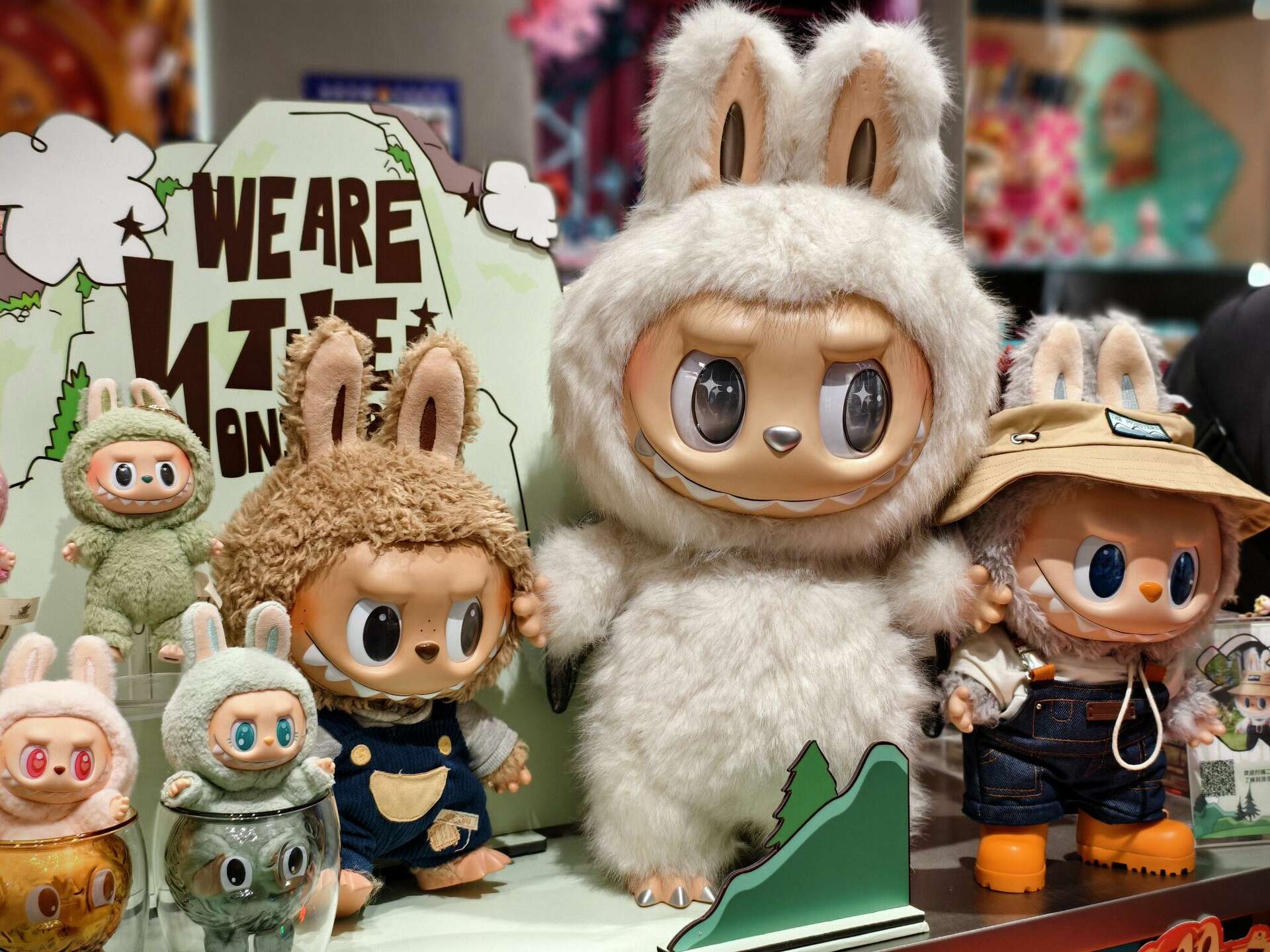
The Labubu doll trend didn’t emerge overnight—it was the result of a carefully crafted design paired with social media virality. Originally part of the "The Monsters" toy series by the Hong Kong-based brand Pop Mart, Labubu quickly became the center of attention due to its odd charm: wide, toothy smile, small, pointy ears, and mischievous stare. Fans from Asia to Europe rushed to collect limited-edition versions, often standing in long lines or paying premium prices on reselling platforms. With the explosion of unboxing videos, TikTok trends, and Instagram reels, Labubu moved from niche toy collections to mainstream fascination.
Labubu’s appeal lies in its blend of cuteness and horror—striking a perfect balance between unsettling and endearing. As collectors expanded their shelves and influencers flaunted their collections, few stopped to ask: where did this creature come from? And what does it truly represent?
### 2. What Makes Labubu So Irresistible?
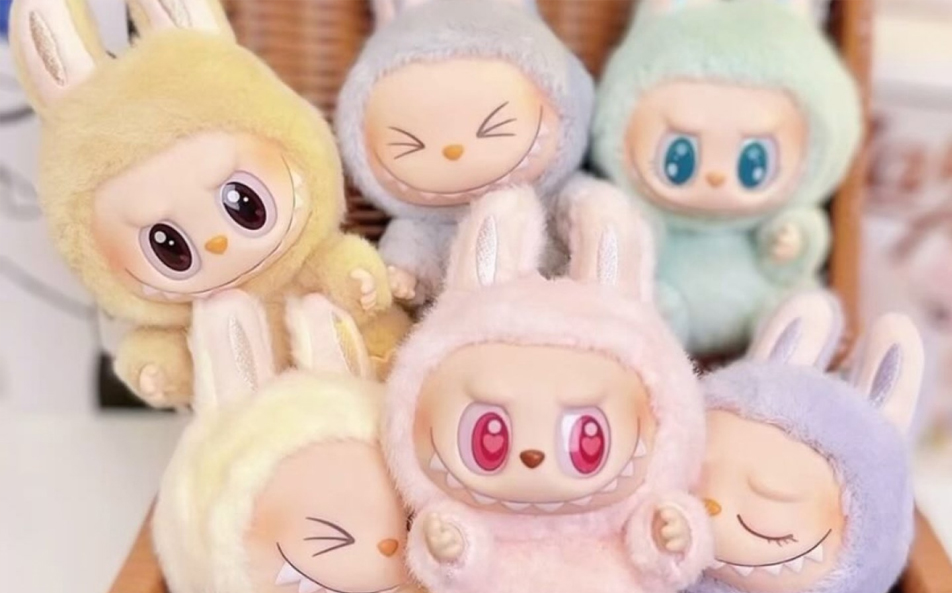
There’s no denying that Labubu dolls have an uncanny magnetic pull. Designed with a blend of gothic fantasy and childlike whimsy, they appeal to both collectors of horror toys and lovers of kawaii culture. The toy's signature features—exaggerated teeth, bulging eyes, and haunting expressions—evoke a sense of curiosity and rebellion. For Gen Z and millennials, Labubu represents the break from traditional ideals of beauty in toys. It’s not polished or pretty in a classic sense; it's weird, unapologetic, and chaotic—qualities increasingly celebrated online.
Additionally, the scarcity and surprise-element in blind box packaging adds to the craze. You never know which version of Labubu you’ll get, making every purchase a little gamble. This randomness feeds into dopamine loops that mimic addictive behaviors, not unlike loot boxes in gaming. Over time, collectors are driven by the thrill of “catching them all,” and social status among online communities becomes associated with rare or complete sets.
### 3. The Dark Origins of Labubu
While most fans see Labubu as just a quirky character, some deeper digging reveals unsettling elements in its backstory. Created by the artist Kasing Lung, Labubu is inspired by his childhood fears and nightmares. According to interviews, the designer intentionally embedded emotional darkness into Labubu’s world—meant to reflect feelings of loneliness, rejection, and isolation.
In some of Lung's sketches, Labubu is seen lurking in abandoned places, watching silently, or crying alone. These are not your typical toy themes. The deeper narrative suggests that Labubu is not just a toy—it’s a representation of inner demons, mental health struggles, and a child’s coping mechanism through imaginary friends.
What’s more chilling is that Labubu’s appearance was inspired by a mix of European folklore creatures and horror icons, including changelings and forest spirits that steal children's laughter. As more people learned this, the once-adorable doll took on a far more haunting identity.

### 4. Unsettling Reports and Online Stories
With fame comes scrutiny. As Labubu's popularity soared, so did eerie stories from owners across the globe. Some TikTok users reported strange experiences after bringing the dolls home—hearing whispers, objects falling in the night, or even nightmares involving the doll itself. One viral story involved a girl who claimed her entire set of Labubu dolls mysteriously rearranged themselves overnight—caught on her pet cam.
While skeptics dismiss these as coincidence or exaggeration, the number of similar experiences shared anonymously online can't be ignored. Forums like Reddit and niche collector groups are now flooded with threads about “haunted Labubu dolls.” Some claim it’s the energy embedded in the original sketches. Others believe the mass obsession itself has turned Labubu into a modern-day tulpa—a psychological manifestation given form through belief.
Whether fact or fiction, these tales have added a layer of fear to the fandom that once celebrated Labubu’s weirdness.
### 5. The Psychology Behind the Obsession
Psychologists suggest that Labubu’s design taps into a unique aesthetic called “cute horror” or “creepy-cute”—an emotional contradiction that provokes both attraction and discomfort. Humans are naturally drawn to things that confuse our expectations, and Labubu hits that sweet spot between grotesque and adorable.
This cognitive dissonance triggers curiosity and emotional bonding. It also appeals to people who feel like outsiders—those who resonate with imperfection, oddity, or emotional depth. For some, Labubu represents their inner child’s suppressed fears. For others, it's a rebellion against polished influencer culture.
The addiction to collecting such dolls is also tied to identity expression. In an era of hyper-individualism, owning something as distinctive as a Labubu doll allows fans to showcase uniqueness and emotional complexity. It’s not just a toy—it’s a statement.

You must be logged in to post a comment.