

- Why is healthy food important for our body?
- How to develop healthy eating habits
- Best healthy foods for students
- How healthy eating improves mental health
- What are the benefits of a balanced diet?
- Healthy foods for a strong body and mind
Introduction:
Food is one of the most essential elements of human life. It maintains overall health, supports physical development, strengthens the immune system, and supplies our bodies with the energy they require to carry out day-to-day activities. However, not every food has the same positive effects. Some foods provide essential nutrients that protect the body from diseases, while others, when consumed excessively, may contribute to serious health problems.
Healthy eating is not simply about reducing calories or avoiding your favorite meals. It all comes down to selecting a well-balanced diet that provides the body with carbohydrates, healthy fats, vitamins, minerals, proteins, and dietary fiber. Additionally, mental performance is enhanced, emotional well-being is supported, and quality of life is enhanced by a healthy diet. In today's modern world, unhealthy eating habits have become increasingly common.
People's health is being negatively impacted by fast food, sugary beverages, processed snacks, and irregular eating patterns, particularly students and young adults. Therefore, understanding the importance of healthy foods and developing better eating habits is essential for everyone.
1. Which foods are good for you?
Natural or minimally processed foods that supply the necessary nutrients for a healthy body are considered healthy. They help maintain energy levels, support the immune system, improve digestion, and reduce the risk of various diseases.
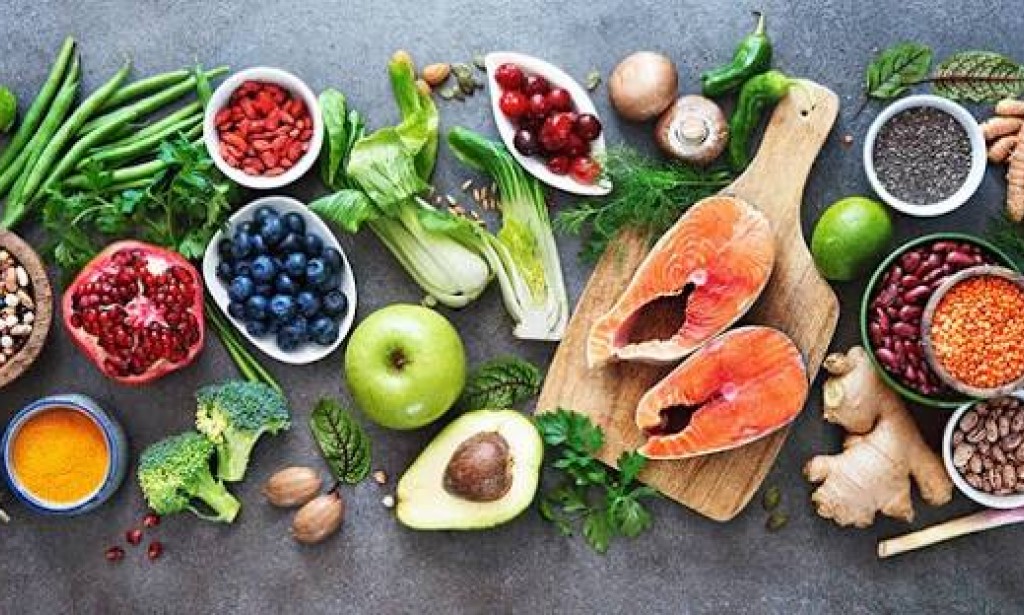
Examples of healthy foods include fresh fruits, vegetables, whole grains, nuts, seeds, dairy products, fish, eggs, and lean meat.
A balanced diet should contain different food groups because no single food can provide all the nutrients the body requires. Eggs, fish, and beans, on the other hand, are rich sources of protein, vitamins, and antioxidants. Nuts contain beneficial fats, and whole grains provide energy and fiber. The key to healthy eating is variety, moderation, and balance. People should focus on eating different nutritious foods rather than depending on only one type of food.
2. The Importance of Vegetables and Fruits:
Fruits and vegetables are among the most important components of a healthy diet. They support the body's strength and well-being by containing essential vitamins, minerals, antioxidants, dietary fiber, and other nutrients. Important nutrients can be found in fruits like mangoes, apples, bananas, oranges, and berries. Oranges, for instance, have a lot of vitamin C, which helps the immune system, and bananas have potassium, which helps keep muscle and nerve function normal.
Vegetables such as spinach, carrots, broccoli, tomatoes, and cabbage also provide valuable nutrients. Because they contain vitamins, minerals, and fiber, green leafy vegetables are especially beneficial. Fruits and vegetables can help with digestion, support heart health, and lower the risk of some chronic diseases when consumed regularly. They also help people maintain a healthy weight because many fruits and vegetables are relatively low in calories and high in fiber.
3. Protein's Impact on Human Health:
Protein is an essential nutrient that plays a major role in building and repairing body tissues. It aids in the production of hormones and enzymes, strengthens the body, and supports muscle growth. Good sources of protein include eggs, chicken, etc

5. The Advantages of Whole Grains Because they provide complex carbohydrates, dietary fiber, vitamins, and minerals, whole grains are an essential component of a well-balanced diet. Whole grains, in contrast to refined grains, contain the germ, endosperm, and bran of the grain. Examples include brown rice, oats, whole-wheat bread, barley, and whole-wheat flour.
Whole grains provide a steady source of energy and help maintain healthy digestion. Fiber also supports gut health and may help reduce the risk of heart disease and type 2 diabetes.
Whole grains are particularly useful because they provide energy for daily activities for students and professionals. Whole-grain alternatives to refined grains are a practical way to improve the quality of one's diet. 6. Healthy Fats and Their Importance
Many people believe that all fats are harmful, but this is not true. Healthy fats are what the body needs to absorb certain vitamins, keep organs safe, make hormones, and help the brain work properly. Healthy fats can be found in foods such as almonds, walnuts, peanuts, olive oil, avocados, seeds, and oily fish.
Omega-3 fatty acids, which are present in fish such as salmon, etc.
7. The Harmful Effects of Harmful Foods Modern lifestyles have increased the consumption of fast food, packaged snacks, sugary drinks, and highly processed foods. Even though they may be useful and attractive, using too many of these products can be bad for your health. Chips, burgers, fried chicken, sweet desserts, soft drinks, and other foods may be high in salt, sugar, unhealthy fats, calories, and sodium.
Obesity, high blood pressure, type 2 diabetes, and heart disease can all be exacerbated by eating these foods in large quantities on a regular basis. Concentration, energy levels, and quality of sleep may also be negatively impacted by unhealthy eating habits. Students who frequently replace nutritious meals with fast food may struggle to maintain consistent energy throughout the day.
In addition, having regular meals and drinking enough water can help you concentrate better and be more productive. Not only is eating well good for your body, but it also helps you succeed in school and live a more active lifestyle. 9. How to Create a Healthy Diet The creation of a well-balanced diet does not necessitate costly food items or complicated meal plans. People can improve their eating habits through simple and affordable choices.
On the other hand, consuming a lot of processed foods, sugary drinks, and unhealthy fats can make you more likely to have serious health issues. It doesn't take a lot of changes to develop healthy eating habits. Over time, small changes like eating more vegetables, choosing whole grains, drinking enough water, and cutting back on junk food can make a big difference.
In the end, eating well is an investment in the future. Everyone, particularly students and young people, ought to comprehend that healthy eating is not a luxury but a necessity. We can create tomorrow's lives that are happier, healthier, and more productive if we make informed food choices today. 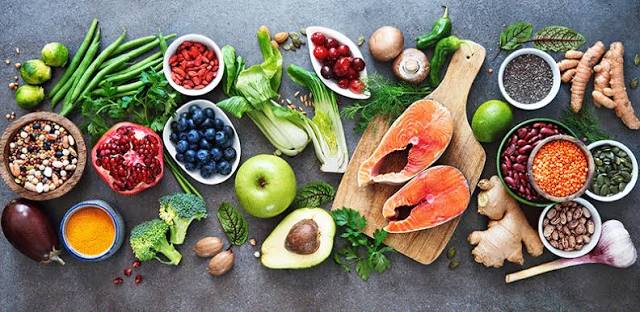
Conclusion:
Healthy food is the foundation of a strong body, an active mind, and a better quality of life. A balanced diet provides the essential nutrients required for growth, energy, immunity, and overall well-being. Fruits, vegetables, whole grains, proteins, healthy fats, and sufficient water all play important roles in maintaining good health.
In contrast, excessive consumption of processed foods, sugary drinks, and unhealthy fats can increase the risk of serious health problems.
Developing healthy eating habits does not require dramatic changes. Small steps, such as eating more vegetables, choosing whole grains, drinking enough water, and reducing junk food, can make a significant difference over time.
Ultimately, healthy eating is an investment in the future. Every individual, especially students and young people, should understand that good nutrition is not a luxury but a necessity. By making informed food choices today, we can build healthier, happier, and more productive lives tomorrow.
Frequently Asked Questions (FAQs)
1. What are the healthiest foods to eat every day?
Fruits, vegetables, eggs, fish, nuts, whole grains, milk, and lentils are some of the healthiest foods to include in your daily diet.
2. Why is healthy food important for our body?
Healthy food provides essential nutrients, strengthens the immune system, improves digestion, supports brain function, and helps prevent diseases.
3. How does a balanced diet improve health?
A balanced diet provides the right combination of proteins, carbohydrates, healthy fats, vitamins, and minerals to maintain physical and mental health.
4. What are the disadvantages of eating too much junk food?
Eating too much junk food can increase the risk of obesity, diabetes, heart disease, and high blood pressure.
5. How can students develop healthy eating habits?
Students can develop healthy habits by eating breakfast, choosing nutritious snacks, drinking enough water, and avoiding excessive fast food.









Comments 1
Sign in to join the conversation.
however i seen the articles but this articel impressed me more then moore