

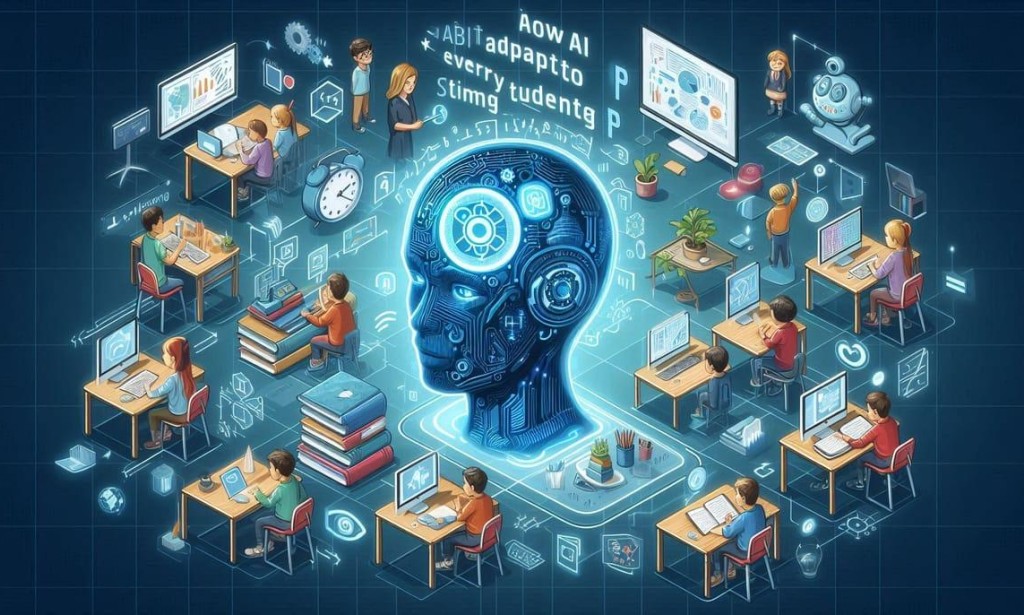
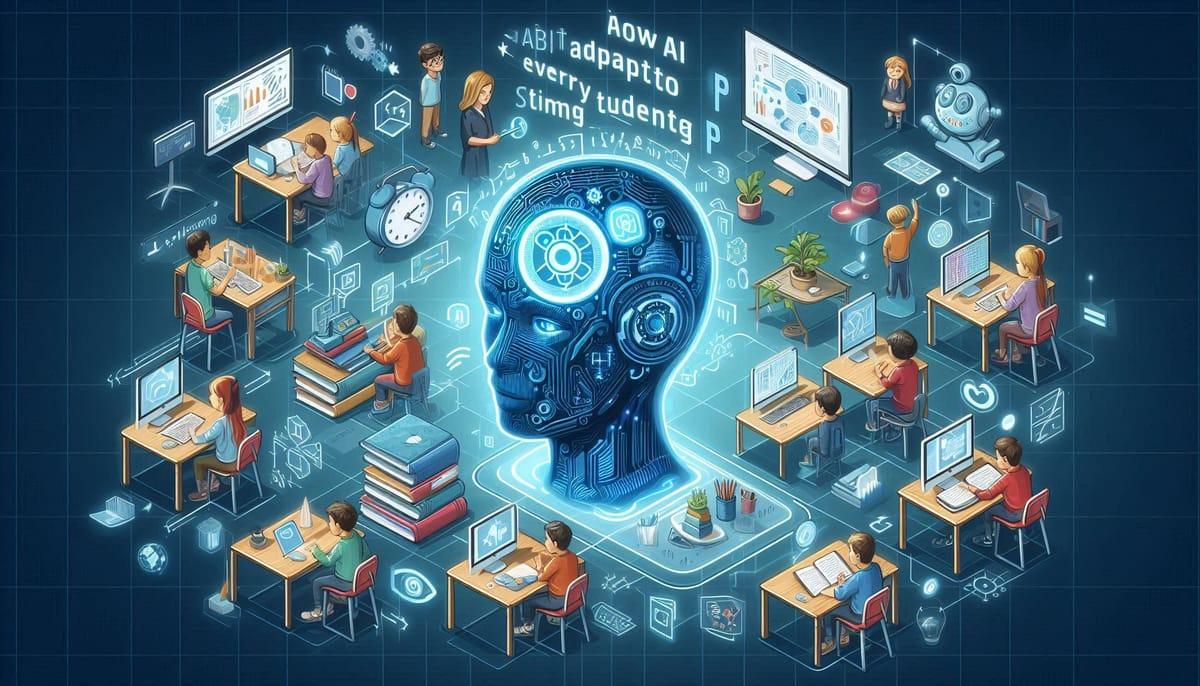
How Education Will Change in the Future Because of AI
Introduction:
Artificial Intelligence (AI) is transforming almost every part of modern life, and education is one of the fields experiencing the biggest changes. AI is making it possible for educators to improve their teaching methods and help students learn more efficiently through intelligent tutoring systems and online learning platforms.
The gradual integration of digital technology into conventional classrooms is opening up new educational opportunities worldwide. To comprehend difficult subjects in the past, students primarily relied on textbooks, classroom lectures, and teachers. Today, AI-powered tools can explain complex topics, answer questions, provide practice exercises, and help learners identify their weaknesses.
Education is becoming more adaptable, accessible, and personalized as a result of these developments. However, teachers and conventional education will not be replaced by artificial intelligence. The real goal is to help students and teachers by making learning easier and more fun.
1. Personalized Learning for Every Student
Personalized learning is one of the greatest benefits of artificial intelligence in education. Each student has unique academic requirements, comprehension level, and learning pace. In a traditional classroom, teachers may find it difficult to give individual attention to every learner.
Educational platforms powered by AI can evaluate a student's performance and tailor lessons to their abilities. An AI learning system, for instance, can offer additional explanations, examples, and practice questions to students who struggle with math. In a similar vein, students who grasp a subject quickly can progress to more advanced lessons. Students can learn at their own pace and improve their knowledge without feeling pressured in any way with this method.
2. Increasing the accessibility of education
Education is becoming more accessible to people from all over the world thanks to artificial intelligence. Students who cannot attend traditional schools or universities can use online learning platforms to access educational resources.
Tools for speech recognition and translation powered by AI can also help students with language difficulties. Students can improve their communication abilities by translating educational materials, listening to explanations, and translating. For people living in remote areas, digital learning tools can provide access to knowledge that may not be available in their local communities. This may assist in removing obstacles to education and expanding opportunities for learning.
3. Providing Assistance to Classroom Teachers
Teachers play a crucial role in education, but they also have a lot more to do than just teach. They prepare assignments, check homework, evaluate student performance, and manage classroom activities.
Artificial intelligence can help teachers complete some of these tasks more efficiently. For instance, some AI tools can help with the creation of quizzes, the preparation of lesson plans, the organization of learning resources, and the provision of feedback on assignments. This support can save teachers time and allow them to focus more on explaining difficult concepts, guiding students, and developing their confidence.
Teachers, on the other hand, remain significant because education is about more than just information. Human comprehension, emotional support, discipline, and personal growth

4. Improving Research and Problem-Solving Skills
For projects, presentations, and assignments, students frequently need to conduct research. Artificial intelligence can help them explore subjects, organize ideas, and understand complicated information.
AI tools can offer alternative strategies for resolving issues and simplify difficult concepts. When studying a large subject, they can also assist students in locating key information. Nevertheless, students should not depend entirely on AI-generated answers. They must verify information through reliable sources, think critically, and develop their own opinions.
The best way to use AI is as a learning assistant rather than a replacement for independent thinking.
5. Getting Students Ready for Careers Automation,
Digital technology and artificial intelligence are rapidly altering the modern job market. Many industries now require employees who understand technology and can adapt to new working environments.
Skills like critical thinking, communication, creativity, problem-solving, and digital literacy must be developed in students. They can also prepare for future career opportunities by learning how AI works. Schools and universities should introduce practical technology education so that students understand both the benefits and limitations of AI.
Teaching students how to use digital tools alone is not sufficient to prepare them for the future. Additionally, it entails assisting them in developing independent, creative, and responsible thinkers.
6. Education's Obstacles to Artificial Intelligence
Although AI offers many benefits, it also creates challenges that schools, teachers, students, and parents must understand.
Overdependence on technology is a major issue. Students may stop developing their own writing, research, and problem-solving skills if they use AI to complete every assignment. Inaccurate information is another source of concern. AI systems can sometimes provide incorrect or misleading answers. Instead of accepting every response as correct, students must learn to check the facts.
. Privacy is also crucial. Schools should use reliable tools and safeguard students' data on educational platforms because educational platforms may collect personal information. Furthermore, not every student has access to a reliable internet connection, modern devices, or paid educational services. Equal access to technology must continue to be a significant objective.
7. AI in Education's
Future teachers, students, and intelligent digital systems will likely interact more closely in the future of education. AI may assist in making lessons more interactive, providing faster feedback, and determining where students require additional assistance.
Virtual learning environments and AI-powered assistants may also make education more flexible. Teachers could use technology to better understand classroom performance while students received individualized guidance. However, successful education will always require human values.
Technology alone cannot cultivate respect, honesty, curiosity, creativity, and emotional comprehension. The most effective educational system will combine modern tools with experienced teachers and responsible learning practices.
Frequently Asked Questions (FAQs)
1. How is artificial intelligence changing education?
AI is changing education by providing personalized learning, supporting teachers, improving access to educational resources, and helping students understand difficult subjects.
2. Can artificial intelligence replace teachers?
No. AI can support teaching activities, but human teachers provide emotional support, personal guidance, classroom leadership, and important life lessons.
3. What are the benefits of AI for students?
AI can help students understand complex topics, practice difficult subjects, improve research skills, receive personalized feedback, and study at their own pace.
4. What are the disadvantages of AI in education?
Major concerns include inaccurate information, overdependence on technology, privacy risks, unequal access to digital resources, and reduced independent thinking if AI is misused.
5. How can students use AI responsibly?
Students should use AI to understand concepts, generate study ideas, and practice skills. They should verify information, complete their own work, and avoid presenting AI-generated content as their independent effort.
Conclusion:
Artificial intelligence is creating new opportunities in education by making learning more personalized, accessible, and efficient. It can support teachers, help students understand difficult subjects, and prepare young people for a technology-driven future.
However, technology alone cannot create successful students. Hard work, discipline, creativity, critical thinking, and guidance from teachers remain essential parts of education.
AI should be used as a helpful learning partner, not as a replacement for human intelligence and effort. When schools, teachers, and students use artificial intelligence responsibly, it can contribute to a smarter, more inclusive, and more effective educational future.








Comments 0
Sign in to join the conversation.
No comments yet. Be the first to say something.