


Introduction
Time is one of the most valuable resources in human life. Every person has the same twenty-four hours in a day, but the way people use their time makes a significant difference in their achievements. Some individuals complete their responsibilities efficiently, while others struggle to manage their daily activities. The difference often comes from their time-management habits.
Time management means planning and organising daily activities to use available time effectively. It helps individuals complete important tasks, achieve personal goals, and maintain a healthy balance between work and personal life. Whether someone is a student, teacher, employee, freelancer, or business owner, effective time management can improve productivity and reduce unnecessary stress.
1. What Is Time Management?
Time management is the process of organising and controlling how much time is spent on different activities. It involves setting priorities, creating schedules, avoiding distractions, and completing tasks within suitable time limits.
For example, a student who prepares a study timetable can divide time between different subjects, homework, revision, and relaxation.
Similarly, a professional can organise work responsibilities according to deadlines and importance.
Good time management does not mean staying busy throughout the day. It means using time wisely and focusing on activities that provide meaningful results.
2. Why Is Time Management Important?
Time management is important because it helps people become more organised and responsible. Without proper planning, individuals may waste valuable hours on unnecessary activities.
When people manage their time effectively, they can complete important responsibilities without feeling constantly rushed.
It also helps individuals understand their priorities and make better decisions.
Developing this skill can improve productivity, strengthen discipline, and create more opportunities for personal and professional growth.
3. Time Management for Students
Students have several responsibilities, including attending classes, completing assignments, preparing for examinations, and participating in educational activities.
Without proper planning, these responsibilities can become difficult to manage.
Students can improve their performance by creating daily study schedules and setting realistic academic goals.
For example, they can dedicate specific hours to difficult subjects and use short breaks to maintain concentration.
Preparing assignments before deadlines and revising lessons regularly can also reduce examination pressure.
Time management teaches students discipline and prepares them for future professional responsibilities.
4. The Importance of Setting Priorities
Setting priorities means identifying which activities are most important and should be completed first.
Not every task has the same level of importance. Some activities require immediate attention, while others can be completed later.
For example, completing an urgent assignment should generally receive more attention than spending unnecessary time on social media.
A useful method is to divide tasks into three categories:
High-priority tasks that require immediate attention.
Medium-priority tasks that are important but less urgent.
Low-priority tasks that can be completed when time is available.
This approach helps individuals focus on meaningful activities.

5. Creating a Daily Schedule
A daily schedule is an effective tool for organising responsibilities.
It provides a clear picture of how time will be used throughout the day.
People can prepare schedules according to their working hours, educational responsibilities, family needs, and personal interests.
A good schedule should include time for important tasks, meals, exercise, relaxation, and sleep.
However, schedules should remain flexible because unexpected situations may occur.
The purpose of planning is to improve organisation rather than create unnecessary pressure.
6. Avoiding Distractions
Distractions are one of the biggest obstacles to effective time management.
Mobile phones, social media, unnecessary conversations, and excessive entertainment can interrupt concentration.
For example, a person who checks social media repeatedly while studying may take much longer to complete a simple assignment.
To avoid distractions, individuals should keep their phones away during focused work, choose a quiet environment, and set specific periods for entertainment.
Reducing unnecessary interruptions can improve concentration and help people complete tasks more efficiently.
7. Time Management in Professional Life
Time management is an important professional skill because workplaces involve responsibilities, meetings, deadlines, and teamwork.
Employees who organise their tasks properly can complete assignments more efficiently.
Business owners also need time management to coordinate operations, communicate with customers, and plan future activities.
Freelancers must manage their working hours carefully because they often handle multiple projects and clients.
Preparing task lists, setting deadlines, and reviewing daily progress can help professionals maintain productivity.
8. The Connection Between Time Management and Success
Success usually requires consistent effort, patience, and proper planning.
People who manage their time effectively can dedicate regular attention to their goals.
For example, someone who wants to improve English communication skills can practise speaking for thirty minutes every day.
Similarly, an individual who wants to develop a professional career can dedicate time to learning new skills.
Small efforts performed consistently can produce meaningful results over time.
Time management helps transform long-term goals into practical daily activities.
9. Benefits of Taking Breaks
Some people believe that working continuously is the best way to achieve more. However, taking suitable breaks is also important.
Continuous work can cause tiredness and reduce concentration.
Short breaks allow the mind to relax and recover energy.
People can use break time for walking, drinking water, stretching, or enjoying fresh air.
A balanced routine that includes work and rest can support better concentration and productivity.
10. Common Time-Management Mistakes
Many people struggle with time management because of habits that reduce productivity.
Some common mistakes include:
Delaying important tasks.
Creating unrealistic schedules.
Spending too much time on social media.
Ignoring deadlines.
Trying to complete everything simultaneously.
Avoiding necessary breaks.
Failing to set clear priorities.
Recognising these mistakes is the first step towards improving daily habits.
Individuals should focus on gradual improvement instead of expecting perfect results immediately.
11. Practical Tips for Better Time Management
Developing effective time-management skills requires regular practice.
Here are some useful suggestions:
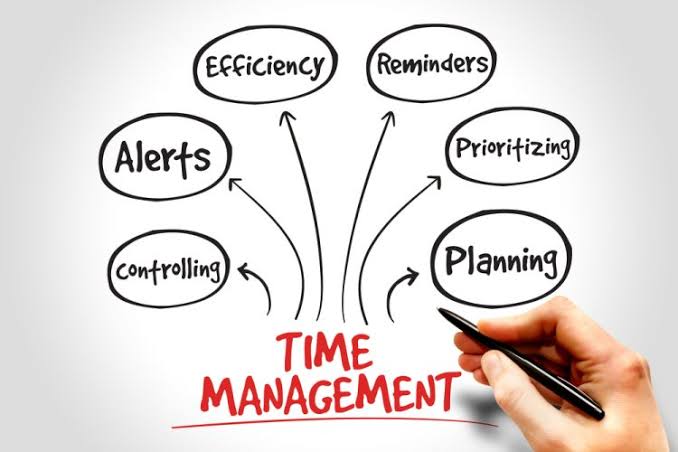
Prepare a daily task list.
Start important tasks early.
Set realistic deadlines.
Avoid unnecessary distractions.
Divide large projects into smaller tasks.
Review your progress every evening.
Maintain a healthy sleeping routine.
Make time for learning and personal development.
Learn to say no to unnecessary activities.
Remain consistent with your daily schedule.
Following these habits can make everyday responsibilities easier to manage.
Conclusion
Time management is an essential skill that contributes to personal development, academic improvement, and professional success. It teaches individuals how to organise responsibilities, establish priorities, avoid distractions, and use their time effectively.
Everyone has the same amount of time each day, but successful individuals understand the importance of using it wisely.
By developing a daily routine, setting achievable goals, and maintaining consistency, people can improve their productivity and create a better balance between their personal and professional lives.
Remember, time is valuable because once it passes, it cannot be recovered. Start managing your time today and take meaningful steps towards a more organised and successful future.







Comments 0
Sign in to join the conversation.
No comments yet. Be the first to say something.