

The Impact of Wearable Technology on Everyday Life
In recent years, wearable technology has rapidly transformed the way we interact with the world around us. From fitness trackers and smartwatches to advanced health-monitoring devices, wearables are now an integral part of daily life. These devices are no longer just for tech enthusiasts; they have become mainstream, offering practical solutions to a variety of needs, including health management, communication, and personal productivity. As the technology continues to evolve, it is shaping our routines and behaviors in profound ways.

1. Health and Fitness Monitoring
One of the most significant impacts of wearable technology is in the realm of health and fitness. Devices like Fitbit, Apple Watch, and Garmin offer users the ability to track their daily physical activity, heart rate, sleep patterns, and even stress levels. This real-time monitoring empowers individuals to take charge of their health and make informed decisions about their lifestyle.
For example, fitness trackers help users set goals, track progress, and stay motivated. They provide insights into daily step counts, calories burned, and active minutes, encouraging users to stay active throughout the day. More advanced wearables, such as the Apple Watch, even monitor ECG (electrocardiogram) readings and alert users to irregular heart rhythms, potentially saving lives by identifying health issues early.
In addition to fitness tracking, wearables also play a role in managing chronic conditions. Devices like continuous glucose monitors (CGMs) for diabetes or wearable ECG monitors for heart patients allow users to track their health metrics in real time, providing valuable data for both patients and healthcare providers.

2. Convenience and Connectivity
Wearables have made staying connected more convenient than ever. Smartwatches and fitness trackers can sync with smartphones, allowing users to receive notifications for calls, messages, emails, and app alerts directly on their wrist. This hands-free approach to communication is particularly useful in situations where pulling out a phone isn’t practical, such as during meetings, workouts, or while driving.
With the ability to make calls, send messages, and access various apps directly from a wearable device, users have more control and flexibility. For example, Apple Watch offers Siri voice assistant capabilities, enabling users to ask questions, send messages, or control smart home devices without ever needing to take their phone out of their pocket.
The growing integration of wearable technology with other smart devices, such as home automation systems, fitness equipment, and even cars, has enhanced the convenience of managing daily life. Wearable tech allows individuals to seamlessly connect with their digital ecosystem, making everyday tasks more efficient.

3. Productivity and Time Management
Wearable technology has also revolutionized time management and productivity. With features like reminders, calendar notifications, and task management apps available right on a wearable device, users can stay organized and on top of their schedules without having to constantly check their phones.
For busy professionals, wearables can streamline daily tasks by providing quick access to information, messages, and calls. This is particularly beneficial for individuals in fast-paced environments who need to stay connected without being distracted by their phone. For example, smartwatches can provide calendar reminders for meetings, quick notifications for emails, and even track time spent on tasks, helping users stay focused and on schedule.
In addition, wearables can aid with stress management and mindfulness. Many devices now include built-in features for meditation and breathing exercises, helping users manage anxiety and stay calm throughout the day. This integration of wellness tools into wearable devices allows individuals to maintain balance and mental clarity, contributing to overall productivity.

4. Safety and Security
Another major benefit of wearable technology is its potential for enhancing personal safety and security. Wearables with GPS tracking, such as the Apple Watch and certain fitness trackers, allow users to track their location in real-time, providing peace of mind for both the wearer and their loved ones. This feature is especially useful for parents monitoring young children or for older adults who may require assistance.
Additionally, wearables with emergency features can be life-saving. The Apple Watch, for example, includes an emergency SOS feature that can send a distress signal to emergency services with just a few taps. It can also detect falls and alert emergency contacts if a user is unable to respond. This feature is especially valuable for individuals with health concerns, such as those at risk for falls or cardiac events.

5. Personalized Experiences
Wearable technology is also driving personalization, offering users the ability to tailor their experience based on individual needs and preferences. Whether it’s adjusting fitness goals, customizing health metrics, or selecting specific notifications, wearables allow users to create a more personalized experience that suits their lifestyle.
For example, fitness wearables provide personalized workout recommendations based on a user’s goals, activity levels, and health data. This data-driven approach to fitness allows individuals to receive feedback and insights tailored to their unique needs, helping them achieve better results.
Moreover, wearables are becoming increasingly sophisticated in terms of their data analytics. By tracking a user’s behavior over time, wearables can provide more accurate recommendations, such as sleep improvement tips, stress-relieving exercises, or even dietary suggestions based on activity patterns and health metrics.

6. Entertainment and Media Consumption
Wearable devices are not just limited to health and productivity; they also enhance entertainment experiences. Many smartwatches and wearables allow users to stream music, control media playback, or access podcasts directly from their wrist. For instance, devices like the Apple Watch can sync with Apple Music or Spotify, letting users control playlists and audio settings without needing to reach for their phone.
In addition, wearables are improving fitness-related entertainment, with virtual workouts, guided runs, and interactive fitness programs becoming more popular. Many fitness trackers and smartwatches now offer immersive experiences, such as live fitness classes and virtual challenges, making exercise more engaging and fun.

7. The Future of Wearable Technology
As technology advances, the potential of wearable devices continues to expand. Future wearables are expected to be even more integrated into our lives, offering even more advanced health features, such as monitoring blood pressure, oxygen levels, or mental health metrics. These devices may also become more intuitive, offering predictive insights that help users anticipate their needs before they even arise.
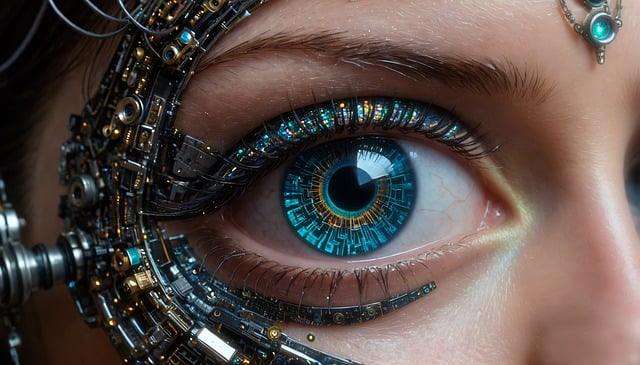
With the rise of augmented reality (AR) and virtual reality (VR), wearables like AR glasses and VR headsets are also changing the way we experience digital content, work, and socialize. These innovations promise to create immersive, interactive environments, offering users new ways to engage with the world around them.
Conclusion
Wearable technology has had a transformative impact on everyday life, offering benefits across health, fitness, communication, safety, productivity, and entertainment. By seamlessly integrating into our routines, wearables provide personalized, real-time information that empowers users to make better decisions and improve their overall quality of life. As the technology continues to evolve, we can expect even greater innovations that will further enhance the ways we live, work, and connect. Wearable technology is not just a trend—it is a fundamental shift in how we interact with the world around us.

You must be logged in to post a comment.