

The Hidden Loneliness Epidemic Among Older Adults
Introduction
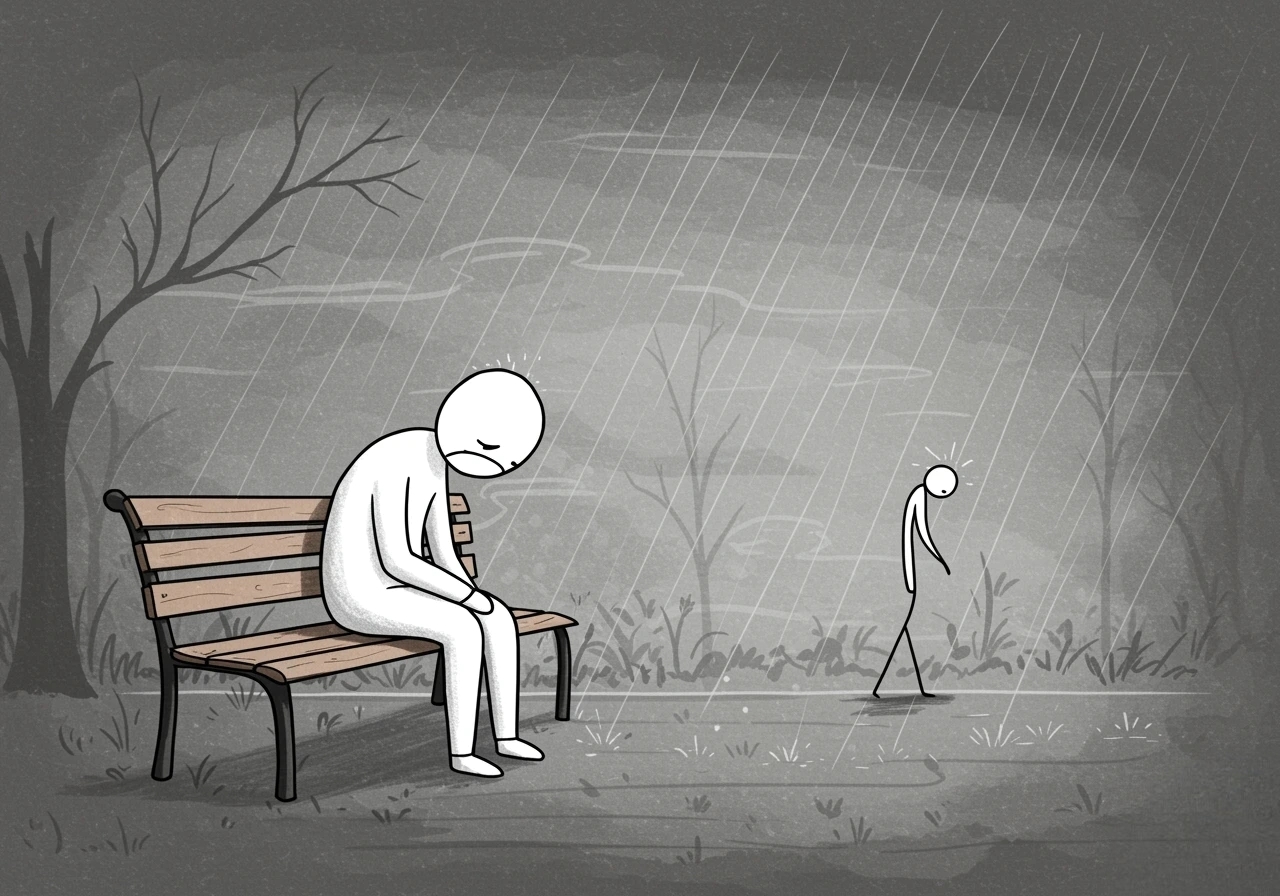
Around the world, millions of older adults are quietly facing a crisis that often goes unnoticed: loneliness. While aging is often associated with wisdom, experience, and retirement freedom, the reality for many seniors is far more complicated. As families move away, friends pass on, and social circles shrink, a growing number of older adults find themselves living in deep social isolation.
Researchers and health experts are increasingly warning that loneliness among older adults is not just an emotional issue—it is a major public health concern. Studies suggest that chronic loneliness can have effects on physical health comparable to smoking, obesity, or lack of exercise.
The problem has become so widespread that experts are calling it a “loneliness epidemic.” With aging populations growing rapidly across the globe, understanding the causes, consequences, and solutions to senior loneliness has become more urgent than ever.
This article explores the hidden loneliness epidemic among older adults, the science behind social isolation, its impact on health, and what individuals and societies can do to address this growing challenge.
Understanding Loneliness in Older Adults
What Is Loneliness?
Loneliness is often misunderstood. It does not simply mean being alone. Instead, loneliness refers to the feeling of being socially disconnected or emotionally unsupported, even when other people are around.
An older adult may:
Live alone and feel lonely
Live with family but still feel isolated
Have friends but lack meaningful emotional connection
In simple terms, loneliness is the gap between the social relationships someone wants and what they actually have.
The Difference Between Loneliness and Social Isolation
Although the terms are often used together, they are slightly different.
Social Isolation
Social isolation refers to objective separation from others. This may include:

Living alone
Rarely interacting with others
Limited participation in social activities
Loneliness
Loneliness is the emotional feeling of disconnection, regardless of the number of people around.
Someone can be socially active yet still feel lonely.
Why Loneliness Among Seniors Is Increasing
Aging Populations Around the World
The global population is aging rapidly. Advances in healthcare and improved living conditions mean people are living longer than ever before.
As a result:
The number of people over age 65 is rising dramatically.
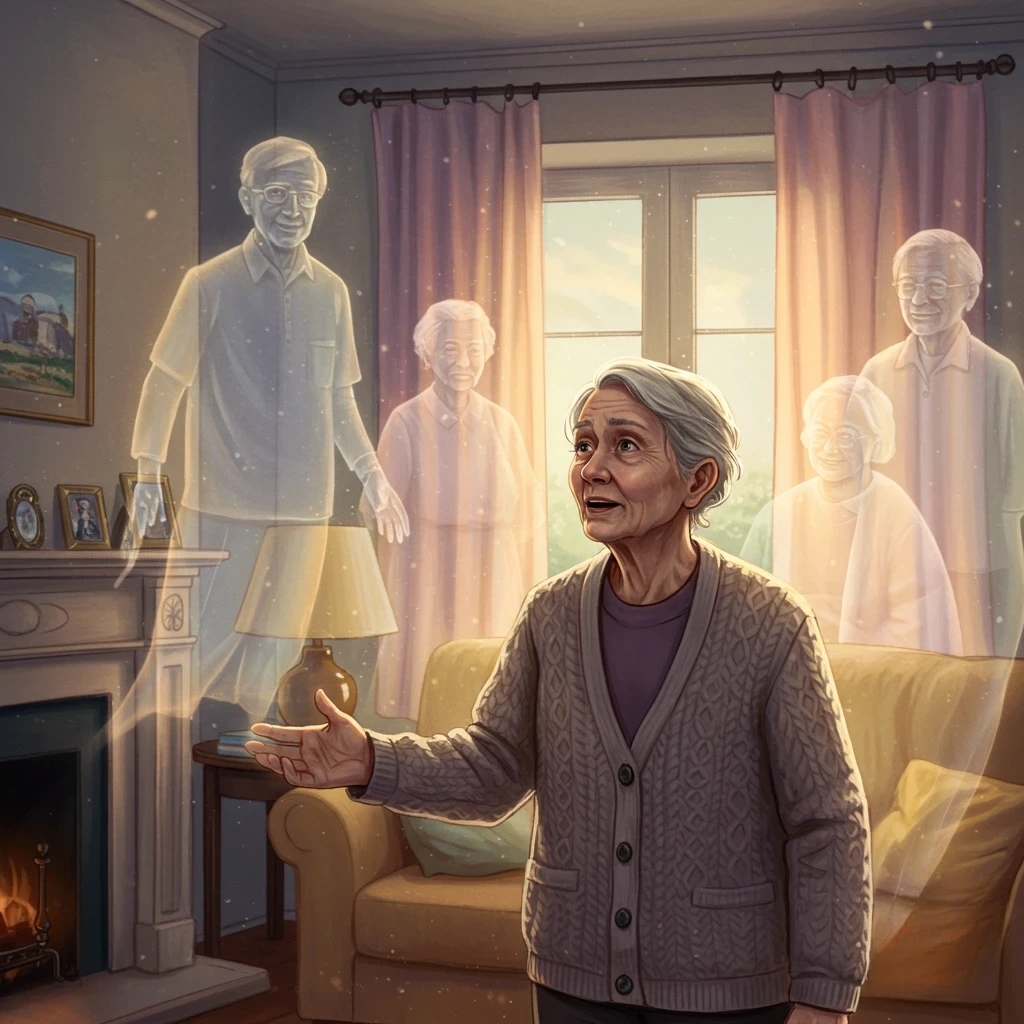
Many seniors are outliving spouses and close friends.
More older adults are living independently.
This demographic shift has increased the risk of widespread loneliness among seniors.
Smaller Families and Changing Social Structures
In the past, extended families often lived together or close by. Older adults were surrounded by children, grandchildren, and relatives.
Today, social structures have changed significantly.
Modern trends include:
Smaller families
Increased divorce rates
Migration for work
Urban lifestyles
These changes mean older adults are less likely to live with family members, increasing the risk of isolation.
Retirement and Loss of Daily Social Interaction
For many people, work provides:
Daily social contact
A sense of purpose
Structured routines
When people retire, these social connections often disappear.
Without regular interaction with coworkers or professional networks, some retirees suddenly find themselves with much less social engagement.
The Loss of Loved Ones
Aging often brings painful losses.
Older adults frequently experience the death of:
Spouses
Friends
Siblings
Neighbors
These losses can shrink social networks dramatically and leave individuals feeling emotionally disconnected.
The Hidden Health Risks of Loneliness
Loneliness and Physical Health
Loneliness is not just emotionally painful—it can also harm the body.
Research has linked chronic loneliness with:
Increased risk of heart disease
Higher blood pressure
Weakened immune systems
Increased inflammation
Greater risk of stroke
Some studies suggest loneliness can increase the risk of premature death by as much as 26–32 percent.
Mental Health Consequences
Loneliness can have serious effects on mental health.
Common psychological impacts include:
Depression
Anxiety
Low self-esteem
Feelings of worthlessness
Sleep problems
For older adults already dealing with aging challenges, loneliness can intensify emotional struggles.
Loneliness and Cognitive Decline
Research has also found links between loneliness and declining brain health.
Older adults who experience chronic loneliness may have higher risks of:
Memory problems
Reduced cognitive function
Dementia
Social interaction stimulates the brain. When those interactions disappear, mental stimulation may decline as well.
Why Senior Loneliness Often Goes Unnoticed
Many Older Adults Do Not Talk About It
Loneliness can be deeply personal and difficult to admit.
Some seniors feel embarrassed to talk about it because they may believe:
It makes them appear weak
Others will not understand
Their feelings are a burden to others
As a result, many suffer silently.
Society Often Overlooks Emotional Needs of Seniors
Modern culture often emphasizes youth, productivity, and fast-paced lifestyles.
Older adults may feel invisible or overlooked, especially if they are no longer part of the workforce.
This lack of attention can worsen feelings of isolation.
Family Members May Not Recognize the Signs
Loneliness is not always obvious.
Some older adults hide their feelings or try to appear independent.
Warning signs may include:
Withdrawal from social activities
Reduced communication with friends or family
Loss of interest in hobbies
Changes in mood
Declining health
Because these signs can overlap with normal aging, they are sometimes ignored.
Technology: A Double-Edged Sword
Digital Tools That Can Reduce Isolation
Technology has created new ways for older adults to stay connected.
Examples include:
Video calls with family members
Social media communities
Online hobby groups
Virtual learning platforms
These tools can help seniors maintain relationships even when distance is a barrier.
The Digital Divide
However, not all seniors are comfortable with technology.
Barriers include:
Lack of digital skills
Limited access to devices
Concerns about online safety
Difficulty using complex apps
Without support, many older adults remain excluded from these digital social spaces.

Cultural and Geographic Differences
Loneliness in Urban vs Rural Areas
Loneliness among older adults can vary depending on where they live.
Urban Areas
Cities offer many services and activities, but they can also feel anonymous and disconnected.
Older adults in cities may:
Live far from family
Feel surrounded by strangers
Struggle with mobility in crowded environments
Rural Areas
Rural communities may offer strong relationships, but they also face challenges such as:
Limited transportation
Fewer healthcare services
Smaller social networks
Both environments can contribute to loneliness in different ways.
The Impact of the Pandemic
The global pandemic dramatically increased loneliness among older adults.
Many seniors experienced:
Prolonged isolation at home
Reduced family visits
Cancelled social events
Fear of infection
For some older adults, these disruptions lasted months or even years.
Even after restrictions ended, many seniors continued to feel socially disconnected.
Warning Signs of Loneliness in Older Adults
Recognizing loneliness early can help families provide support.
Common warning signs include:
Spending most of the day alone
Lack of phone calls or visits
Reduced participation in hobbies
Sudden weight loss or appetite changes
Neglect of personal care
Frequent expressions of sadness
These signals should not be ignored.
Strategies to Reduce Loneliness Among Seniors
Strengthening Family Connections
Family relationships are one of the strongest protections against loneliness.
Simple actions can make a significant difference:
Regular phone calls
Weekly visits
Shared meals
Family gatherings
Even short conversations can help seniors feel valued and connected.
Encouraging Community Engagement
Community programs provide opportunities for older adults to meet others and build friendships.
Examples include:
Senior activity centers
Volunteer groups
Faith-based communities
Educational classes
Fitness groups for seniors
Social participation helps maintain emotional and physical health.
Promoting Intergenerational Relationships
Interactions between younger and older generations can be deeply rewarding.
Benefits include:
For older adults:
Reduced loneliness
Increased sense of purpose
For younger people:
Learning life wisdom
Developing empathy and respect
Programs that connect seniors with students or young volunteers are increasingly popular.
Helping Seniors Use Technology
Teaching older adults how to use digital tools can greatly improve social connection.
Useful skills include:
Video calling apps
Messaging platforms
Online interest groups
Virtual events
With proper guidance, technology can become a powerful bridge to connection.
The Role of Healthcare Providers
Doctors and healthcare professionals are beginning to recognize loneliness as a serious health risk.
Some healthcare systems now screen older adults for loneliness during medical visits.
Healthcare providers can:
Recommend social programs
Connect patients with community services
Encourage physical and social activity
Addressing loneliness can improve both emotional and physical outcomes.
Government and Policy Solutions
Many governments are beginning to treat loneliness as a national issue.
Possible policy solutions include:
Funding senior community programs
Improving public transportation for seniors
Supporting social housing initiatives
Expanding mental health services
Some countries have even appointed Ministers of Loneliness to coordinate national strategies.
The Power of Purpose in Later Life
One of the most powerful ways to combat loneliness is helping older adults maintain a sense of purpose.
Purpose can come from many activities:
Volunteering
Mentoring younger people
Creative hobbies
Community leadership
Caring for pets
When seniors feel their lives still matter and contribute to society, loneliness often decreases.
What Individuals Can Do to Help
Everyone can play a role in addressing loneliness among older adults.
Simple actions include:
Checking on elderly neighbors
Calling older relatives regularly
Inviting seniors to social gatherings
Offering help with errands or transportation
Listening with patience and empathy
Small gestures can have a profound impact.
The Future of Aging and Social Connection
As populations continue to age, societies must rethink how they support older adults.
Future solutions may include:
Age-friendly cities
Smart homes that support independent living
Community living models
Technology designed specifically for seniors
The goal is to ensure that growing older does not mean growing isolated.
Conclusion
The hidden loneliness epidemic among older adults is one of the most significant yet overlooked social challenges of our time. While aging brings wisdom and experience, it can also bring shrinking social circles and emotional isolation.
Loneliness is not simply a personal struggle—it is a public health issue with serious consequences for mental, physical, and cognitive health.
However, solutions exist. Strong families, supportive communities, inclusive technology, and thoughtful public policies can all play a role in reducing loneliness among seniors.
Perhaps most importantly, society must begin to recognize the value of older adults and ensure they remain connected, respected, and included.
Because no one—no matter their age—should have to face life feeling alone.

You must be logged in to post a comment.