

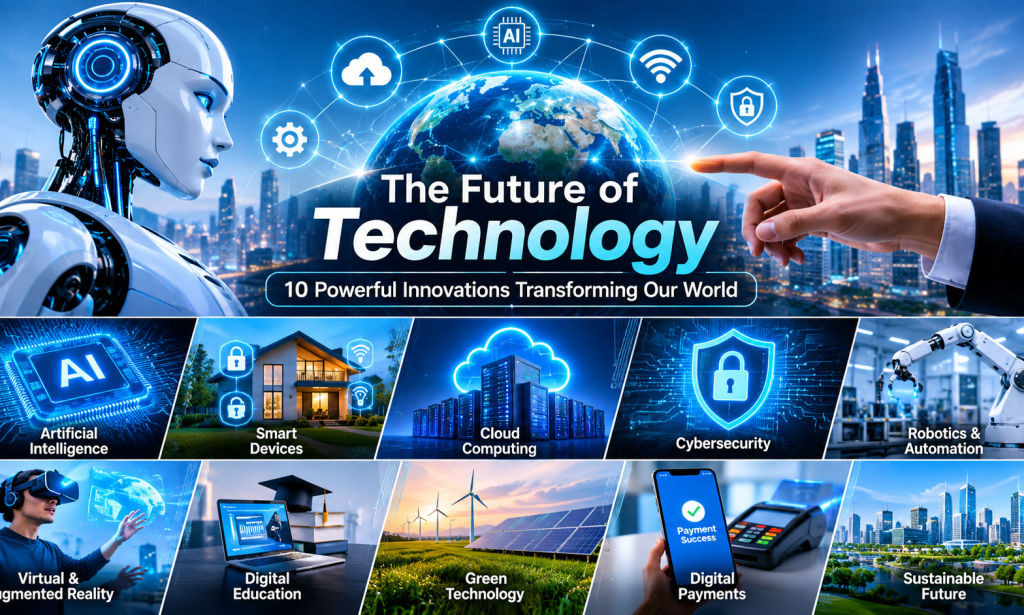
Technology is evolving faster than ever before. From artificial intelligence and smart devices to robotics and cloud computing, modern innovations are transforming almost every aspect of human life. The way we communicate, study, work, travel, and do business has changed significantly over the past decade.
Today, technology is not just a convenience; it has become an essential part of modern society. Businesses depend on digital systems, students use online learning platforms, and healthcare professionals benefit from advanced technological tools. As we move towards a more connected world, understanding emerging technologies has become more important than ever.
But what does the future of technology look like? Let's explore ten powerful innovations that are shaping the modern world.
1. Artificial Intelligence Is Transforming Everyday Life
Artificial Intelligence (AI) is one of the most significant technological developments of the modern era. It enables computer systems to perform tasks that traditionally require human intelligence, including analyzing information, recognizing patterns, understanding language, and generating content.
AI is already being used in various industries. Healthcare organizations use AI-powered systems to support medical research and analyze health information. Businesses use intelligent software to improve customer service, while students use AI tools to understand complex subjects.
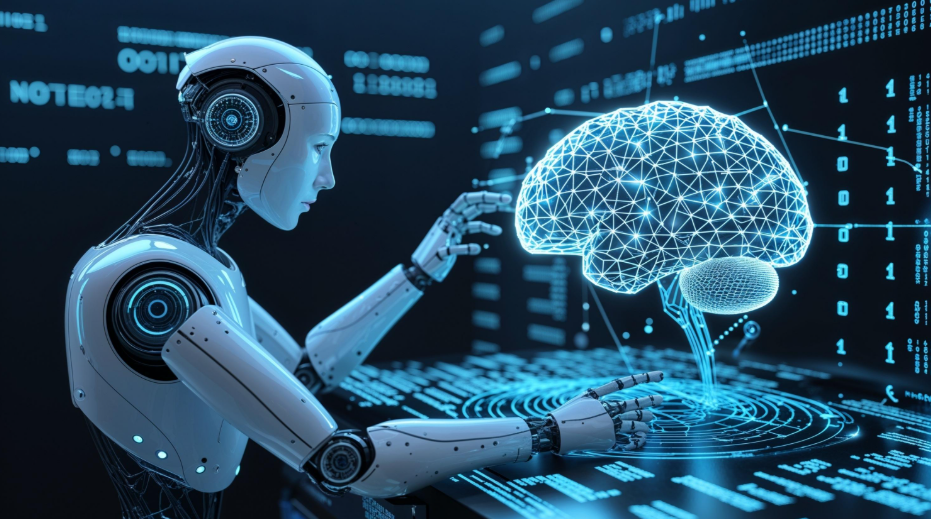
Virtual assistants, automated translation systems, and personalized recommendations are also examples of AI in everyday life.
As this technology continues to improve, it will create new opportunities while making efficiency and productivity increasingly important.
2. Smart Devices Are Creating Connected Homes
The Internet of Things (IoT) is another innovation changing the way people interact with technology. It refers to physical devices connected to the internet that can collect, exchange, and process information.
Smart televisions, security cameras, smart lighting systems, and connected home appliances are common examples of IoT technology.

These devices allow users to control different aspects of their homes through smartphones and other digital interfaces.
Beyond homes, IoT is also being used in agriculture, transportation, manufacturing, and healthcare. For example, smart sensors can help farmers monitor soil conditions and use resources more efficiently.
In the future, connected devices may make cities, workplaces, and homes more intelligent and efficient.
3. Cloud Computing Is Changing the Digital World
Cloud computing has transformed how individuals and organizations store, access, and manage information.
Instead of depending entirely on physical storage devices or local computer systems, users can access data and software through internet-based services.
Popular cloud platforms allow businesses to manage their operations, collaborate with employees, and store important information remotely.

One major advantage of cloud computing is flexibility. Employees can access authorized files from different locations, making remote work and collaboration easier.
It also helps businesses manage technology costs and scale their digital operations according to their requirements.
As online services continue to expand, cloud computing will remain an important foundation of the digital economy.
4. Cybersecurity Is More Important Than Ever
As people become increasingly dependent on digital platforms, protecting online information has become a major priority.
Cybersecurity refers to the technologies and practices used to protect computers, networks, applications, and personal information from digital threats.
Online fraud, phishing attacks, identity theft, and data breaches are among the challenges faced by internet users.
Individuals and organizations can improve their digital security by using strong passwords, enabling two-factor authentication, installing software updates, and avoiding suspicious links.
Businesses must also invest in security awareness and reliable protection systems.

In the future, cybersecurity will become even more important as financial services, healthcare systems, and other essential activities become increasingly digital.
5. Robotics and Automation Are Improving Industries
Robotics and automation are changing the way industries operate. Modern robots can perform repetitive tasks, assist workers, and improve consistency in manufacturing processes.
Factories use automated systems for assembly, packaging, quality inspection, and material handling.
Robotics is also becoming increasingly useful in healthcare, agriculture, logistics, and scientific research.
For example, robotic technologies can assist healthcare professionals during certain procedures, while agricultural robots can support monitoring and harvesting activities.
Although automation may change some traditional job roles, it also creates demand for new skills in programming, engineering, maintenance, and technology management.
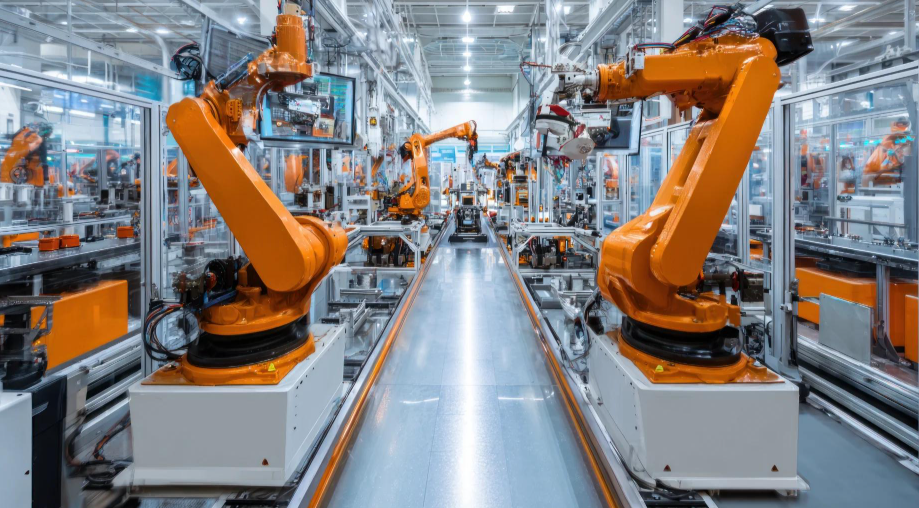
The future of work will require people to adapt and develop skills that complement technological progress.
6. Virtual Reality and Augmented Reality Are Creating New Experiences
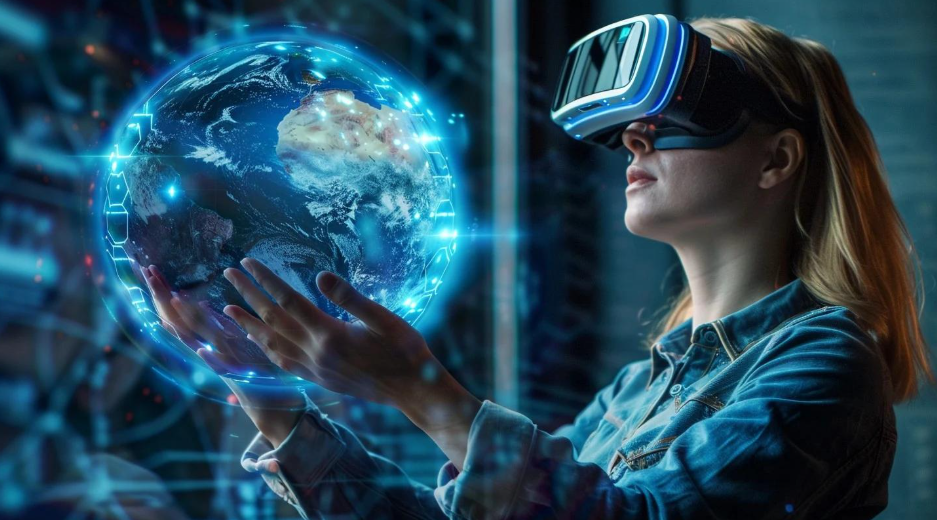
Virtual Reality (VR) and Augmented Reality (AR) are changing how people interact with digital information.
Virtual Reality creates computer-generated environments that users can explore through specialized devices. Augmented Reality, on the other hand, adds digital elements to the real-world environment.
These technologies are being used in gaming, education, architecture, healthcare, and professional training.
For example, students can explore virtual learning environments, while architects can present digital models of buildings before construction begins.
Businesses can also use AR to demonstrate products and improve customer experiences.
As hardware and software become more advanced, VR and AR may become increasingly common in everyday activities.
7. Digital Education Is Making Learning More Accessible
Technology has completely changed the traditional education system.
Students no longer depend exclusively on physical classrooms and printed textbooks. Online courses, educational applications, digital libraries, and video lessons provide access to information from almost anywhere.
Digital learning platforms allow students to study at their own pace and explore subjects beyond their academic curriculum.
Technology also creates opportunities for people who want to develop professional skills, learn programming, improve communication, or explore new career options.

However, responsible internet use and access to reliable educational resources remain important challenges.
In the coming years, digital education is expected to play an even greater role in preparing individuals for a technology-driven world.
8. Green Technology Is Supporting a Sustainable Future
Technology is not only about making life faster and easier; it can also help protect the environment.
Green technology focuses on developing solutions that reduce environmental damage and support sustainable development.
Solar energy, wind power, electric vehicles, energy-efficient buildings, and smart electricity systems are important examples.

These innovations can help reduce dependence on traditional energy sources and improve resource management.
Businesses and governments are increasingly exploring sustainable technologies to address environmental challenges.
The development of cleaner energy systems and more efficient infrastructure will be essential for building a sustainable future.
9. Digital Payments Are Transforming Financial Services
Financial technology, commonly known as FinTech, has changed how people manage money and make payments.
Mobile banking applications, digital wallets, online payment systems, and contactless transactions have made financial services more accessible.
People can now transfer money, pay bills, and manage accounts through digital platforms without always visiting a physical bank.

These services also create opportunities for businesses by making online transactions easier.
However, users should remain careful about financial scams, suspicious applications, and unauthorized access to their accounts.
As digital financial services continue to develop, security and customer trust will remain essential.
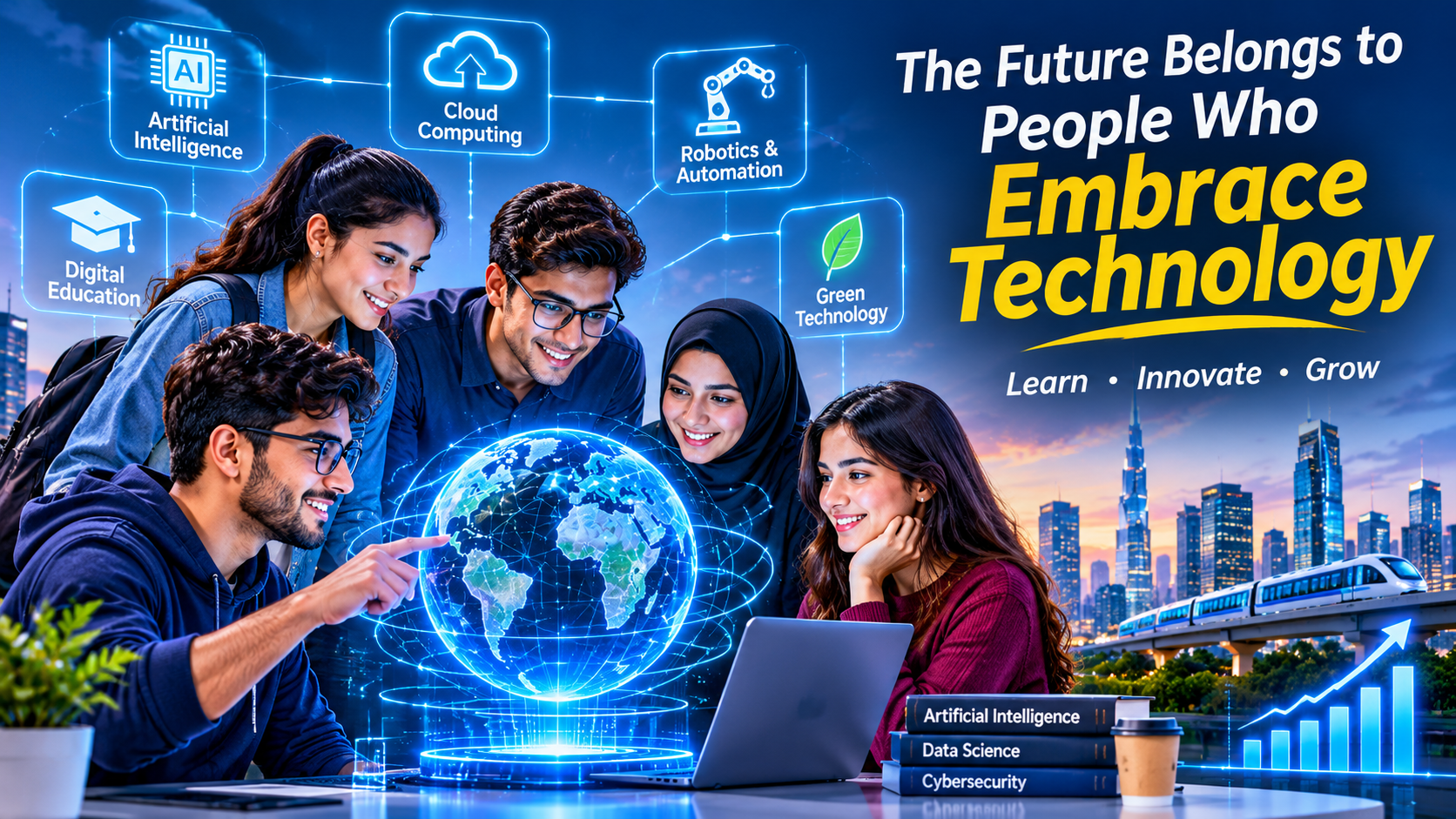
10. The Future Belongs to People Who Embrace Technology
The rapid development of technology is creating a world full of opportunities and challenges.
Artificial Intelligence, automation, cloud computing, robotics, and digital communication are changing the skills required in modern workplaces.
People who continuously learn and adapt will be better prepared for future opportunities.
Students can explore digital skills, professionals can improve their technical knowledge, and entrepreneurs can use modern tools to develop innovative businesses.
At the same time, society must address important issues such as privacy, digital inequality, cybersecurity, and responsible AI development.
Technology should be developed and used in ways that improve human life rather than create unnecessary risks.
Conclusion
Technology is shaping the future of humanity in ways that were difficult to imagine just a few decades ago. From intelligent software and connected devices to renewable energy and digital education, innovation is opening new possibilities across almost every industry.
However, technological progress is not only about creating advanced machines or developing powerful software. It is also about using innovation responsibly to solve real-world problems and improve people's lives.
The individuals and organizations that remain curious, continue learning, and adapt to changing technologies will be better positioned to succeed in the future.
The future is not simply something we wait for; it is something we build through knowledge, innovation, and responsible use of technology.







Comments 0
Sign in to join the conversation.
No comments yet. Be the first to say something.